
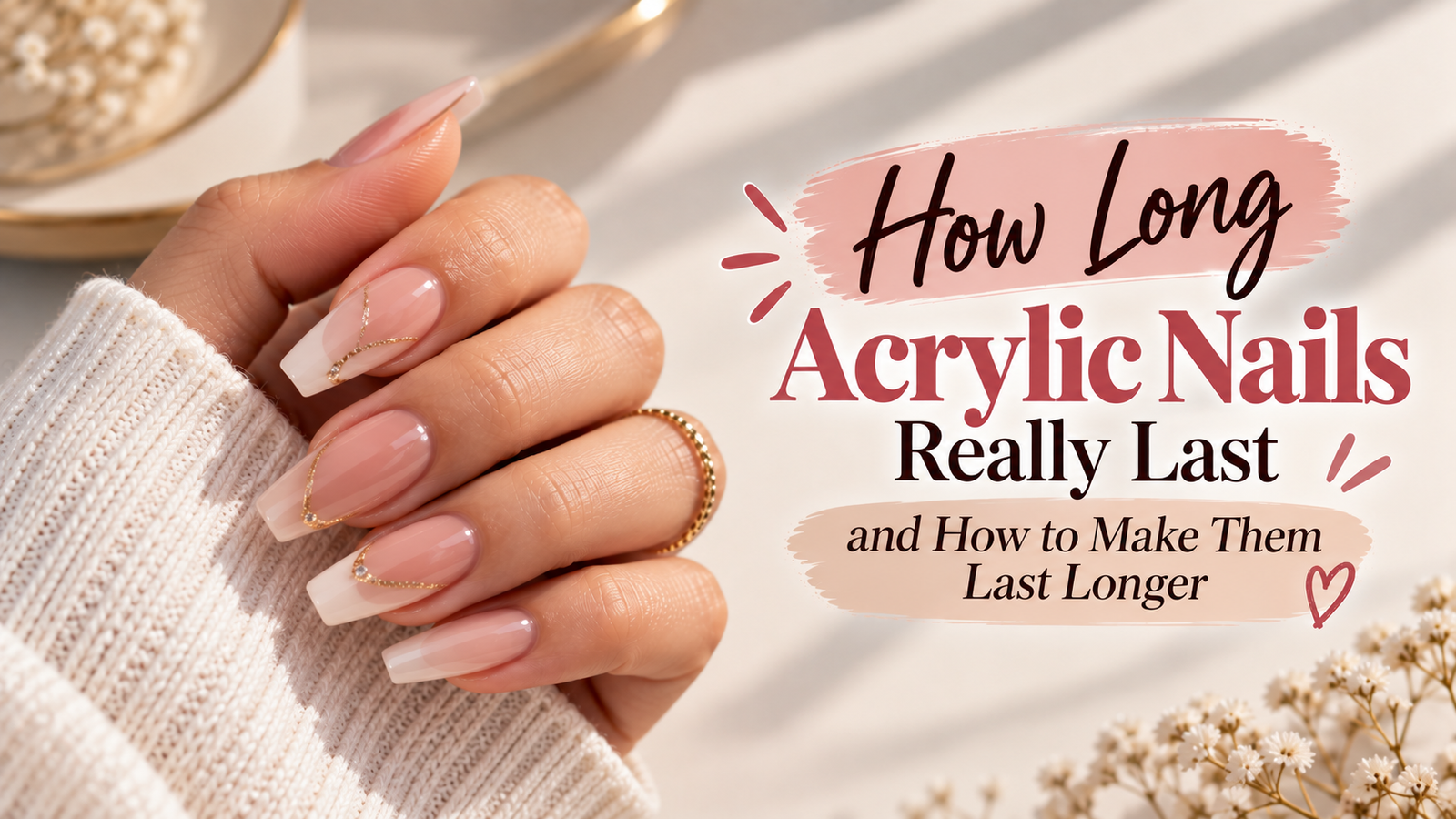
Acrylic nails are popular because they can give your hands a polished look while adding length and style. For many people, a set can stay in good condition for around two to three weeks before it needs a fill. However, the exact time can be different for everyone.
Your natural nail growth, daily routine, nail length, application quality, water exposure, and aftercare can all affect how long acrylic nails last. Small habits can also make a big difference in keeping them looking fresh.
In this article, we have covered 27 helpful facts about how long acrylic nails really last, what can shorten their lifespan, and simple ways to help them last longer.
1. Most Acrylic Nails Last Two to Three Weeks
For many people, acrylic nails stay in good condition for about two to three weeks before a fill becomes necessary. During this time, your natural nails continue growing underneath the acrylic. This creates a visible space between the acrylic and your cuticle. The acrylic may still look strong, but the growing gap can make the manicure look less fresh.
Regular fills help cover the new growth and keep the structure of the acrylic balanced. Waiting too long can also make the nails more difficult to maintain. Your lifestyle and natural nail growth can change this timeline, so two to three weeks is a general guide rather than a fixed rule.
Benefits include:
- Consistent appearance.
- Better nail balance.
- Reduced lifting.
- Fresh-looking manicure.
Try scheduling your fill before the natural growth becomes too noticeable. This can make maintenance easier and help you avoid bigger problems later.
2. Natural Nail Growth Affects Longevity
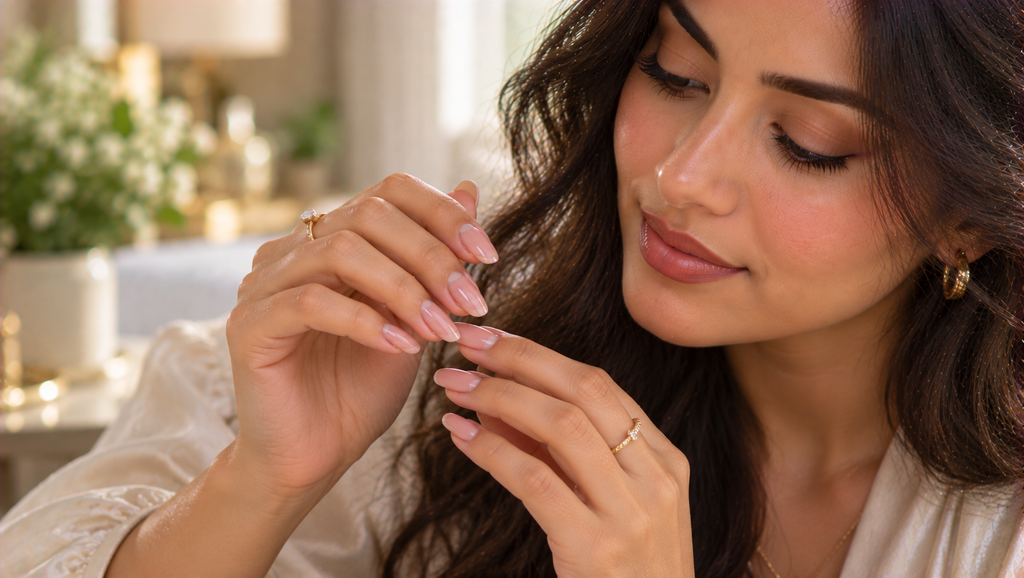
Everyone’s nails grow at a different speed, and this can have a direct effect on acrylic nail maintenance. Some people notice a large gap near the cuticle after only a couple of weeks, while others may not see much growth during the same period.
Faster nail growth does not necessarily mean your acrylics are failing. It simply means more of your natural nail becomes visible underneath the enhancement. As this happens, the balance of the acrylic can also change.
Benefits include:
- Better appointment planning.
- Realistic expectations.
- Improved upkeep.
- Easier maintenance.
Pay attention to how quickly your natural nails grow after each acrylic appointment. Once you understand your personal growth pattern, you can plan fills at a time that works better for you instead of waiting until the nails look heavily grown out.
3. Daily Activities Matter
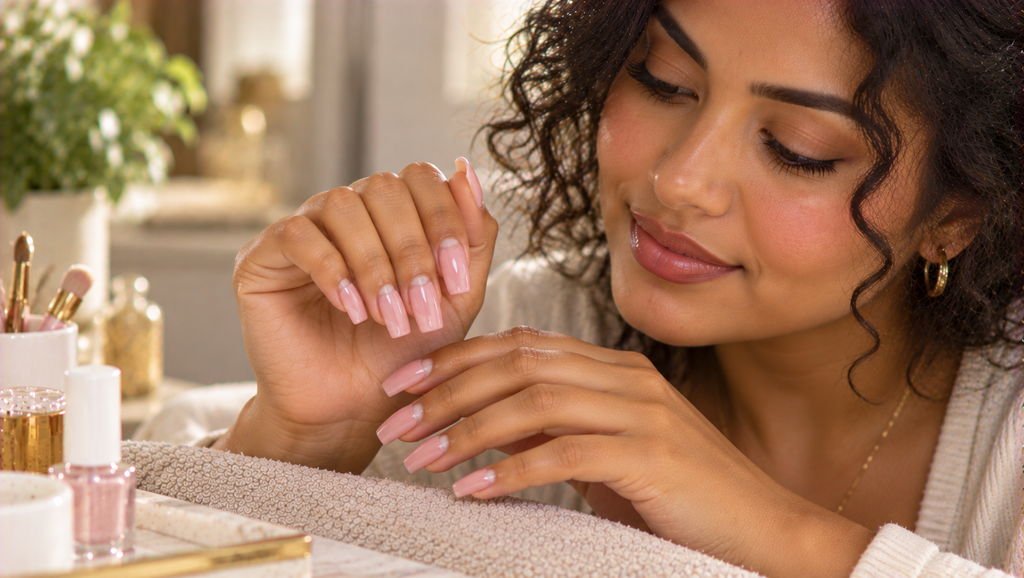
Your everyday activities can have a major effect on how long acrylic nails last. Someone who works mostly at a desk may experience less wear than someone who works with their hands throughout the day. Cleaning, cooking, lifting objects, exercising, and other activities can all place pressure on acrylic nails.
Using your nails to scratch, open packages, or handle objects can also create unnecessary stress. Repeated pressure may lead to cracks, chips, or lifting.
Benefits include:
- Longer wear time.
- Reduced damage.
- Better appearance.
- Improved durability.
Try to think about how you use your hands during the day. Whenever possible, use your fingertips or proper tools instead of your nail tips. These small changes can help reduce unnecessary pressure and keep your acrylic manicure looking better for longer.
4. Proper Application Makes a Difference
The way acrylic nails are applied can have a major effect on how long they last. Proper preparation helps the acrylic adhere correctly to the natural nail. The product also needs to be placed and shaped properly to create a balanced structure.
Even good-quality acrylic products may not give long-lasting results if the application is rushed. Poor preparation or incorrect product placement can contribute to lifting and other problems.
Benefits include:
- Better adhesion.
- Improved durability.
- Reduced lifting.
- Longer wear.
A professional and careful application gives your manicure a stronger starting point. If your acrylic nails regularly lift or break much sooner than expected, it may be useful to discuss the application process with your nail technician. Good application and proper aftercare work together to improve the overall result.
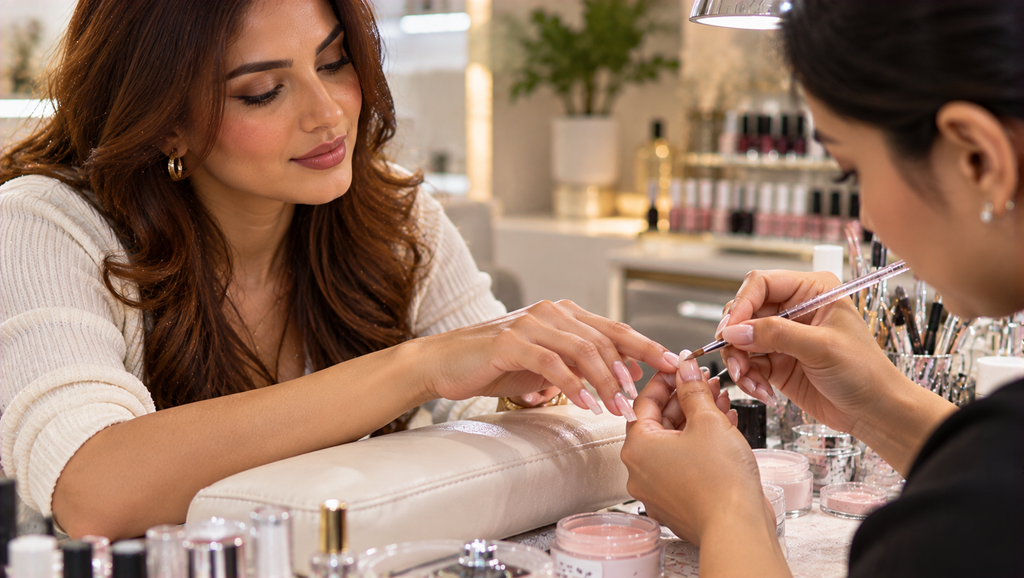
5. Water Exposure Can Affect Acrylic Nails
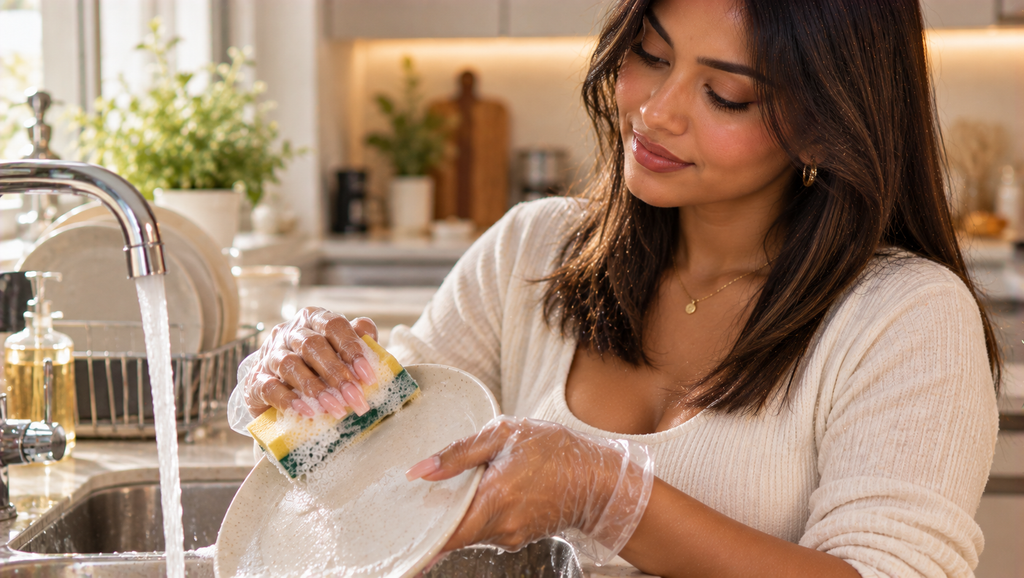
Regular hand washing is completely normal, but long periods of water exposure can place additional stress on acrylic nails. Washing dishes, soaking your hands, or spending a lot of time in water may sometimes contribute to lifting.
Water exposure can also make the skin around your nails feel dry, especially when combined with cleaning products. This can affect how comfortable and polished your hands look.
Benefits include:
- Better adhesion.
- Longer wear.
- Reduced lifting.
- Easier maintenance.
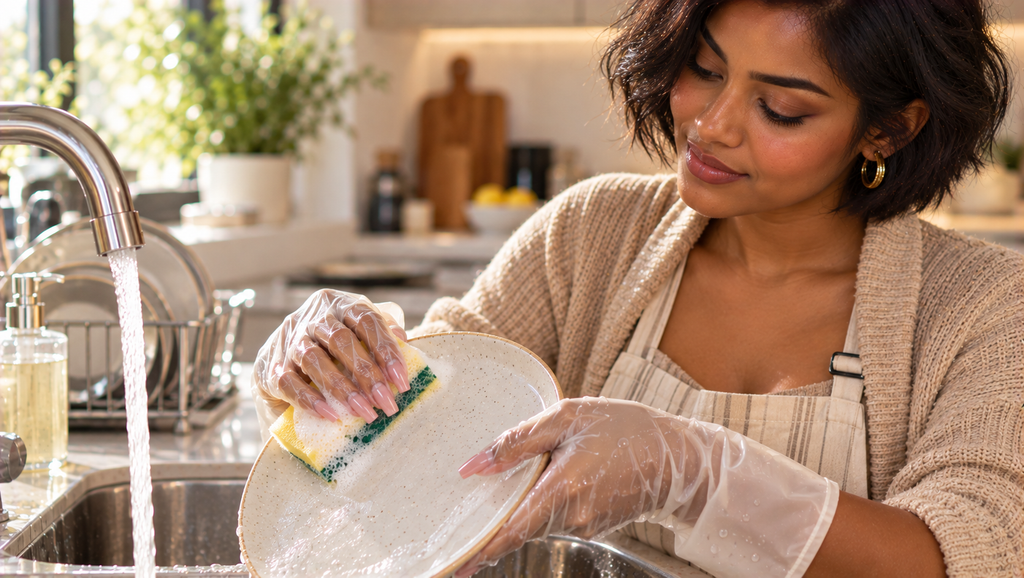
You do not need to avoid water completely. Instead, try protecting your hands during tasks that involve prolonged exposure. Wearing household gloves while washing dishes or cleaning can help keep your acrylic nails away from excess water and cleaning products. Afterward, apply hand cream or cuticle oil to keep the surrounding skin moisturized.
6. Nail Length Influences Durability
The length of your acrylic nails can affect how much stress they experience during everyday activities. Very long nails have more surface area and may hit objects more easily. This can increase the chance of cracks, breaks, or lifting.
Shorter or medium-length acrylic nails can be easier to manage for people who work with their hands or have busy daily routines. This does not mean long nails cannot last. It simply means the extra length may require more care.
Benefits include:
- Better comfort.
- Reduced breakage.
- Easier maintenance.
- Improved durability.
Before choosing your next acrylic length, think about your normal routine. If you type often, clean frequently, exercise, or work with your hands, a practical length may be easier to maintain. Choosing a length that fits your lifestyle can help you enjoy your manicure without constantly worrying about breakage.

7. Cuticle Care Supports Longevity
Cuticle care may seem like a small part of acrylic nail maintenance, but it can make your hands look cleaner and more cared for. The skin around the nails can become dry, especially after frequent hand washing or exposure to cleaning products.
Cuticle oil helps add moisture to this area and can make the surrounding skin look softer. It also makes the overall manicure appear more polished as the natural nail grows.
Benefits include:
- Better hydration.
- Healthier-looking cuticles.
- Improved comfort.
- Cleaner appearance.
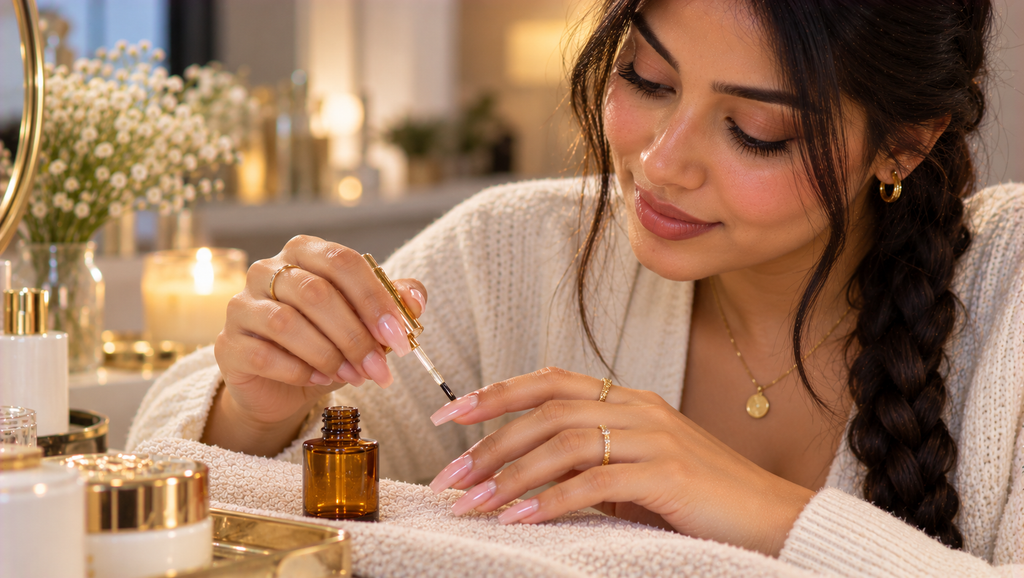
Try making cuticle oil part of your evening routine. Apply a small amount around each nail and gently massage it into the skin. You can also use hand cream afterward if your hands feel dry. Regular care is easier than waiting until your cuticles become extremely dry or rough.
8. Acrylic Nails Need Regular Fills
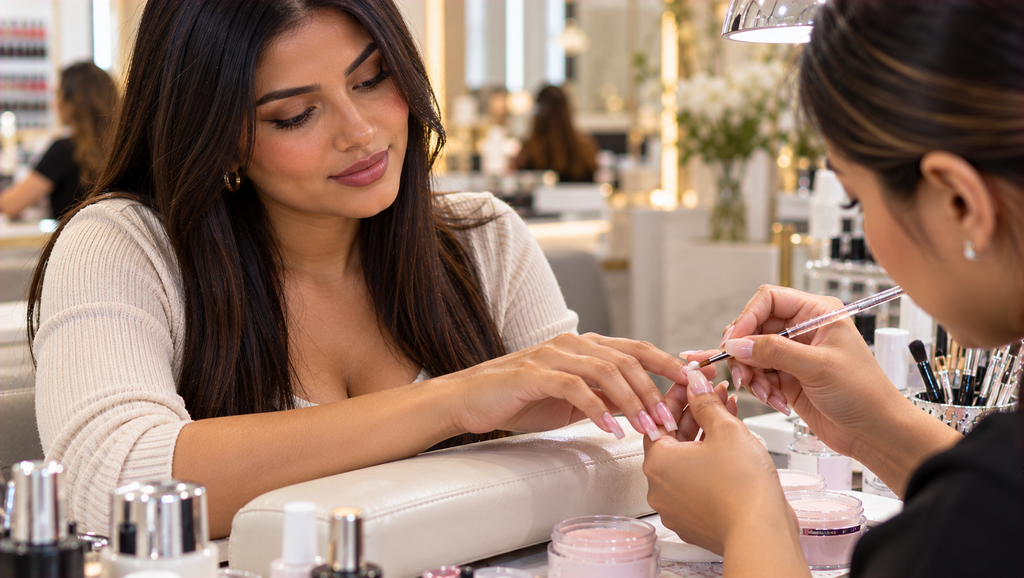
Acrylic nails grow out as your natural nails continue growing. A fill helps cover the new growth and restore the balance of the enhancement. Without regular maintenance, the acrylic can become less balanced as more of the natural nail appears.
Waiting too long may also increase the chance of lifting or breakage. Regular fills can help keep the manicure looking neat and make it easier to correct small issues.
Benefits include:
- Better balance.
- Improved appearance.
- Reduced lifting.
- Longer wear.
The right fill schedule depends on how quickly your natural nails grow. Many people need maintenance around the two-to-three-week point. Instead of waiting until the acrylic looks very grown out, try planning your next appointment in advance. Consistent maintenance can help you avoid larger problems and keep the manicure looking fresh.
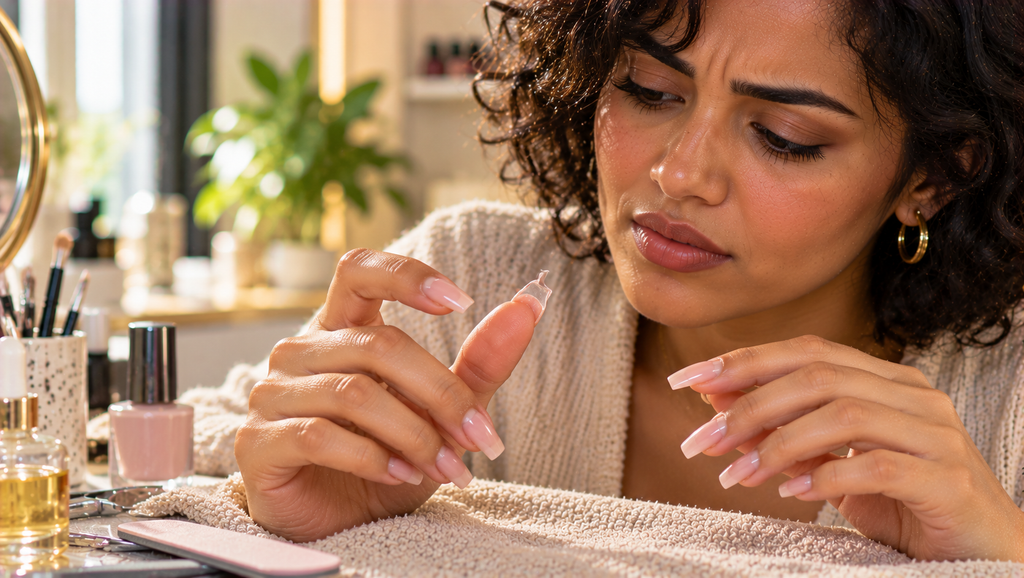
9. Picking at Acrylic Nails Causes Damage
Picking at acrylic nails can quickly turn a small problem into a larger one. If you notice a tiny lifted edge, you may feel tempted to pull it or peel it away. However, this can also pull on the natural nail underneath.
Repeated picking can weaken the acrylic and may lead to more lifting or breakage. It can also leave the natural nail looking rough after the acrylic is eventually removed.
Benefits include:
- Healthier-looking nails.
- Less lifting.
- Better appearance.
- Reduced damage.
If you notice a loose or lifted section, avoid pulling it with your fingers. Instead, have it checked by a nail professional when possible. Keeping your hands away from the lifted area can help prevent the problem from getting worse.
10. Quality Products Often Last Longer
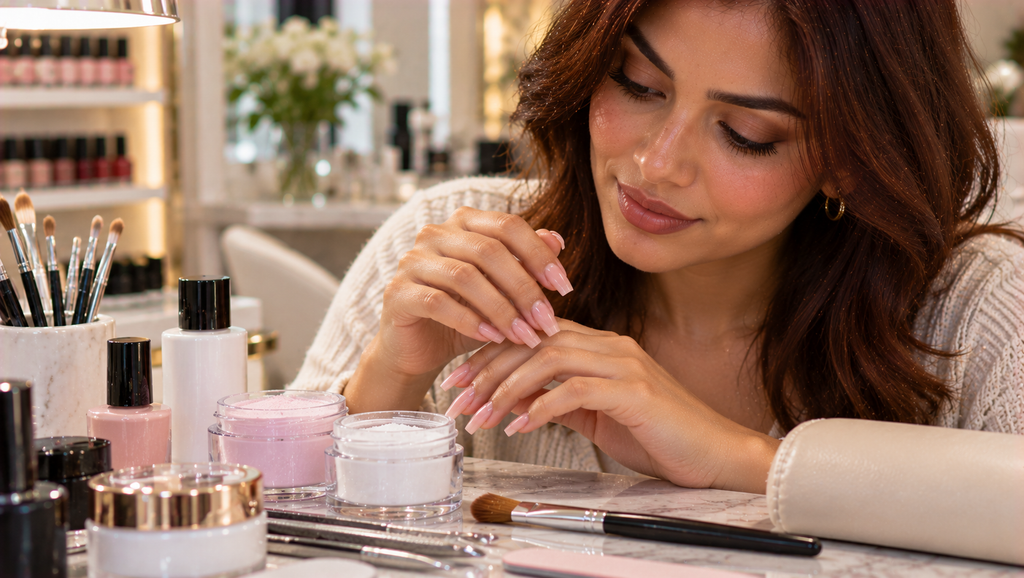
The products used during an acrylic manicure can affect its overall performance. Professional-quality materials are often designed to provide consistent results when they are applied correctly.
However, expensive products do not automatically guarantee a long-lasting manicure. Product quality works together with proper preparation, application, nail condition, and aftercare.
Benefits include:
- Better durability.
- Improved appearance.
- More consistent results.
- Greater reliability.
If you regularly experience early lifting or breakage, consider discussing the products being used with your nail technician. A good application combined with suitable products can create a stronger foundation for your manicure. Proper aftercare is still important because even quality acrylics can be damaged by rough handling or poor maintenance.
11. Protect Nails During Household Chores
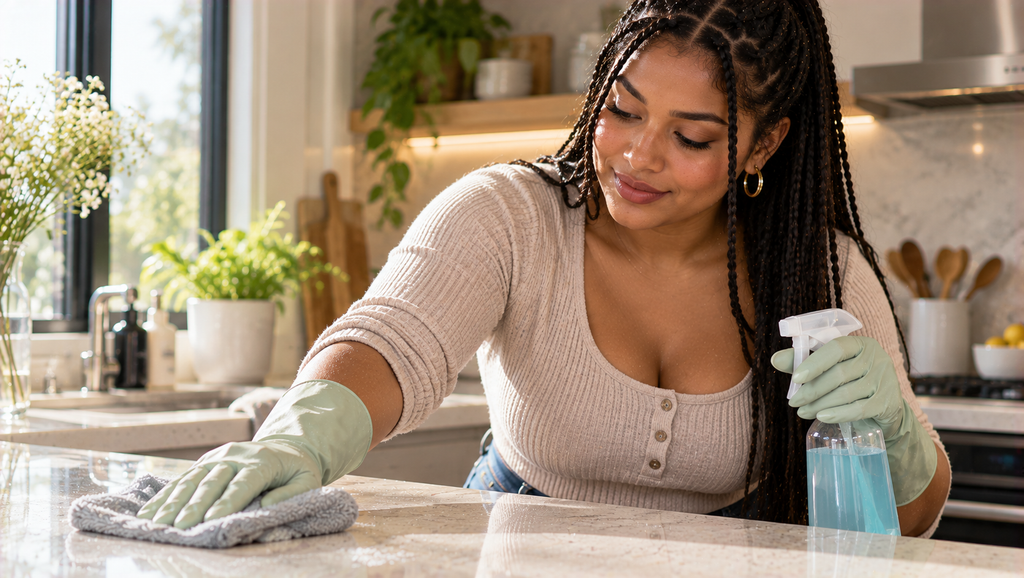
Household chores can put more stress on acrylic nails than you may realize. Washing dishes, scrubbing surfaces, using cleaning products, and handling hot water can expose your nails to repeated moisture and pressure.
Cleaning products can also dry out the skin around your nails. Repeated scrubbing can place additional force on the tips of the acrylic.
Benefits include:
- Reduced lifting.
- Better durability.
- Healthier-looking cuticles.
- Longer wear time.
One of the easiest ways to protect your acrylic nails during chores is to wear household gloves. Gloves create a barrier between your nails, water, and cleaning products. They can also help protect your hands from dryness. This simple habit takes very little effort but can help your manicure stay in better condition.
12. Avoid Using Nails as Tools
Your acrylic nails may feel strong, but they are not designed to replace everyday tools. Using them to open cans, peel labels, scratch surfaces, or pry open packages places unnecessary pressure on the acrylic.
Even one strong movement can cause a crack or break. Repeated smaller movements can also weaken the nail over time.
Benefits include:
- Less breakage.
- Better nail protection.
- Improved durability.
- Longer-lasting results.
Whenever you need to open or move something, use the correct tool instead of your nails. Scissors, package openers, tweezers, or other household tools can take the pressure away from your manicure. This habit is especially important if you wear long acrylic nails because longer tips can experience more stress.
13. Daily Moisture Helps Acrylic Nails Last Longer
Keeping your hands and cuticles moisturized can help your manicure look healthier and more polished. Dry skin around the nails can become rough and uncomfortable, especially if you frequently wash your hands or use cleaning products.
A simple combination of hand cream and cuticle oil can keep the area feeling softer. It also helps maintain a neat appearance as your acrylic nails grow.
Benefits include:
- Better hydration.
- Softer cuticles.
- Improved appearance.
- Healthier-looking nail area.
Try applying cuticle oil around your nails every evening. Follow it with hand cream if your skin needs extra moisture. Making this a daily habit is easier than trying to correct severe dryness later. Consistent hydration can help your hands continue looking cared for throughout the life of your acrylic manicure.

14. Temperature Changes Can Affect Adhesion
Extreme changes in temperature may place additional stress on some nail products. Moving repeatedly between very hot and very cold conditions can sometimes affect product performance.
Normal temperature changes are part of everyday life and do not automatically mean your acrylic nails will lift. However, protecting your hands during extreme conditions can still be a useful part of general nail care.
Benefits include:
- Better product performance.
- Reduced stress.
- Improved durability.
- More consistent wear.
If you spend a lot of time outdoors in very cold or hot conditions, consider protecting your hands appropriately. Gloves can help during cold weather, while general hand protection can be useful in very hot environments. These habits also protect your skin and can make your hands more comfortable.

15. Professional Maintenance Improves Longevity
Regular professional maintenance can help acrylic nails remain balanced as your natural nails grow. During a fill appointment, the visible growth near the cuticle can be addressed and smaller issues can be checked.
Maintenance is also an opportunity to notice lifting, cracks, or other problems before they become more serious.
Benefits include:
- Better appearance.
- Reduced lifting.
- Improved balance.
- Longer wear time.
Try to maintain a consistent appointment schedule rather than waiting until your acrylic nails look extremely grown out. Your ideal schedule depends on how quickly your nails grow and how well the set is holding up. Regular maintenance can make your manicure easier to manage and help you avoid unnecessary repairs.
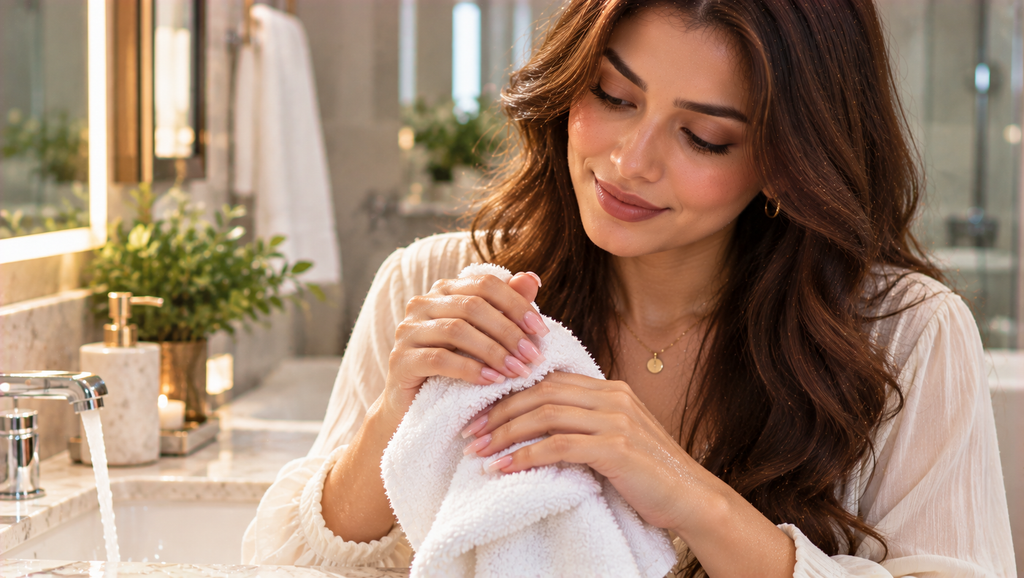
16. Nail Shape Can Influence Durability
The shape of your acrylic nails can affect how they handle daily activities. Some practical shapes may experience less stress than very dramatic or extreme shapes.
A shape that looks beautiful but makes everyday tasks difficult may also lead to more accidental bumps or breakage. Your lifestyle should therefore be part of the decision.
Benefits include:
- Better functionality.
- Improved comfort.
- Reduced breakage.
- Longer-lasting wear.
Think about what you do every day before choosing a shape. If you type frequently, work with your hands, or exercise often, a manageable shape may be easier to live with. You can still choose a stylish design while making sure the shape feels comfortable and practical.

17. Lifting Should Be Addressed Quickly
Small areas of lifting may seem harmless, but ignoring them can allow the problem to become larger. Once acrylic starts separating from the natural nail, touching or pulling at the area can make the lifting worse.
Moisture and debris can also get into areas where the product has separated. This is another reason not to ignore noticeable lifting.
Benefits include:
- Better nail protection.
- Reduced damage.
- Improved appearance.
- Easier maintenance.
If you notice lifting, avoid picking at it or trying to fix it with your fingers. Contact your nail technician when possible and have the area checked. Addressing small problems early can be easier than waiting until a larger section breaks or separates.

18. Sleep Habits Can Affect Nails
Your acrylic nails can experience pressure while you sleep. You may accidentally press them against a pillow, mattress, or another surface without realizing it. This is usually not a major issue for everyone, but repeated pressure can contribute to wear.
Longer acrylic nails may be more noticeable during sleep because the tips can catch against fabric or surfaces.
Benefits include:
- Reduced accidental damage.
- Better nail protection.
- Improved durability.
- More comfortable wear.
If you notice that your nails often feel damaged after sleeping, consider whether your nail length is comfortable for your routine. Keeping acrylic nails at a manageable length can reduce accidental pressure. Being aware of your sleeping position may also help protect the manicure.
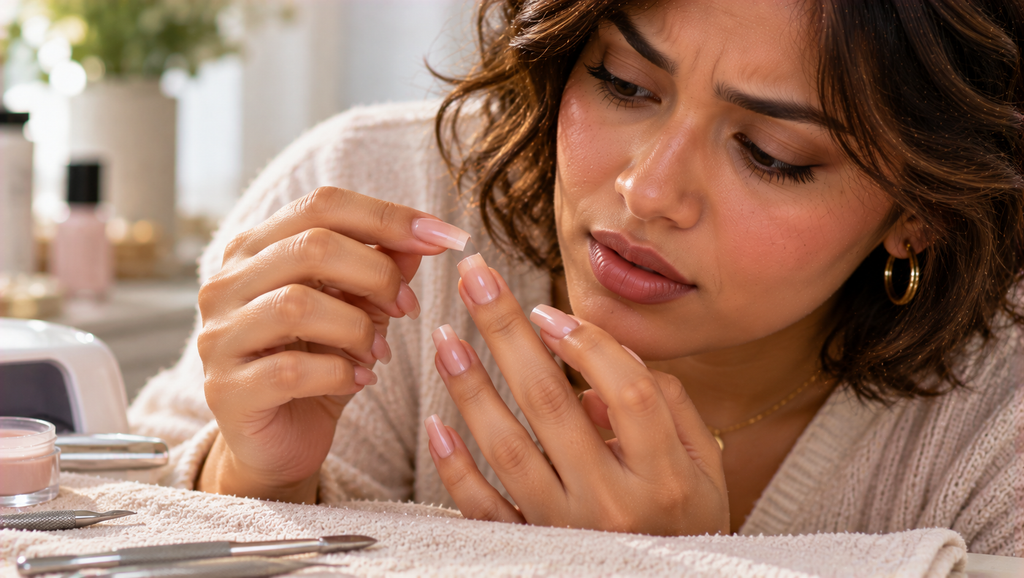
19. Nutrition Supports Strong Natural Nails
Your natural nails provide the foundation underneath acrylic enhancements. Keeping your natural nails in good condition is therefore an important part of long-term nail care.
A balanced diet that provides essential nutrients can support overall nail health and natural growth. However, nutrition alone does not determine how long acrylic nails will last.
Benefits include:
- Stronger nail foundation.
- Healthy growth.
- Improved appearance.
- Better overall nail care.
Focus on maintaining balanced eating habits rather than relying on one specific food or product. Your natural nails still need regular care while you wear acrylics. Good nail health underneath the enhancement can support your overall manicure routine and make future applications easier to manage.
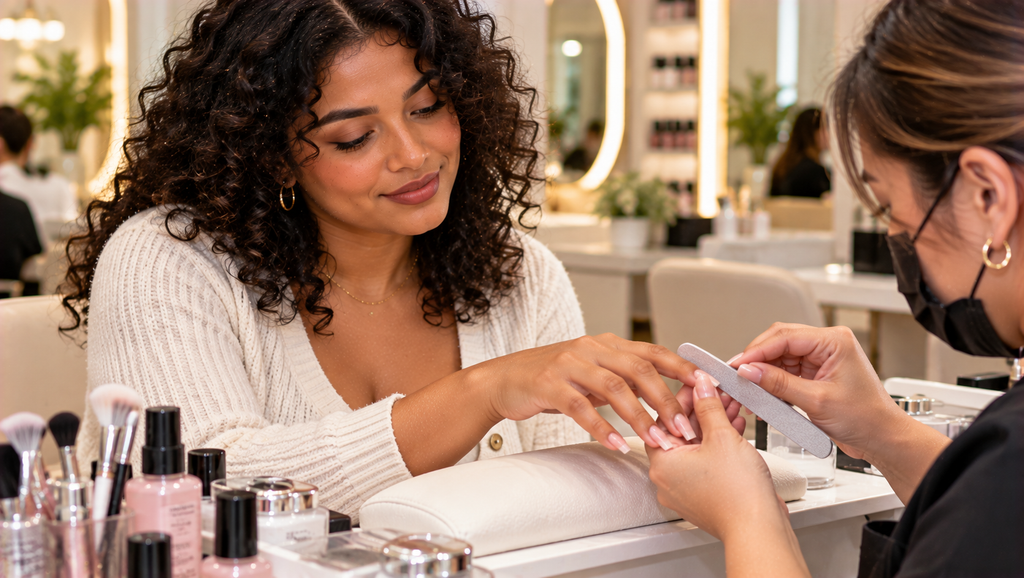
20. Consistency Creates Better Results
There is no single trick that guarantees acrylic nails will last longer. In most cases, several small habits work together to create better results.
Moisturizing your cuticles, wearing gloves during chores, avoiding your nails as tools, and keeping regular fill appointments are all simple habits that can support longer wear.
Benefits include:
- Better durability.
- Improved appearance.
- Fewer maintenance issues.
- Healthier-looking nails.
The key is to make these habits part of your normal routine. You do not need a complicated nail-care system. A few minutes of care each day can be easier to maintain than trying to fix several problems at once. Consistency can make your acrylic manicure easier to enjoy.
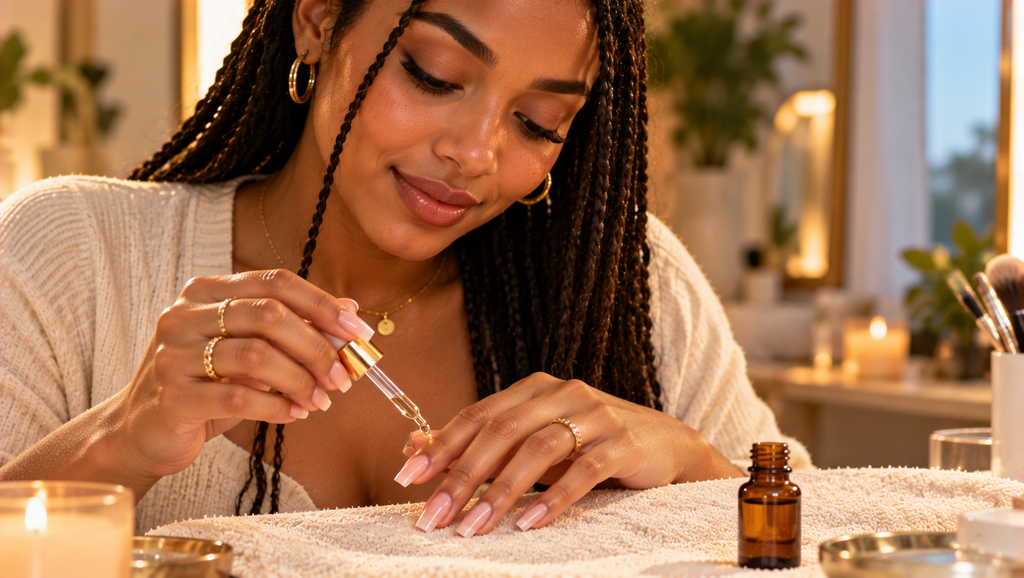
21. Keep Nail Appointments on Schedule
As your natural nails grow, the acrylic enhancement moves farther away from the cuticle. This changes the balance of the nail and can make it more vulnerable to lifting or breaking.
Waiting too long between appointments can therefore create additional maintenance problems. Keeping your fills on schedule helps address growth before it becomes excessive.
Benefits include:
- Better balance.
- Reduced breakage.
- Improved appearance.
- Easier maintenance.
A simple way to stay on track is to schedule your next appointment before leaving your current one. Your nail technician can also help you decide when your next fill is appropriate based on your nail growth and the condition of your acrylics.

22. Gentle Hand Washing Helps
Hand washing is an important part of everyday hygiene, but rough scrubbing can put unnecessary pressure around the nails. Using gentle movements can help protect the acrylic while still keeping your hands clean.
After washing your hands, moisture can also evaporate from the skin and leave your cuticles feeling dry. Applying hand cream afterward can help keep the area comfortable.
Benefits include:
- Better hygiene.
- Healthier-looking skin.
- Improved appearance.
- Reduced dryness.
Use a gentle hand-washing routine and avoid aggressively scrubbing the nail tips. When possible, apply hand cream after washing, especially if your skin feels dry. This simple habit can support both your manicure and the surrounding skin.

23. Be Careful With Keyboard Use
If you spend several hours typing every day, your keyboard habits can affect your acrylic nails. Repeatedly striking the keys with the nail tips can place pressure on the acrylic, especially when you wear longer nails.
Over time, this repeated impact may contribute to discomfort, chips, or breakage.
Benefits include:
- Reduced stress.
- Better durability.
- Improved comfort.
- Less breakage.
Try adjusting your typing technique so your fingertips make contact with the keys instead of repeatedly hitting them with the nail tips. If long acrylic nails make typing difficult, choosing a slightly shorter length for your next set may make everyday work more comfortable.
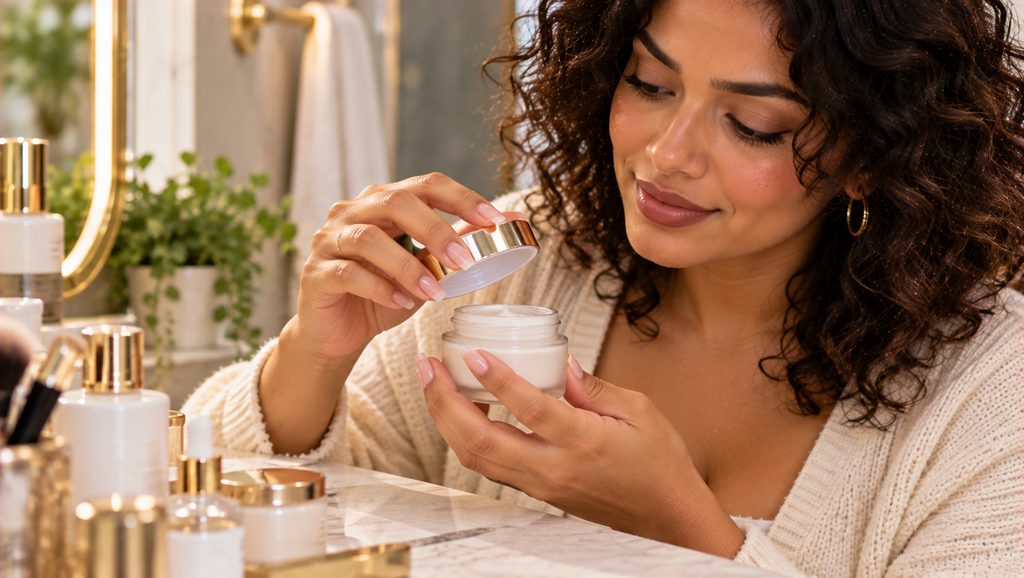
24. Sun Exposure Can Affect Some Top Coats
Some nail products can react differently after prolonged exposure to sunlight. Depending on the products used, extended exposure may affect the shine or appearance of a top coat.
This does not mean you need to avoid sunlight completely. It simply means that protecting your hands during long periods outdoors can be part of your overall nail and hand-care routine.
Benefits include:
- Better shine retention.
- Improved appearance.
- Healthier-looking skin.
- Longer-lasting finish.
If you spend extended periods outdoors, consider using hand sunscreen to protect your skin. You can also avoid unnecessary exposure when possible. Good hand care supports the overall appearance of your manicure and helps your hands look polished.
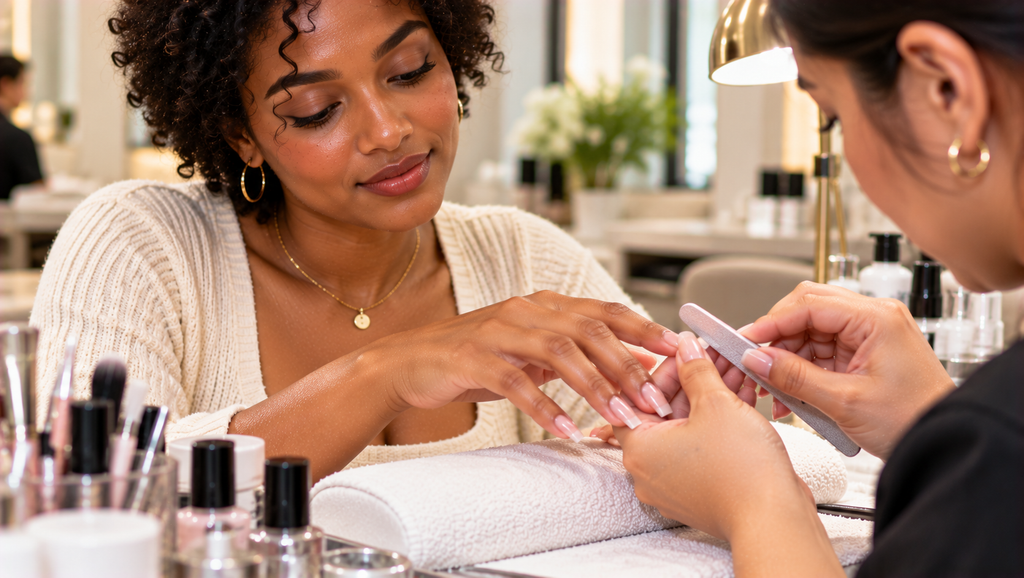
25. Quality Aftercare Is Important
The care you provide after getting acrylic nails can have a major effect on how they look over time. A fresh manicure can look perfect when you leave the salon, but daily habits determine how well that appearance is maintained.
Keeping your nails clean, moisturizing the cuticles, avoiding rough handling, and protecting them during chores can all support better wear.
Benefits include:
- Better appearance.
- Longer wear.
- Healthier-looking nails.
- Fewer maintenance issues.
Think of aftercare as part of the manicure rather than an extra step. A simple routine is enough for most people. The goal is to protect the acrylic while also caring for the natural nail underneath.
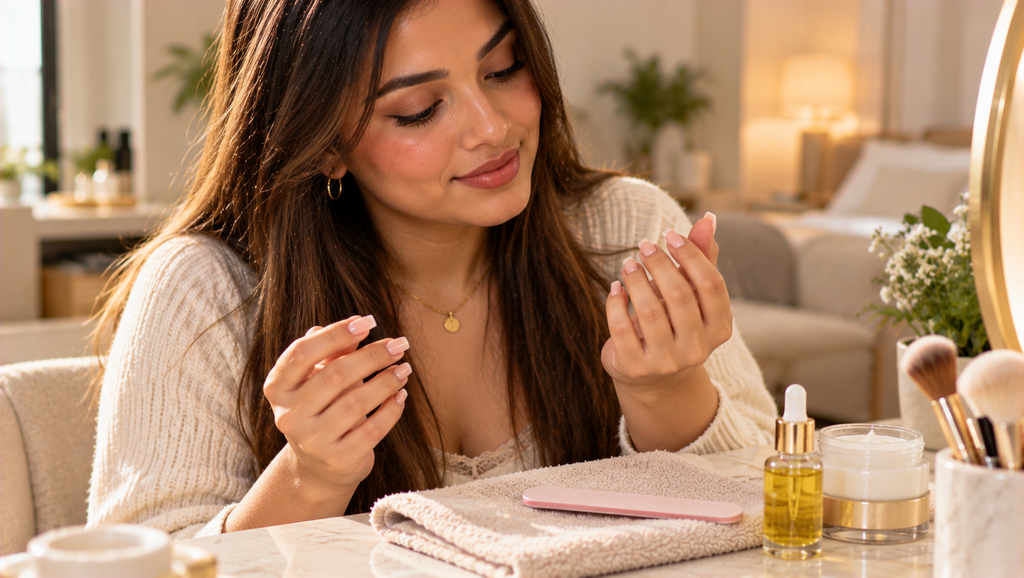
26. Acrylic Thickness Matters
The thickness of acrylic can affect both comfort and durability. If the product is too thin, the nail may not have enough structure to handle everyday pressure. If it is too thick, the nail may feel heavy and look less natural.
A balanced application helps create a manicure that feels comfortable while still providing support.
Benefits include:
- Better comfort.
- Improved durability.
- More natural appearance.
- Better balance.
Your nail technician can help choose a suitable thickness based on your preferred length, shape, and daily routine. If you regularly experience breaking or discomfort, discuss the structure of your acrylic nails during your next appointment. A balanced application can make a noticeable difference.
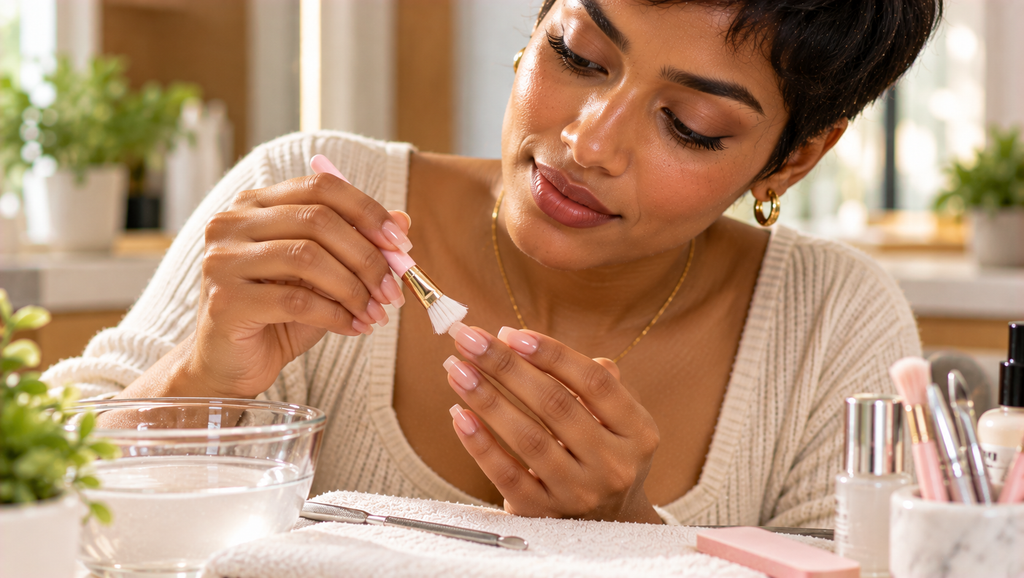
27. Protect Nails During Sports
Sports and fitness activities can place additional stress on acrylic nails. Gripping equipment, lifting weights, catching objects, or making repeated hand movements can increase the chance of accidental damage.
Longer nails may be especially difficult to manage during physical activities because the tips can catch or hit objects.
Benefits include:
- Reduced breakage.
- Better protection.
- Improved durability.
- Greater comfort.
If you exercise or play sports regularly, consider choosing an acrylic length that allows you to move comfortably. Being careful when handling equipment can also reduce unnecessary pressure. A practical nail length does not mean you have to give up style. You can still enjoy a beautiful manicure while choosing a design that fits your active routine.

Frequently Asked Questions
How long should acrylic nails really last?
Acrylic nails commonly last around two to three weeks before a fill is needed. Your natural nail growth, lifestyle, application, and aftercare can affect the exact time.
Can acrylic nails last a month?
They may remain attached for longer, but most people need maintenance before a full month because natural nail growth creates a visible gap and changes the balance of the enhancement.
How can I make acrylic nails last longer?
Protect them during household chores, avoid using them as tools, moisturize your cuticles, avoid picking, and keep regular fill appointments.
Why do my acrylic nails lift so quickly?
Lifting can be connected to factors such as application quality, water exposure, daily activities, picking, and delayed maintenance.
Do shorter acrylic nails last longer?
Shorter acrylic nails can experience less pressure during everyday activities and may be less likely to break or catch on objects.
How often should I get acrylic nail fills?
Many people need fills around every two to three weeks, but the ideal schedule depends on how quickly their natural nails grow and the condition of the acrylic.
Can water damage acrylic nails?
Frequent or prolonged water exposure may contribute to lifting over time. Wearing gloves during chores can help reduce unnecessary exposure.
Is cuticle oil important for acrylic nails?
Cuticle oil helps keep the skin around the nails moisturized and can support a cleaner, healthier-looking manicure.
Wrap Up
If you have been wondering how long acrylic nails really last and how to make them last longer, two to three weeks is a common maintenance point. However, your actual wear time depends on natural nail growth, lifestyle, application quality, nail length, and aftercare.
Simple habits can make a meaningful difference. Protect your nails during chores, avoid using them as tools, keep your cuticles moisturized, and schedule fills before excessive growth or lifting becomes a problem.
Save this guide for your next acrylic manicure and use these practical tips to help your nails stay polished, comfortable, and well maintained for longer.