
Gel nails can look beautiful for weeks, but removing them can feel like the hardest part of the manicure. If you want to avoid acetone, there are gentler ways to loosen gel while giving your natural nails more care.
The key is to avoid rushing or pulling the gel away from the nail. Gentle filing, warm water, cuticle oil, and proper aftercare can help make the process more comfortable.
In this article, we have covered 23 gentle ideas for how can I remove gel nails without acetone while keeping your natural nails protected and cared for.
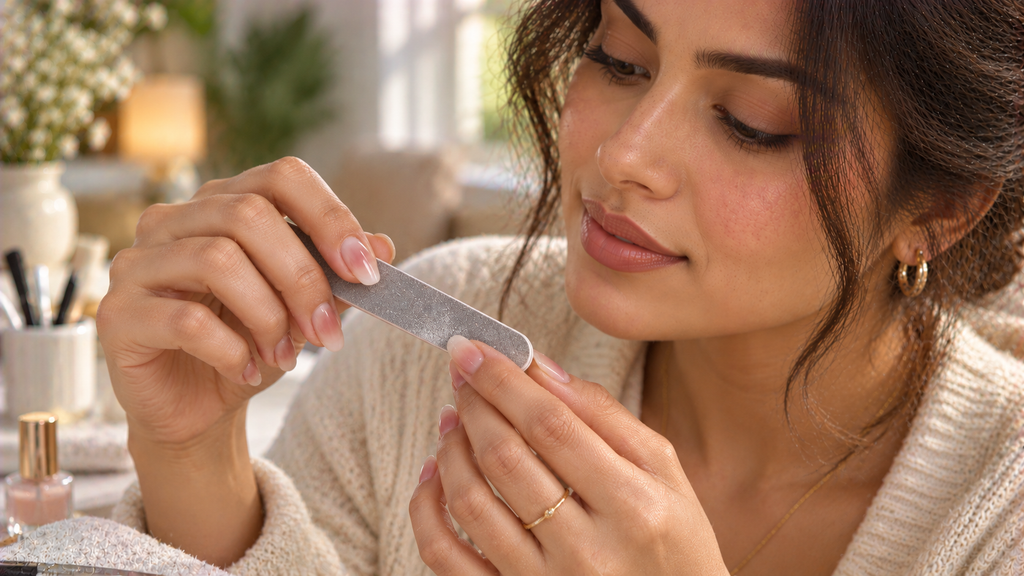
1. Start With Gentle Filing
A gentle nail file can help remove the shiny top layer that seals your gel manicure. Removing this surface can make it easier for the gel to loosen during the rest of the process.
Use light pressure and work slowly across the nail. Filing too aggressively can thin the natural nail, so the goal is to reduce the surface layer rather than scrape deeply.
Benefits include:
- Easier removal.
- Less soaking time.
- Better product penetration.
- More controlled results.
A careful filing step can prepare the nails without putting unnecessary pressure on the natural nail underneath and Choose a fine-grit nail file instead of a rough file for better control.
2. Soak Nails in Warm Water
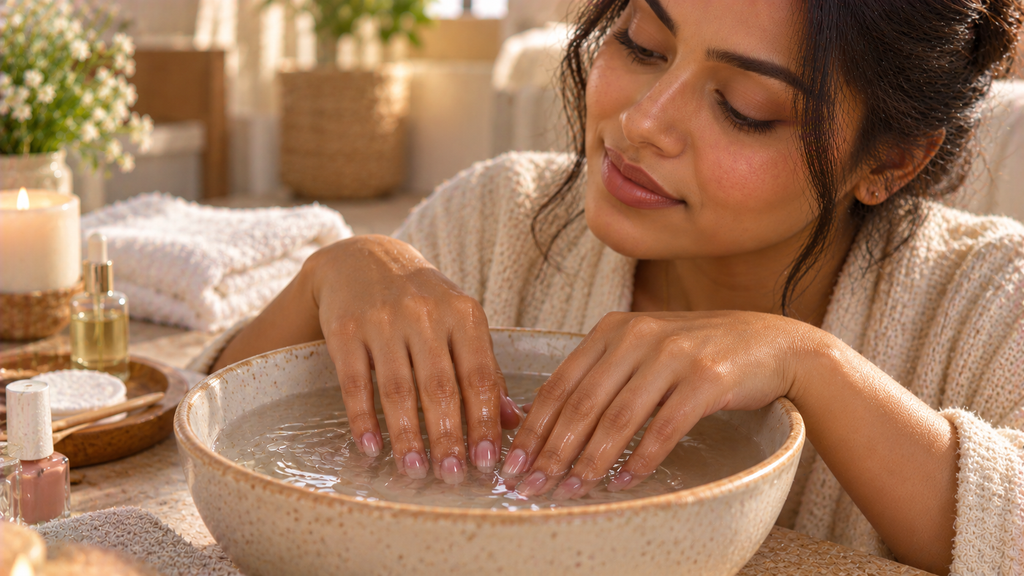
Warm water can help soften the nail area and loosen gel that has already started separating. It will not usually remove a complete gel manicure on its own, but it can be useful as part of a gentler process.
Fill a bowl with comfortably warm water and soak your fingertips for several minutes. Avoid water that feels too hot, especially if your skin is sensitive.
Benefits include:
- Simple process.
- No harsh chemicals.
- Easy at-home option.
- Comfortable experience.
Warm water can make the removal process feel more relaxing while helping loosen stubborn edges and You can follow the soak with cuticle oil to keep the surrounding skin moisturized.
3. Use Cuticle Oil Generously
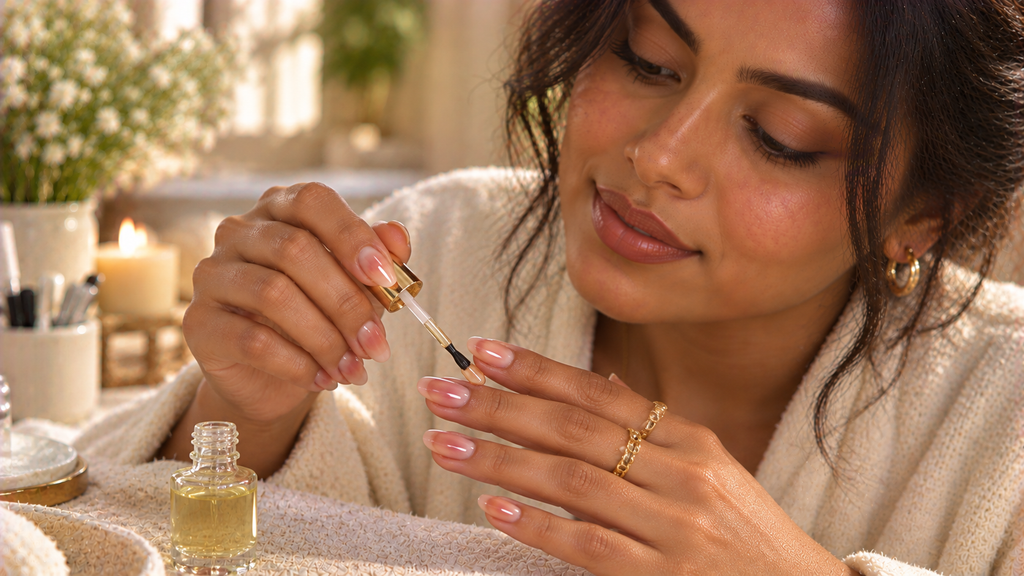
Cuticle oil is helpful when your nails and surrounding skin feel dry. Gel manicures and removal can leave the area feeling less comfortable, so adding moisture can support better nail care.
Apply cuticle oil around the nail and cuticle area. Give it time to absorb instead of immediately wiping it away.
Benefits include:
- Added moisture.
- Softer cuticles.
- Better flexibility.
- Reduced dryness.
Regular oil application can make your nails and cuticles feel more comfortable during the removal process and beyond this you can also apply cuticle oil several times throughout the day if your nails feel especially dry.
4. Lift Only Loose Edges
When gel begins to lift, it can be tempting to pull the entire layer away. However, attached gel can take layers of the natural nail with it when pulled forcefully.
Only work on sections that are already separating naturally. If a section remains firmly attached, leave it alone and give it more time.
Benefits include:
- Less nail damage.
- Safer removal.
- Better nail condition.
- Easier recovery.
Gentle removal is more about knowing when to stop than forcing the gel to come off quickly and make sure to Never pull or force a section that is still strongly attached to your natural nail.
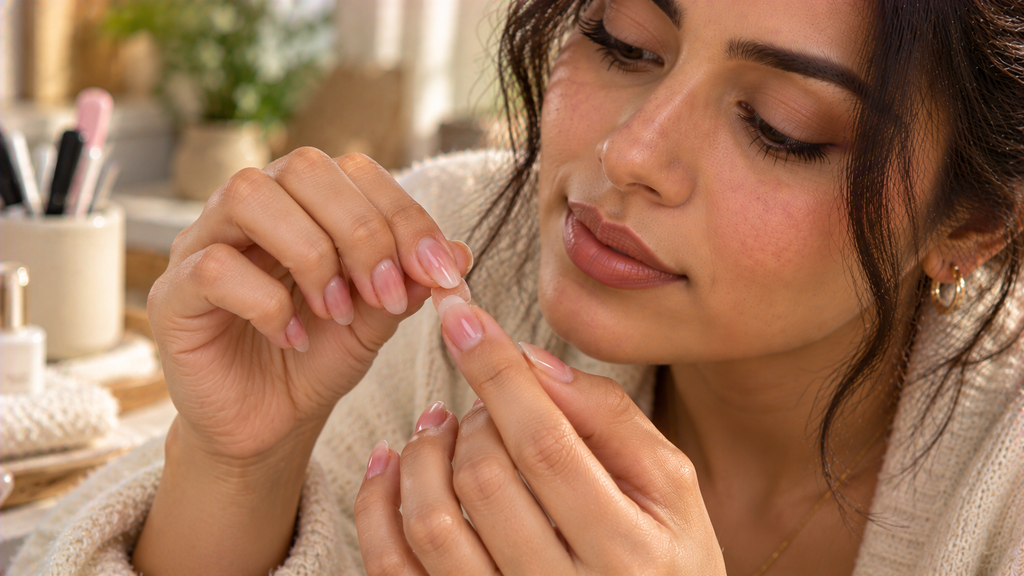
5. Try Warm Oil Soaks
A warm oil soak can add moisture while making the removal process feel more comfortable. Oils such as olive oil or coconut oil can help condition the skin and cuticles.
Use a small amount of comfortably warm oil and allow your fingertips to soak for a few minutes. The goal is to soften and moisturize the area rather than dissolve the gel completely.
Benefits include:
- Added hydration.
- Softer cuticles.
- More comfortable removal.
- Relaxing self-care experience.
Warm oil can be a useful addition when your nails and cuticles feel dry during removal and you can also follow the soak with a gentle hand massage to help spread the oil around the nail area.

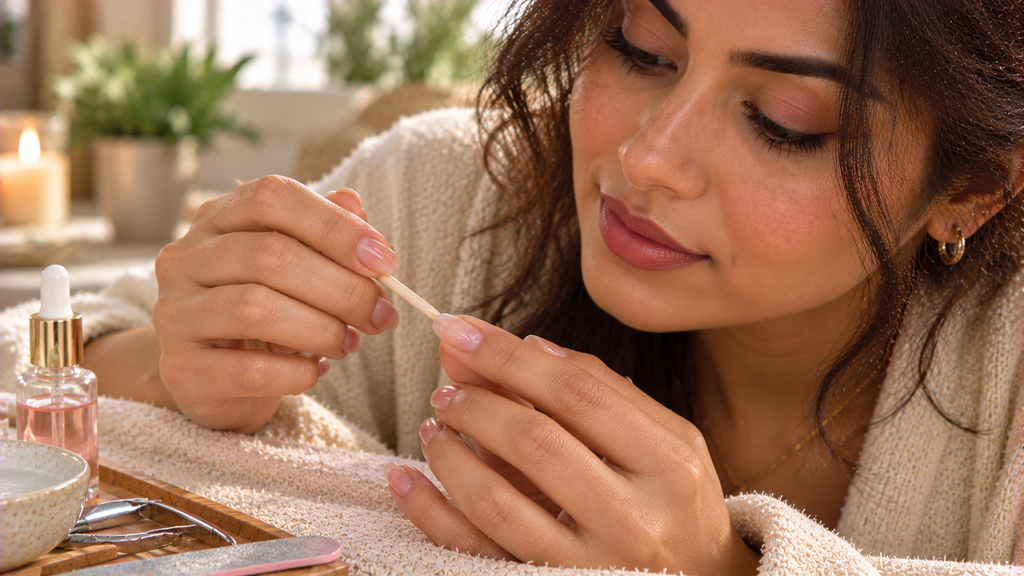
6. Use a Wooden Cuticle Stick Carefully
A wooden cuticle stick can help lift gel that has already loosened from the nail. It gives you more control than using your fingernails to pick at the product.
Work slowly and use very little pressure. If the gel does not move easily, stop instead of pushing the tool underneath it.
Benefits include:
- Better control.
- Gentle removal.
- Easy to use.
- Affordable tool.
The tool should assist with already-loose gel rather than force attached product away from the nail and the other things that you can do is to Work in small sections instead of trying to remove the entire nail at once.
7. Moisturize Between Removal Sessions
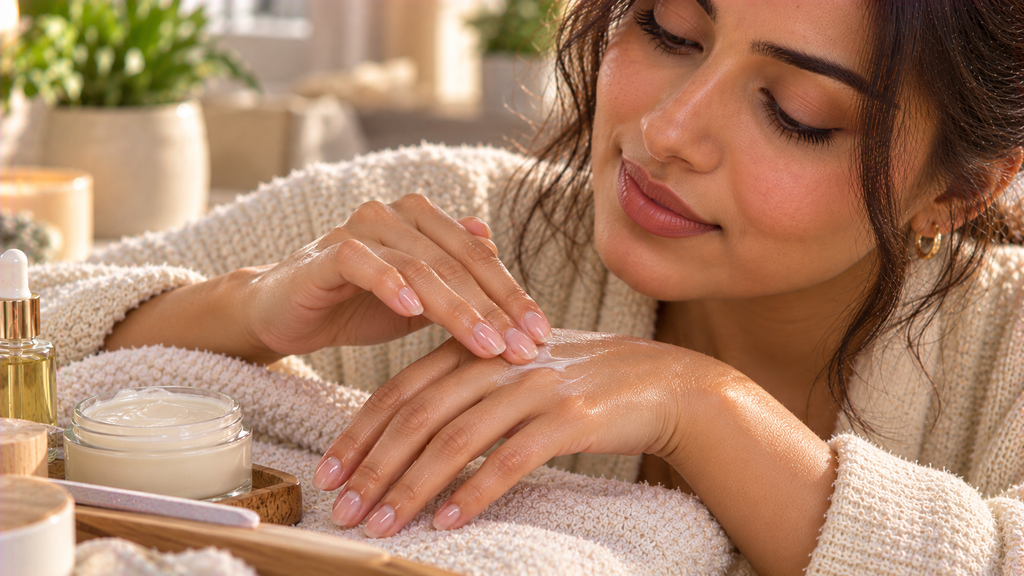
Gel removal without acetone can take longer, especially when you choose a gentle approach. During this time, regular moisturizing can help keep your nails and surrounding skin comfortable.
Use hand cream, cuticle oil, or a nourishing balm around your hands and nails. Consistent moisture is especially useful when the skin starts feeling dry.
Benefits include:
- Healthier-looking nails.
- Softer skin.
- Better flexibility.
- Improved appearance.
Taking care of your nails between removal attempts can make the entire process more comfortable and you can also choose a rich hand cream if your hands and cuticles feel particularly dry.
8. Be Patient With the Process
One of the easiest ways to damage your nails is to rush gel removal. When the gel does not come off quickly, pulling or scraping may seem tempting.
Instead, give the product more time to loosen. A slower process can help you avoid unnecessary pressure on your natural nails.
Benefits include:
- Less breakage.
- Reduced peeling.
- Better nail health.
- Cleaner removal.
Think of gel removal as part of your nail-care routine rather than something that needs to be finished as quickly as possible and Give yourself enough time so you do not feel tempted to force the gel off.
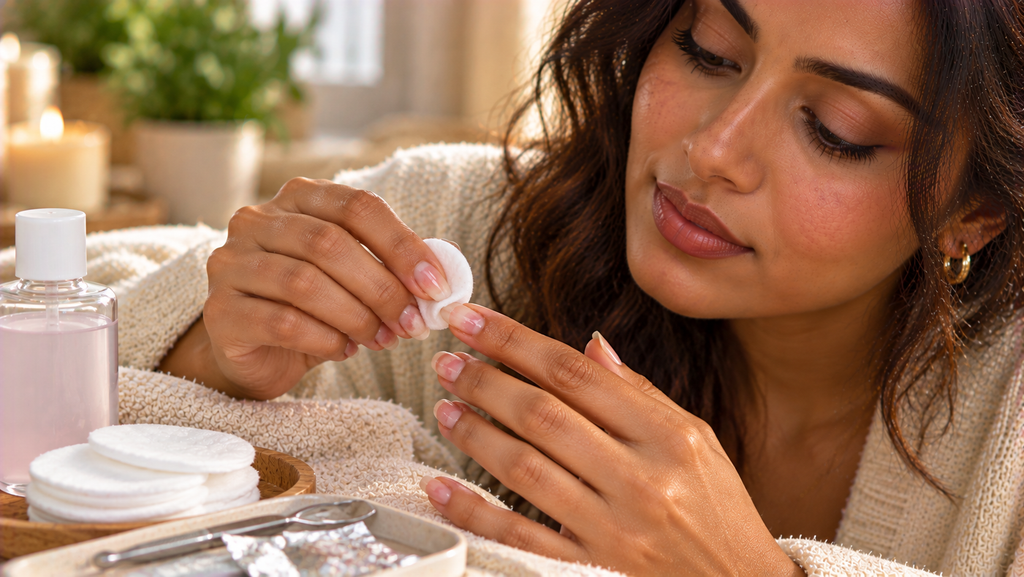
9. Protect Nails After Removal
Your nails may need extra care once the gel has been removed. This is a good time to focus on moisture and gentle nail care instead of immediately applying another enhancement.
A nourishing nail oil or strengthening treatment can help improve the appearance of nails during the recovery period.
Benefits include:
- Improved nail condition.
- Better appearance.
- Healthier-looking growth.
- Added protection.
Post-removal care is just as important as the removal process itself and you can also consider taking a short break from nail enhancements after removing your gel manicure.
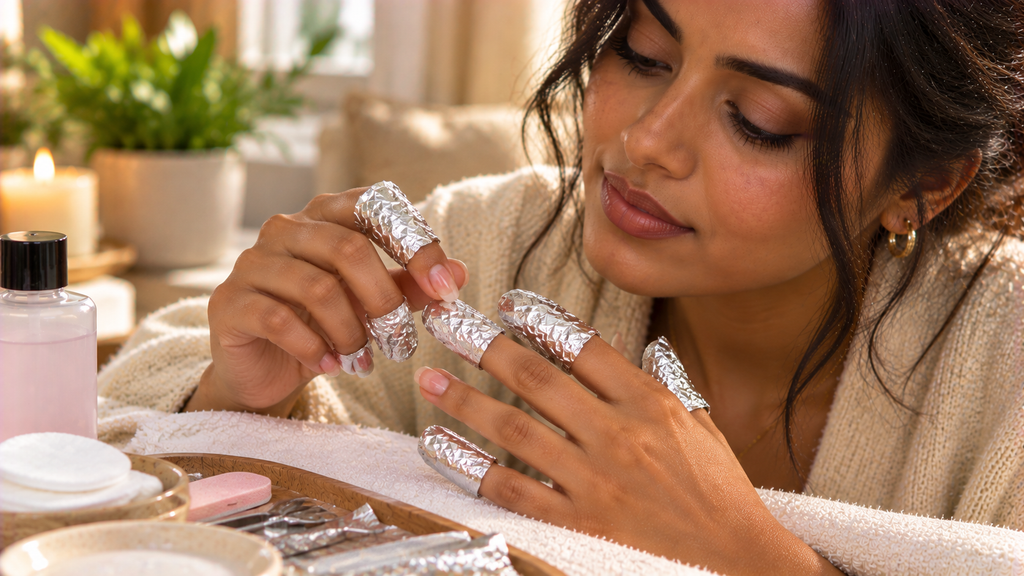
10. Avoid Metal Tools When Possible
Metal tools can be useful when handled properly, but they may be difficult for beginners to control at home. Pressing too hard can scratch or weaken the nail surface.
Gentler tools can give you better control while reducing the temptation to scrape aggressively.
Benefits include:
- Safer removal.
- Better nail protection.
- Reduced scratching.
- Easier handling.
The goal is to loosen the gel without damaging the natural nail underneath and Consider using a wooden or silicone tool when working with already-loosened gel.
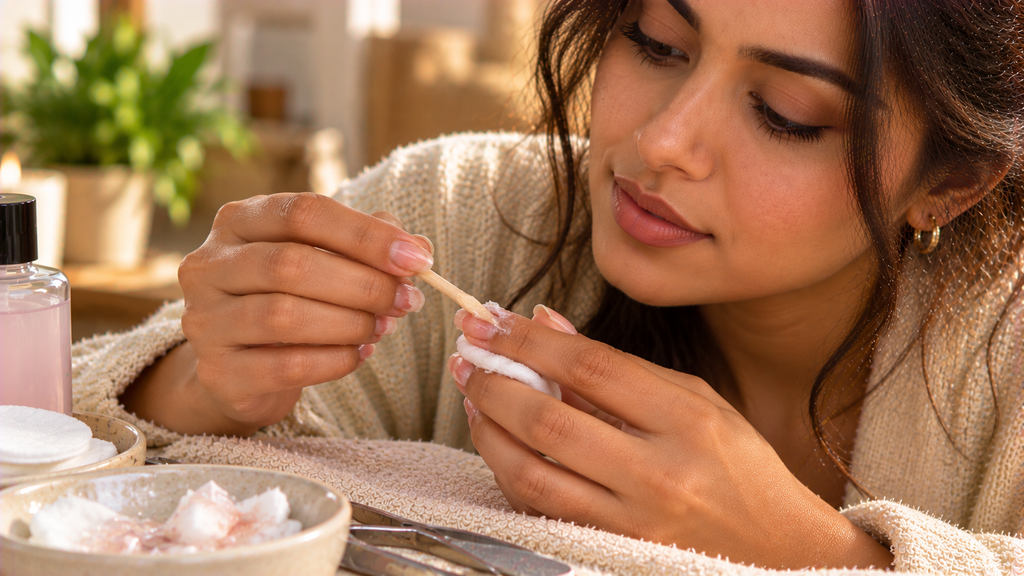
11. Create a Relaxing Nail Removal Station
Setting up a comfortable space can make gel removal feel less frustrating. Keep a soft towel, warm water, cuticle oil, hand cream, and your nail tools nearby before you begin.
Good lighting is also useful because it lets you see the nail surface clearly. A calm setup can make it easier to work slowly and carefully.
Benefits include:
- Better focus.
- More comfortable experience.
- Fewer mistakes.
- Relaxing atmosphere.
When everything is ready, you are less likely to rush or use unnecessary force and Play calming music or a favorite podcast if it helps you stay patient during the process.
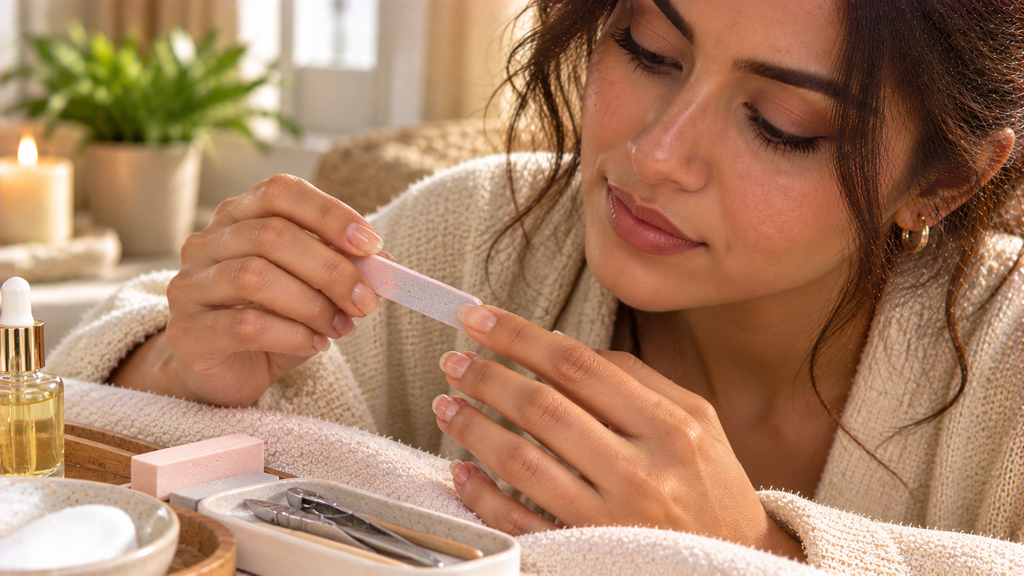
12. Use a Nail Buffer Gently
A fine nail buffer can help smooth small amounts of remaining gel residue after most of the product has loosened. It can also improve the appearance of the nail surface.
Use very light pressure and make only a few gentle passes. Over-buffing can remove too much of the natural nail and leave it feeling thin.
Benefits include:
- Smoother nails.
- Better appearance.
- Improved texture.
- Simple finishing step.
Buffing should be a gentle finishing step rather than a way to aggressively remove thick layers of gel and you can also choose a fine buffer instead of a coarse one for better control.
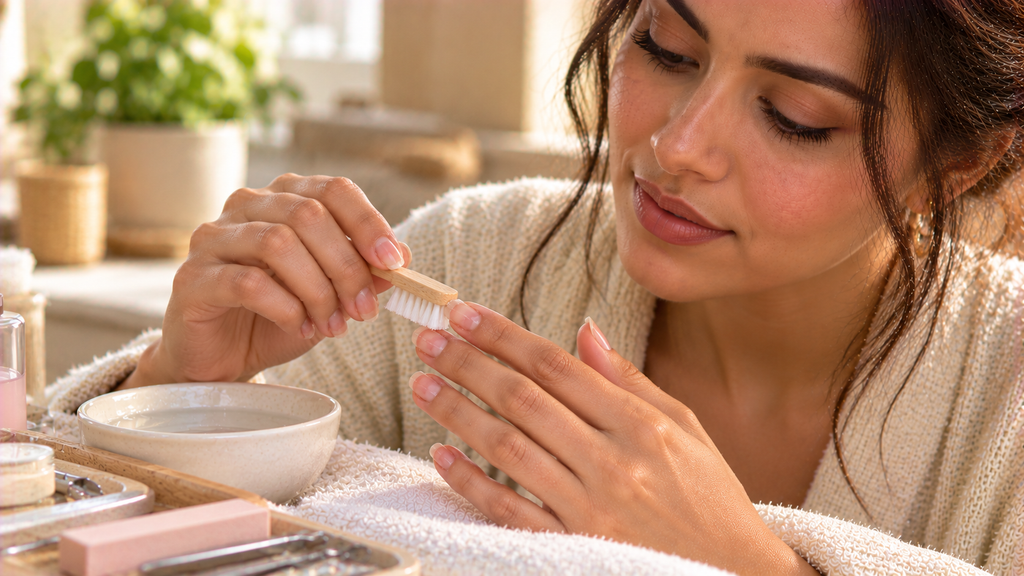
13. Take Breaks During Removal
You do not always need to finish gel removal in one sitting. If the product is not loosening easily, taking a break can prevent you from forcing it.
Give your nails and skin time between removal sessions. You can use this time to apply oil or moisturizer before returning to the process later.
Benefits include:
- Less stress on nails.
- Better comfort.
- Reduced risk of damage.
- Easier removal.
Taking a break can be a much better option than scraping or pulling when the gel refuses to move and return to the process later if the product still feels firmly attached.
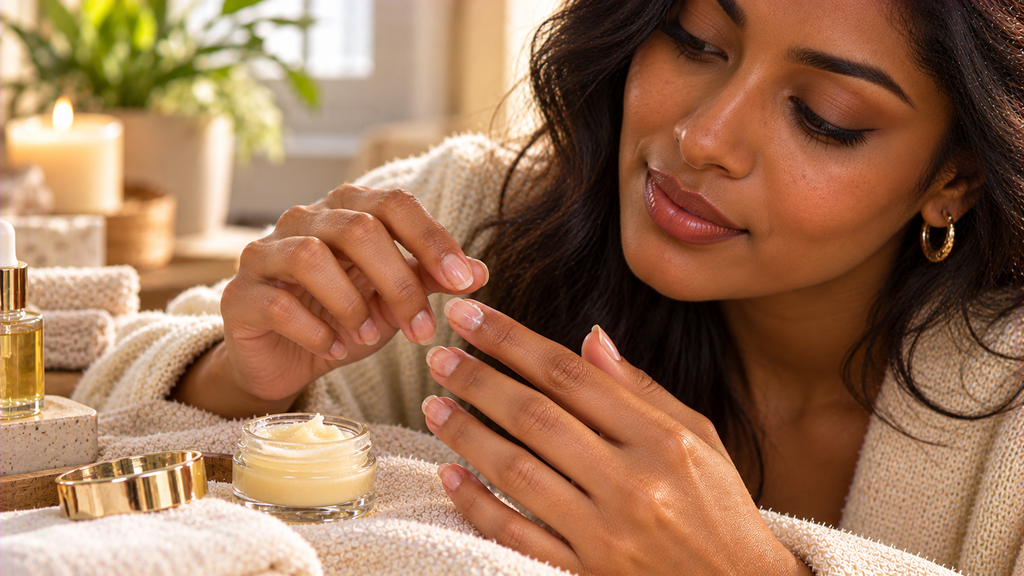
14. Coconut Oil Can Add Extra Moisture
Coconut oil is commonly used in home nail-care routines because it can help soften dry skin and cuticles. It will not completely dissolve gel polish, but it can add moisture during the removal process.
Apply a small amount around the nail and cuticle area. This can be especially helpful if repeated soaking has made the surrounding skin feel dry.
Benefits include:
- Added hydration.
- Softer cuticles.
- Better comfort.
- Affordable option.
Coconut oil can support the care side of the removal process even though it is not a complete gel remove and you can also pair it with a warm oil soak for an extra moisturizing step.
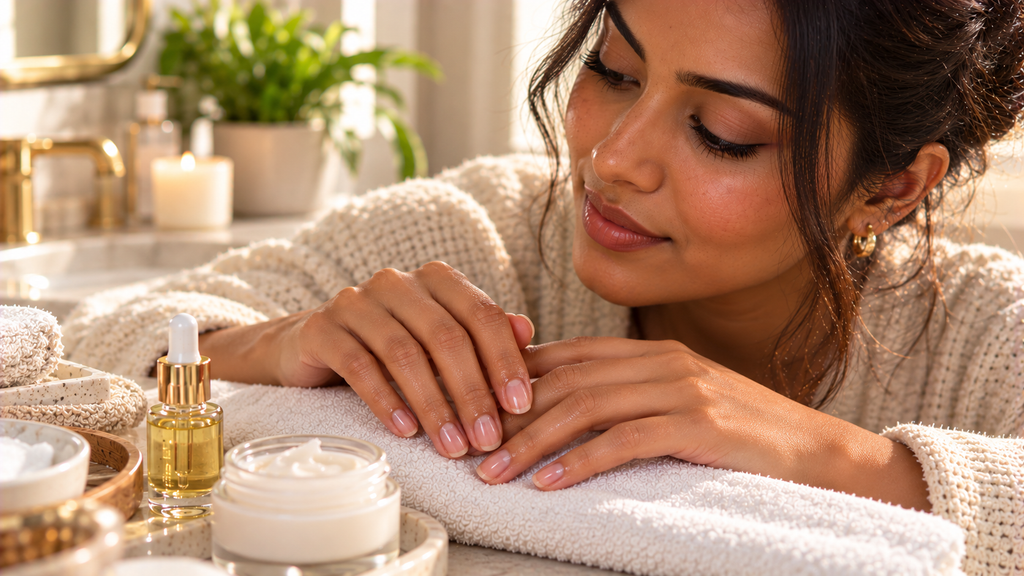
15. Watch for Signs of Nail Damage
Pay attention to how your natural nails look and feel during removal. Peeling, thinning, roughness, or increased sensitivity can be signs that you need to slow down.
Do not continue aggressively removing gel simply because you want the manicure gone. Protecting the natural nail should remain the priority.
Benefits include:
- Better nail protection.
- Early detection of problems.
- Healthier recovery.
- Better long-term care.
Noticing changes early gives you a chance to stop and adjust your removal routine, Stop and reassess your method if you notice excessive peeling, thinning, or other damage.

16. Keep Nails Short During Recovery
Keeping your nails slightly shorter after gel removal can make daily nail care easier. Shorter nails are less likely to catch on clothing or objects during everyday activities.
A simple rounded shape can also make the nails easier to maintain while they regain their normal appearance.
Benefits include:
- Less breakage.
- Easier maintenance.
- More comfortable daily activities.
- Simple nail care.
Shorter nails can be especially practical if your natural nails feel weak after removing a manicure and Try a soft rounded shape for an easy and comfortable style during recovery.
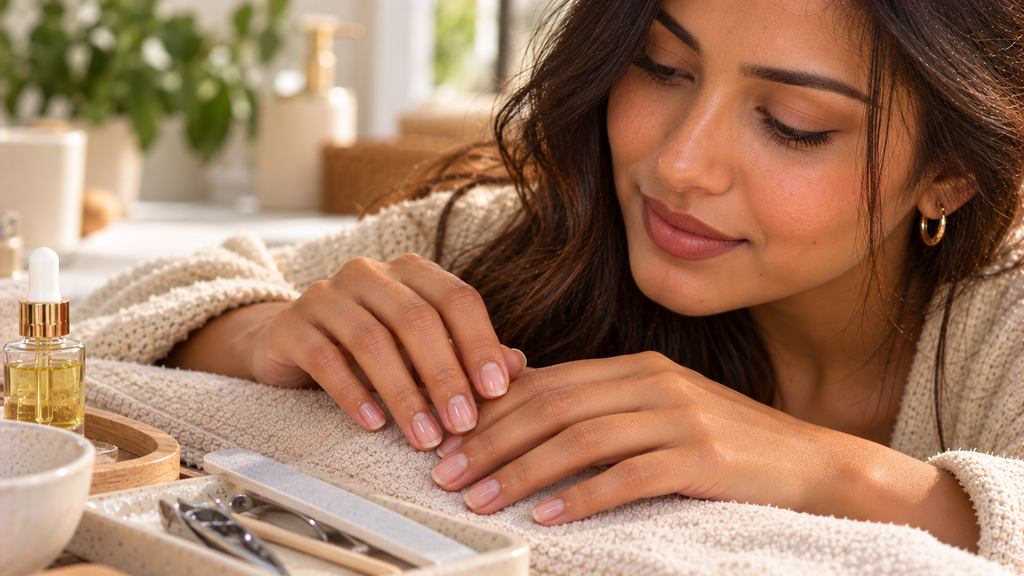
17. Apply Nail Strengthening Treatments
Some people like to use strengthening treatments after removing gel nails. These products are designed to support the appearance and feel of nails that may seem weak or fragile.
Follow the product instructions and avoid applying too many products at once. A simple routine can make nail care easier to maintain.
Benefits include:
- Added protection.
- Better appearance.
- Stronger-feeling nails.
- Easy application.
A strengthening treatment can become part of your post-gel nail-care routine while you focus on keeping your nails protected and Choose a treatment specifically made for nail care after gel use.
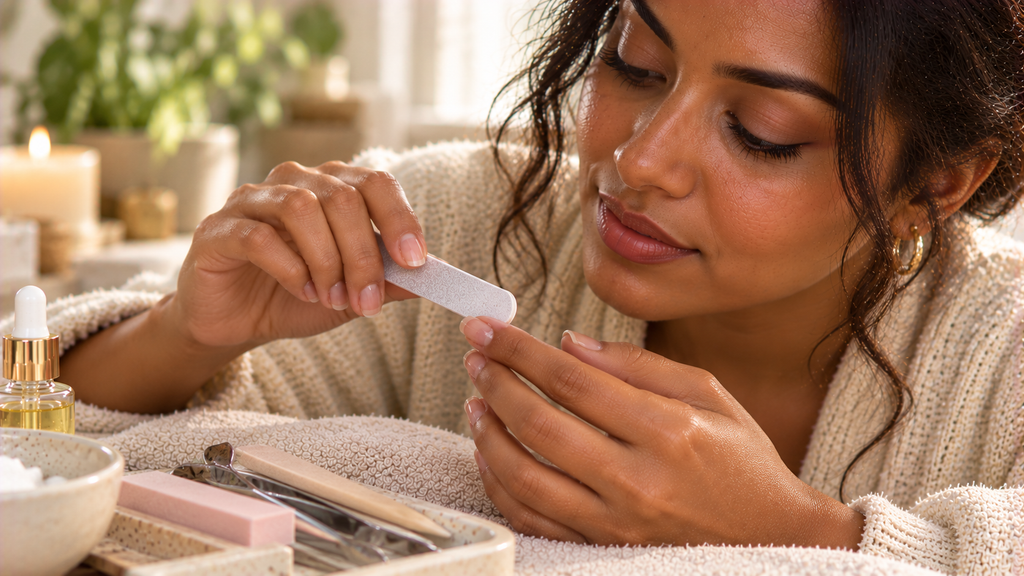
18. Avoid Peeling Gel Off by Hand
Peeling gel off by hand may seem like the quickest solution, but it can also pull away layers of the natural nail. This can leave the surface rough or uneven.
Instead of picking at the gel, allow it to loosen gradually. If a section is still attached, give it more time rather than pulling harder.
Benefits include:
- Reduced damage.
- Healthier-looking nails.
- Smoother appearance.
- Better nail condition.
A few extra minutes of patience can be better than removing the gel forcefully and you can also avoid picking at lifted edges whenever possible.
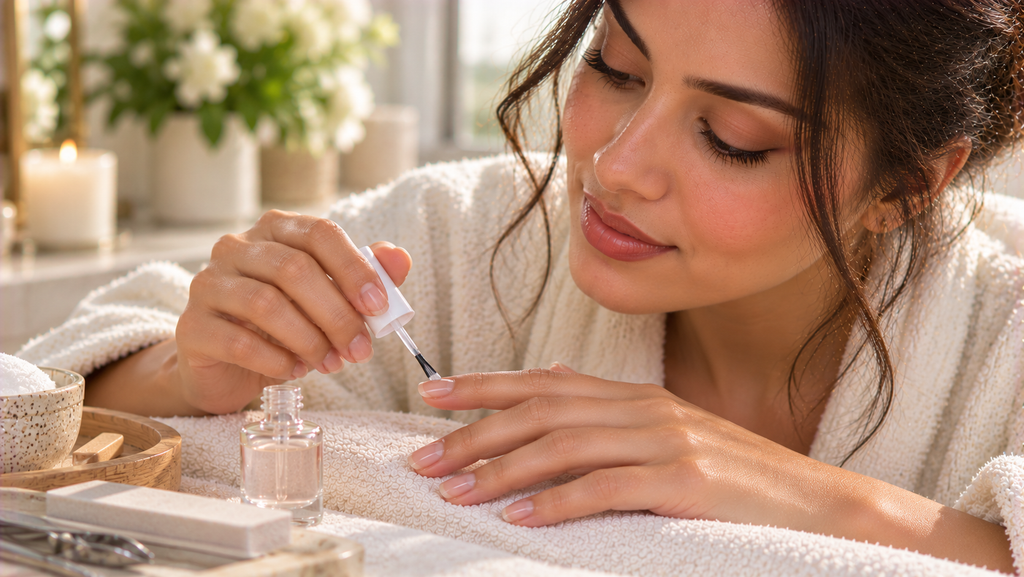
19. Hydrate Nails Daily
Daily hydration is an important part of nail care, especially after gel removal. Nail oils and moisturizing creams can help keep the nails and cuticles from feeling excessively dry.
Make hydration part of your normal routine instead of using oil only when your nails look dry.
Benefits include:
- Better moisture balance.
- Improved flexibility.
- Healthier-looking nails.
- Softer cuticles.
Consistent care can help your nails look and feel better over time and try applying cuticle oil before bed so it can remain on your nails overnight.
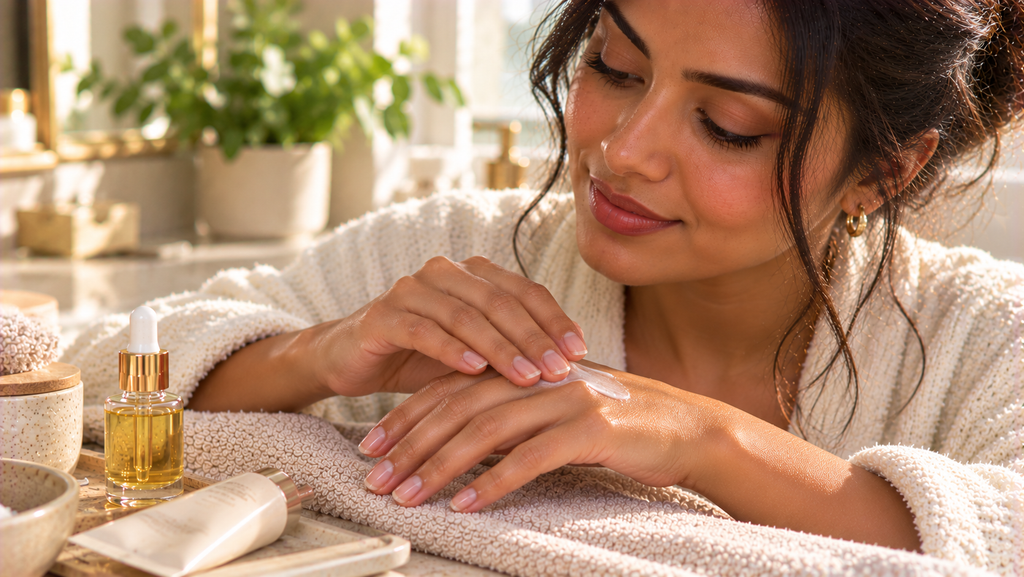
20. Let Nails Rest Occasionally
Taking a break between gel manicures gives you time to focus on your natural nails. During this period, you can keep your routine simple with moisturizer, cuticle oil, and gentle nail care.
A break can also make it easier to notice changes in the natural nail surface.
Benefits include:
- Better recovery.
- Stronger-looking natural nails.
- Reduced stress on nails.
- Easier maintenance.
You can use this time to focus on basic nail care rather than adding another manicure immediately and Pair your nail break with a simple daily moisturizing routine.
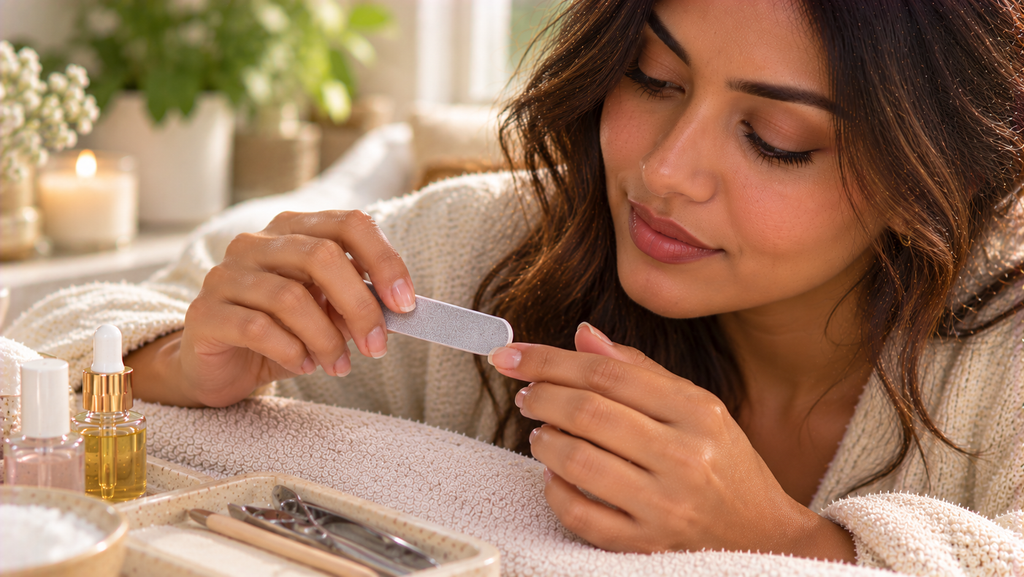
21. Use Gentle Hand Care Products
Your hands and nails are exposed to soaps, cleaning products, and water throughout the day. Choosing gentler hand-care products can help reduce dryness around the nails and cuticles.
Moisturizing hand products can be especially useful after gel removal when the surrounding skin may feel dry.
Benefits include:
- Softer skin.
- Healthier-looking cuticles.
- Better moisture retention.
- Improved comfort.
Small daily habits can make nail care easier to maintain over time and Choose moisturizing formulas when possible, especially if your hands tend to become dry.
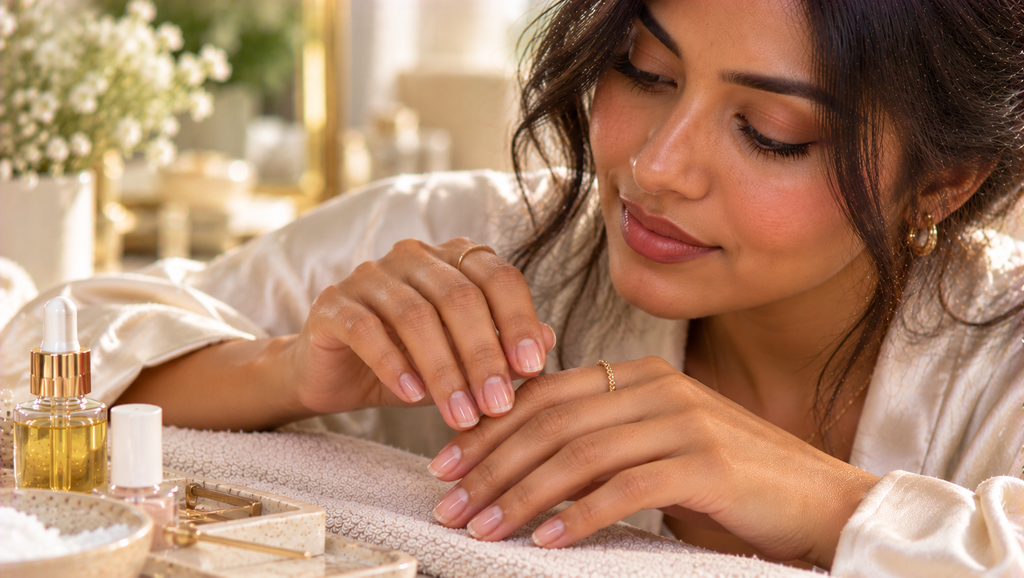
22. Consistency Matters More Than Speed
It can be tempting to search for the fastest way to remove gel nails, but a slower routine can be easier on your natural nails. Gentle filing, moisturizing, and patient removal can help reduce the urge to force the product away.
Consistency also makes post-removal care easier because you are giving your nails regular attention instead of trying to fix everything at once.
Benefits include:
- Better nail condition.
- Less unnecessary damage.
- More controlled results.
- Healthier recovery.
Focus on protecting your natural nails rather than finishing the removal as quickly as possible and A steady routine can make the process feel much more manageable.
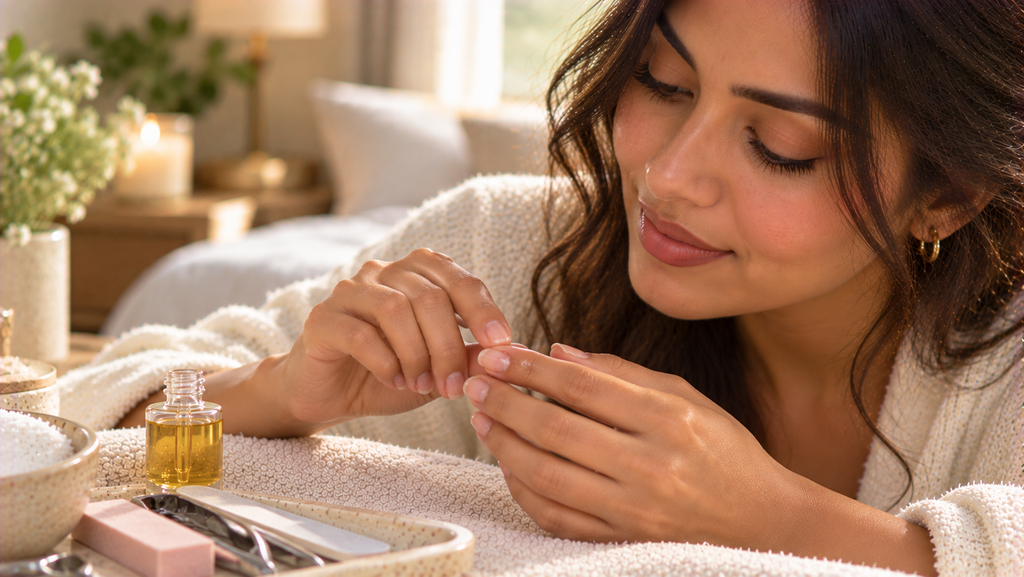
23. Healthy Nails Are Always the Goal
The goal of gel removal should not simply be getting the polish off. It should also be protecting the natural nail throughout the process.
Gentle filing, careful lifting, regular hydration, and proper aftercare can help you avoid unnecessary stress on your nails. Knowing when to stop is also an important part of safe removal.
Benefits include:
- Stronger-looking nails.
- Better appearance.
- Long-term nail care.
- More comfortable recovery.
Taking care of your natural nails now can make future manicures easier to manage and you cana also keep a simple nail-care routine even after the gel has completely been removed.
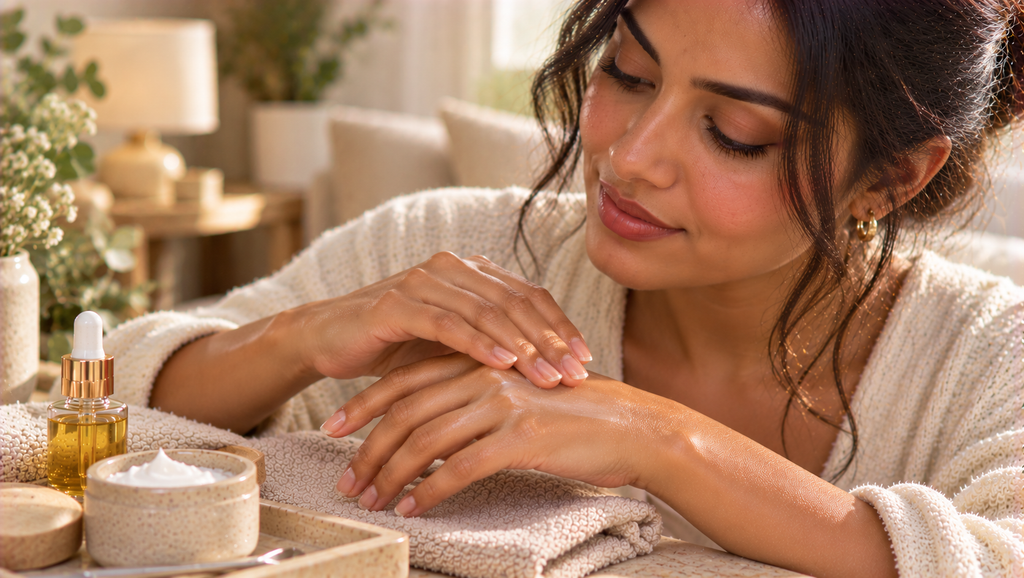
Frequently Asked Questions
How can I remove gel nails without acetone at home?
You can use gentle filing, warm water, cuticle oil, and careful removal of gel that has already started lifting. The process may take longer than traditional removal methods.
Will warm water remove gel nails completely?
Warm water alone will usually not remove a complete gel manicure. However, it can help soften the area and loosen some edges as part of a gentler removal routine.
Can coconut oil remove gel nails?
Coconut oil will not completely dissolve gel polish. It can, however, help moisturize the skin and cuticles during the removal process.
Is it safe to peel off gel nails?
Peeling gel can remove layers of the natural nail along with the polish. It is better to let the gel loosen gradually rather than forcefully pulling it away.
How long does gel nail removal without acetone take?
The time can vary depending on the type of gel, how strongly it is attached, and the removal method you use. Gentle methods generally require more patience.
What should I do after removing gel nails?
Focus on hydration and gentle care. Cuticle oil, moisturizer, and a suitable strengthening treatment can become part of your post-gel routine.
Can I use a nail file to remove gel polish?
Yes. Gentle filing can help reduce the top layer and assist with the removal process. Avoid aggressive filing because it can thin the natural nail.
How can I keep my nails healthy after gel polish?
Keep your nails moisturized, avoid picking or peeling, use gentle tools, and consider taking occasional breaks from nail enhancements.
Wrap Up
Removing gel nails without acetone can take more time, but patience can make the process gentler. Warm water, careful filing, cuticle oil, and proper aftercare can all become useful parts of a simple nail-care routine.
The most important thing is to avoid forcing the gel off. Protecting your natural nails should always matter more than removing an old manicure quickly.
Save this guide for your next gel removal session and use these gentle ideas to help keep your nails looking healthy, smooth, and well cared for.