
A fresh manicure can instantly make your hands look neat, polished, and put together. But keeping that fresh look can be difficult when polish starts chipping only a few days later. The good news is that a few simple habits can help your manicure stay beautiful for much longer.
Long-lasting nails are not only about choosing a good polish. Proper preparation, careful application, daily nail care, and protection from water and household tasks all matter. Small changes to your routine can help reduce chips, peeling, and dullness.
You also do not need a complicated routine to protect your manicure. Simple steps such as using a base coat, applying thin layers, moisturizing your cuticles, and protecting your hands during cleaning can make a noticeable difference.
In this article, we have covered 30 smart ways to make your manicure last longer and stay beautiful. These practical tips can help you enjoy smoother, shinier, and more polished-looking nails throughout the week.
1. Start With Completely Clean Nails
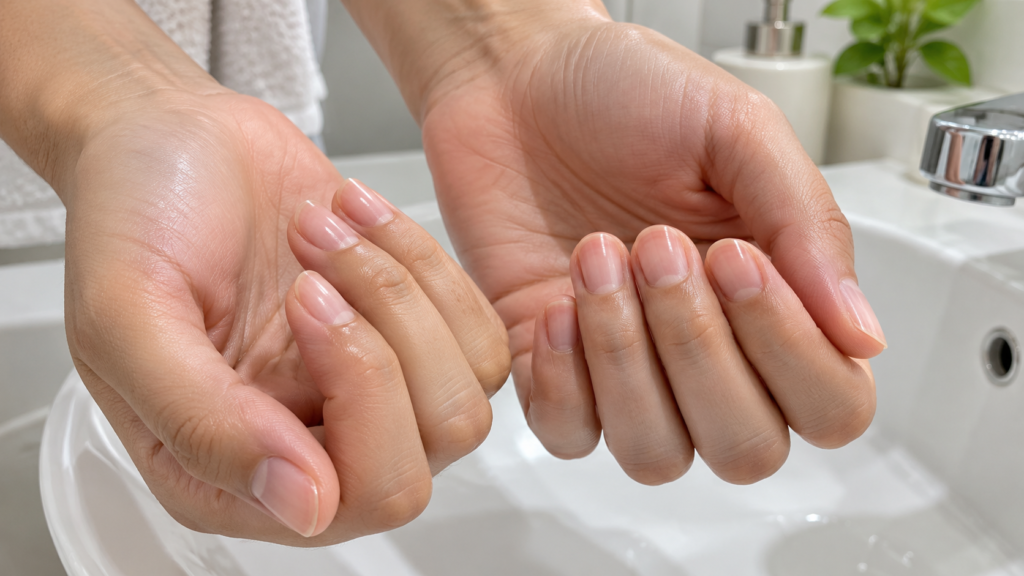
A long-lasting manicure starts with a clean nail surface. Oils, lotion, dust, and other residue can prevent polish from gripping the nail properly. Taking a moment to clean your nails before painting gives the manicure a better foundation.
This simple preparation can help your polish perform better:
- Removes oil and residue
- Creates a cleaner surface
- Helps polish adhere better
- Gives the manicure a smoother finish
After cleaning, avoid touching the nail surface too much. Even a small amount of oil from your fingers can transfer back onto the nail before you begin applying polish.
2. Never Skip a Base Coat
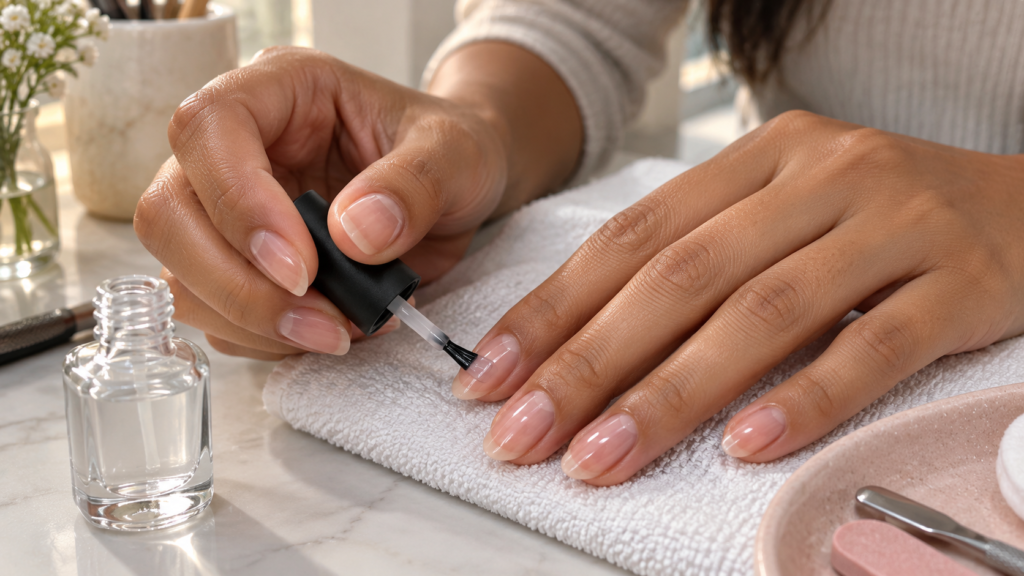
A base coat works like the foundation of your manicure. It creates a smooth layer between your natural nail and the colored polish while helping the color adhere more evenly.
Adding this extra step can provide several benefits:
- Helps polish grip the nail
- Creates a smoother base
- Helps prevent staining
- Supports longer wear
The right base coat can also make your manicure look more even. If your nails are particularly fragile, a strengthening formula can be a useful addition to your routine.
3. Apply Thin Layers of Polish
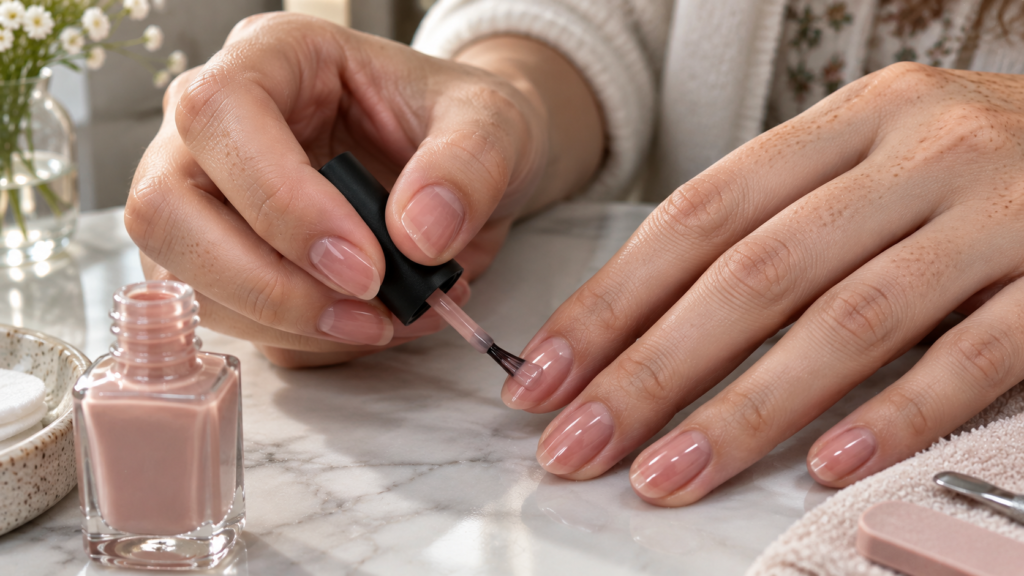
It can be tempting to apply a thick layer of polish to get full color quickly. However, thick coats can take longer to dry and may become easier to dent or chip.
Thin layers generally create a cleaner and more durable finish:
- They dry more evenly
- They reduce the chance of bubbling
- They create better polish buildup
- They help the manicure wear more smoothly
Allow each layer to settle before adding the next one. Two or three thin coats will usually give you better control than trying to cover the nail with one heavy application.
4. Seal the Nail Tips
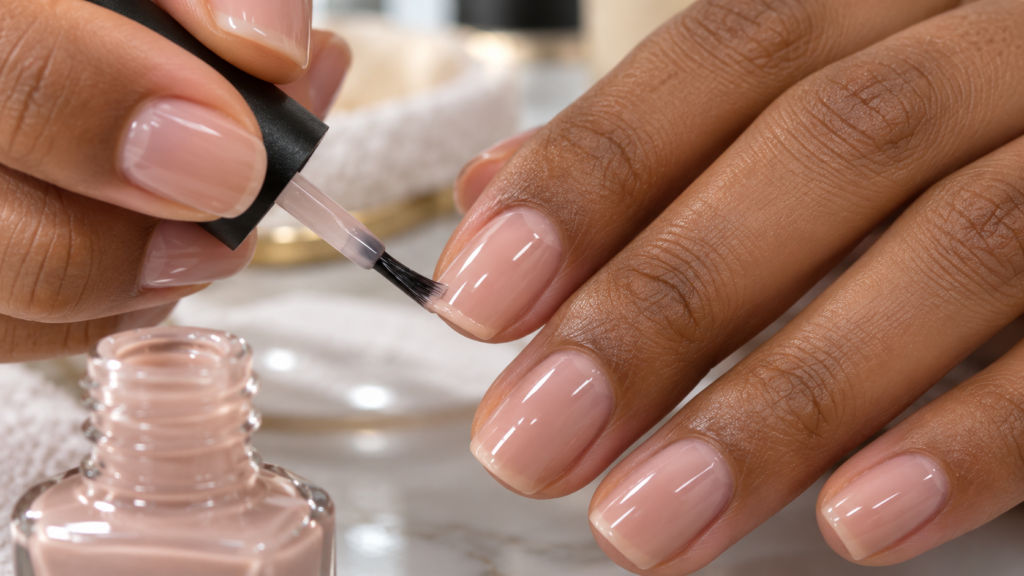
The free edge of your nail experiences plenty of contact throughout the day. It can rub against keyboards, containers, clothing, and other surfaces, which makes it more likely to chip.
Lightly sealing the tips can help protect this vulnerable area:
- Reduces early edge chipping
- Protects the nail tips
- Creates a stronger finish
- Helps color stay intact
When applying polish, gently sweep a small amount across the free edge. Finish with your top coat over the same area for an added layer of protection.
5. Finish With a Top Coat
A top coat is one of the easiest ways to protect a fresh manicure. It creates a protective layer over the polish that can help reduce scratches, dullness, and everyday wear.
A good top coat can:
- Protect the color underneath
- Add shine
- Smooth the surface
- Extend the life of the manicure
You can choose a high-gloss formula if you love shiny nails or another finish that matches your preferred style. Applying it carefully across the entire nail helps keep the manicure looking fresh.
6. Let Your Nails Dry Fully
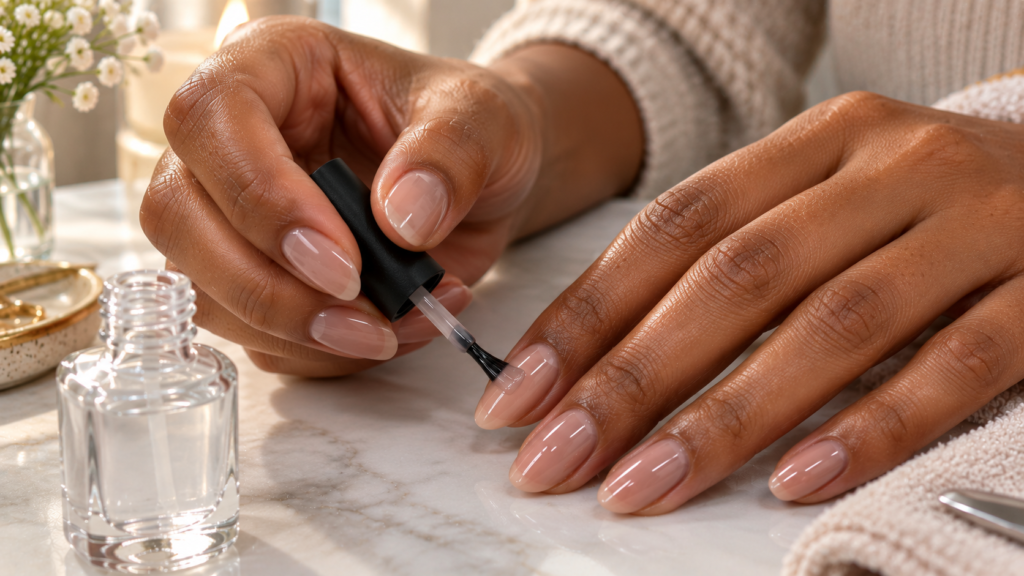
A manicure can look dry on the surface while the layers underneath are still soft. Touching things too soon can leave dents, smudges, and marks that make the polish more vulnerable.
Giving your nails enough time to set can:
- Reduce accidental smudging
- Protect the polish layers
- Improve durability
- Prevent dents and marks
Try to plan your manicure when you have some quiet time afterward. Avoid activities that require a lot of hand use until the polish has properly hardened.
7. Wear Gloves During Cleaning
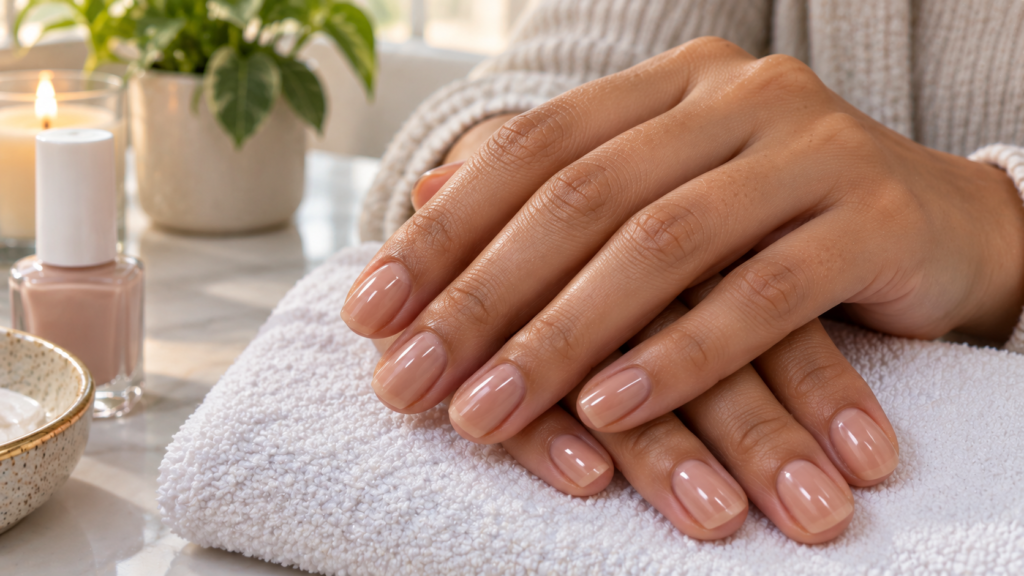
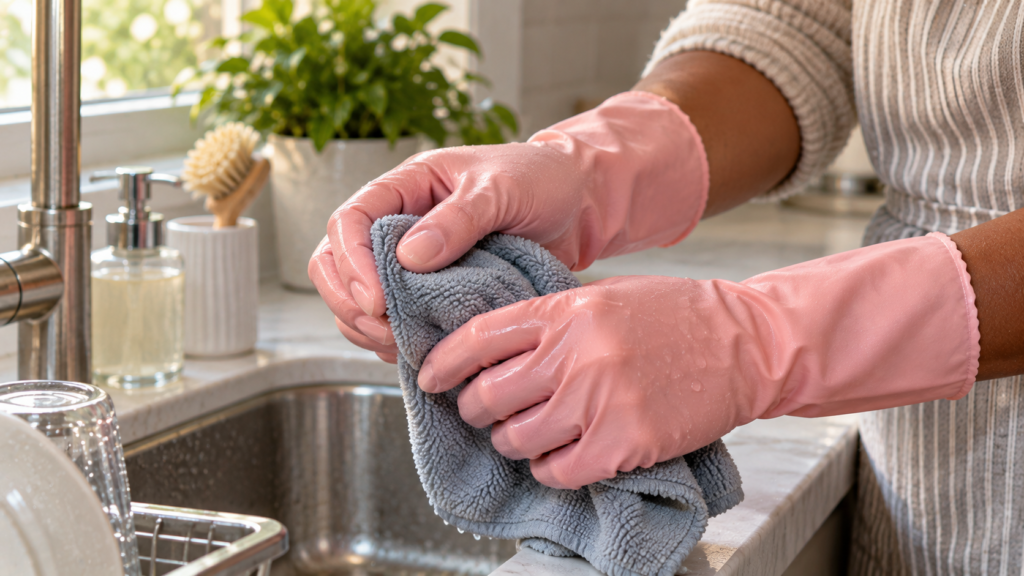
Cleaning can be surprisingly hard on a manicure. Water, soap, and household cleaning products can weaken polish and make the finish wear down more quickly.
Protective gloves can help:
- Reduce contact with cleaning products
- Limit prolonged water exposure
- Protect the nail edges
- Help preserve polish shine
Keep a comfortable pair of gloves close to your cleaning supplies so they are easy to reach. This small habit can make protecting your manicure much easier.
8. Moisturize Your Cuticles Daily
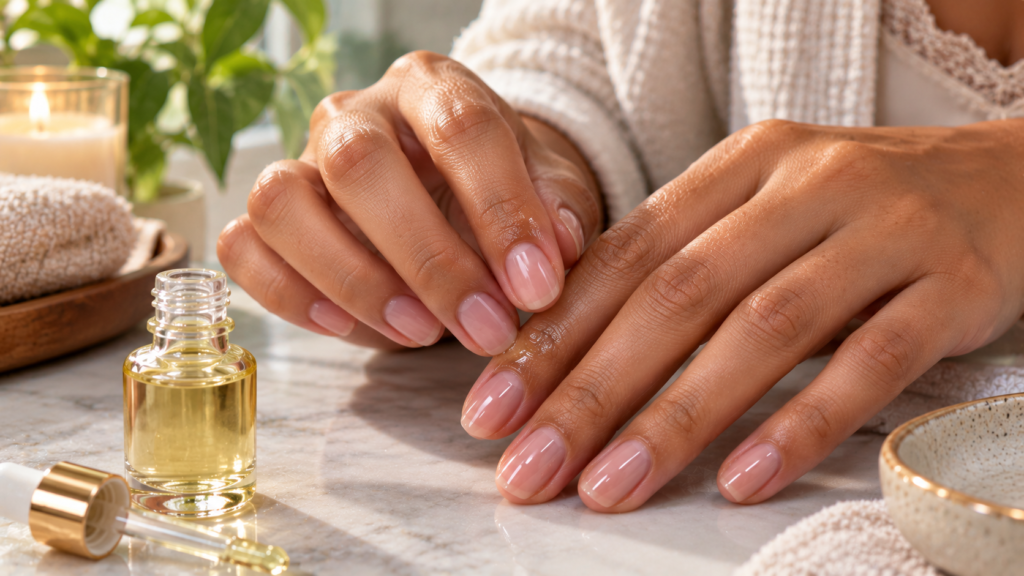
Your manicure looks better when the skin around your nails looks healthy too. Dry cuticles can make even fresh polish appear less polished, especially when the surrounding skin becomes rough or flaky.
Daily moisture can help:
- Keep cuticles soft
- Improve the appearance of your hands
- Support healthier-looking nails
- Reduce dryness around the nail
A small amount of cuticle oil can be massaged around each nail. Follow it with hand cream when your hands need additional moisture.
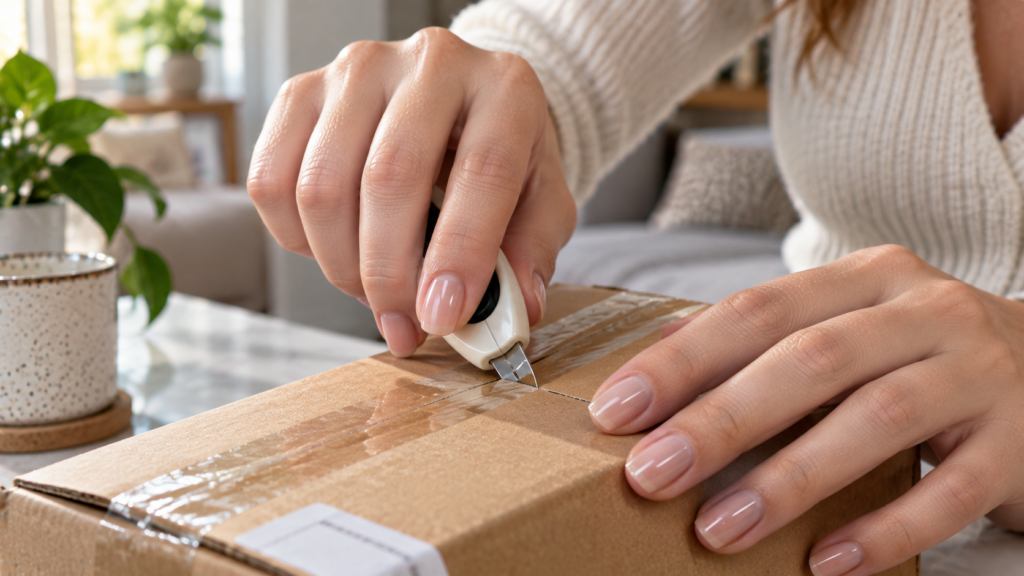
9. Avoid Using Your Nails as Tools
Your nails may seem convenient for opening packages, scratching labels, or lifting small objects, but these habits can put unnecessary pressure on both your nails and polish.
Avoiding this type of pressure can:
- Reduce chipping
- Protect nail edges
- Lower the chance of breakage
- Help preserve the manicure
Instead of using your nails, reach for an appropriate tool whenever possible. This simple change can protect your manicure during many ordinary daily tasks.
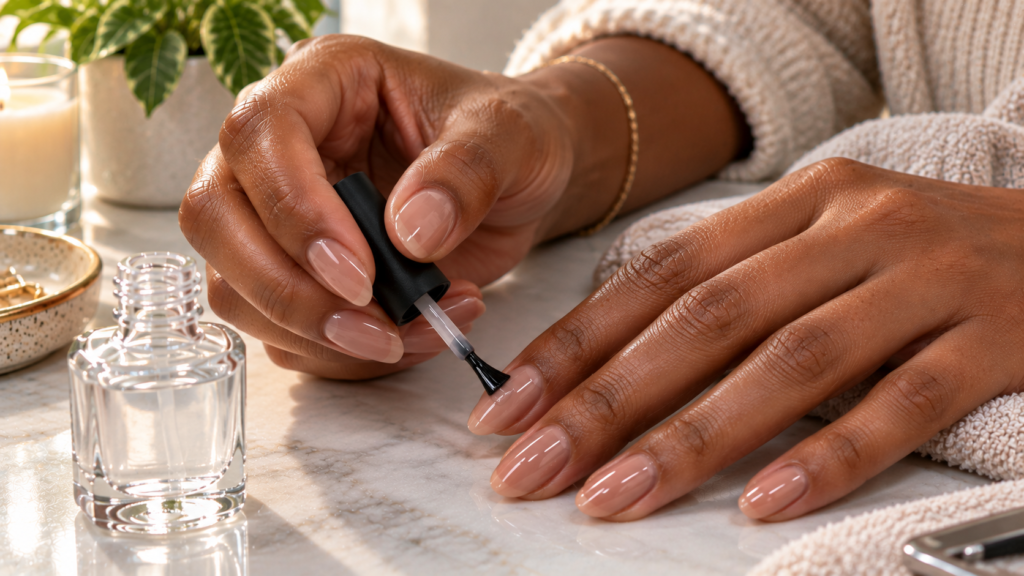
10. Refresh Your Top Coat Every Few Days
Your manicure does not have to wait until it starts looking worn before you protect it again. Adding another thin layer of top coat every few days can refresh the shine and provide additional protection.
Refreshing the top coat can:
- Restore shine
- Add another protective layer
- Reduce everyday wear
- Help prevent small chips
Apply a thin layer rather than building up too much product. This quick step can help your manicure continue looking freshly done for several more days.
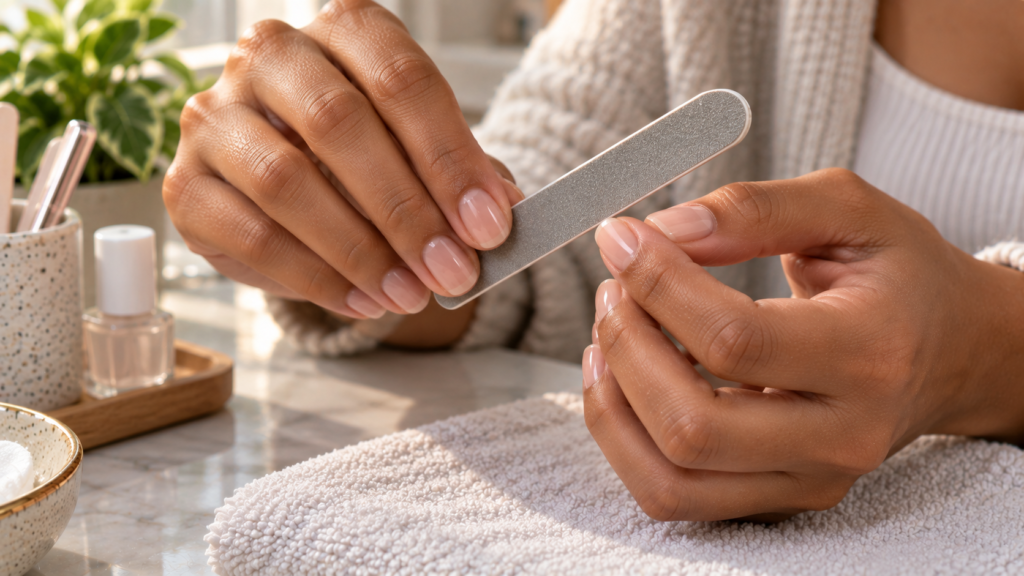
11. Shape Your Nails Before Painting
Uneven edges can catch on clothing, hair, and other objects. A small snag can then turn into a chip or broken nail, which can affect the entire manicure.
Keeping your nails neatly shaped can:
- Reduce snagging
- Smooth rough edges
- Create a cleaner appearance
- Support better polish wear
File your nails before applying polish so the edges are already smooth. Rounded and squoval shapes can be practical choices when you want a manicure that holds up well during everyday activities.
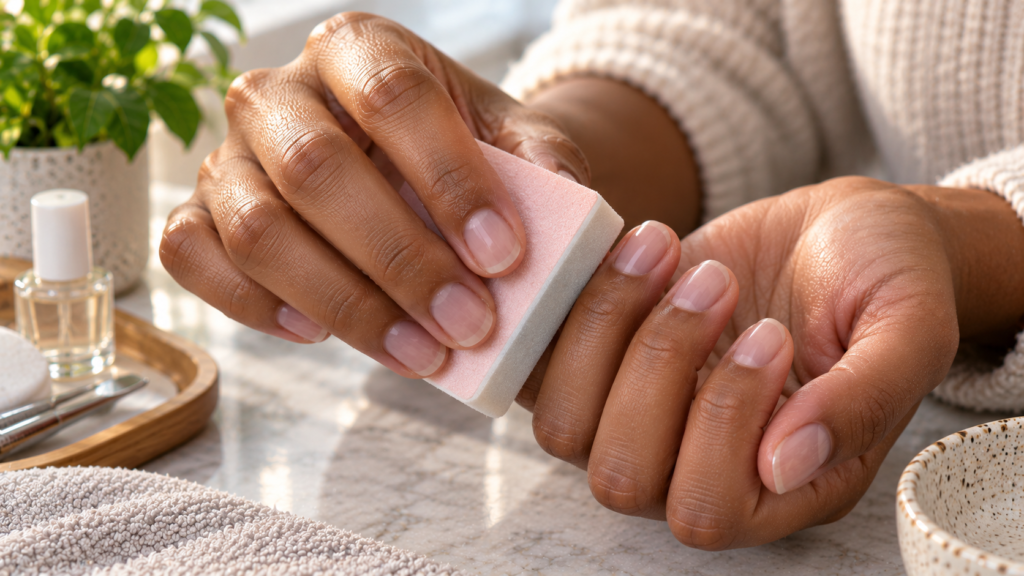
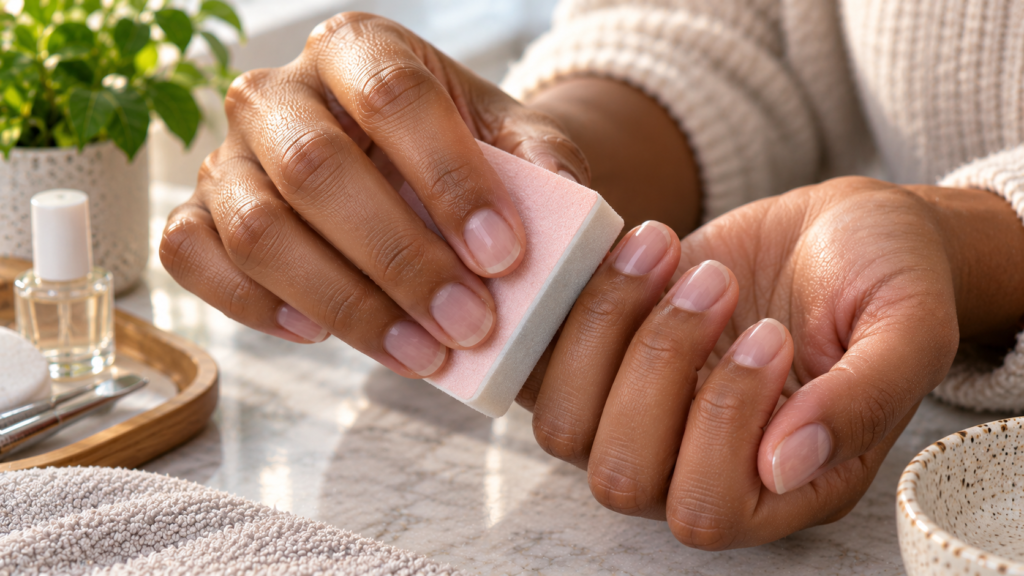
12. Buff Your Nails Gently
A gentle buff can smooth small ridges and create a more even nail surface. However, excessive buffing can make the nail thinner, so this step should always be done carefully.
Light buffing can:
- Smooth minor surface unevenness
- Help polish apply more evenly
- Improve the finished appearance
- Create a cleaner base
Use a fine-grit buffer and apply only light pressure. The goal is to smooth the surface rather than remove too much of the natural nail.
13. Choose Quality Nail Polish
The formula you use can have a major effect on how your manicure looks and wears. Some polishes apply more smoothly and provide better durability than others.
A quality formula can offer:
- More even color
- Smoother application
- Better durability
- A cleaner finish
Experimenting with different formulas can help you discover which ones work best for your nails. A good polish combined with proper preparation can make your manicure much easier to maintain.
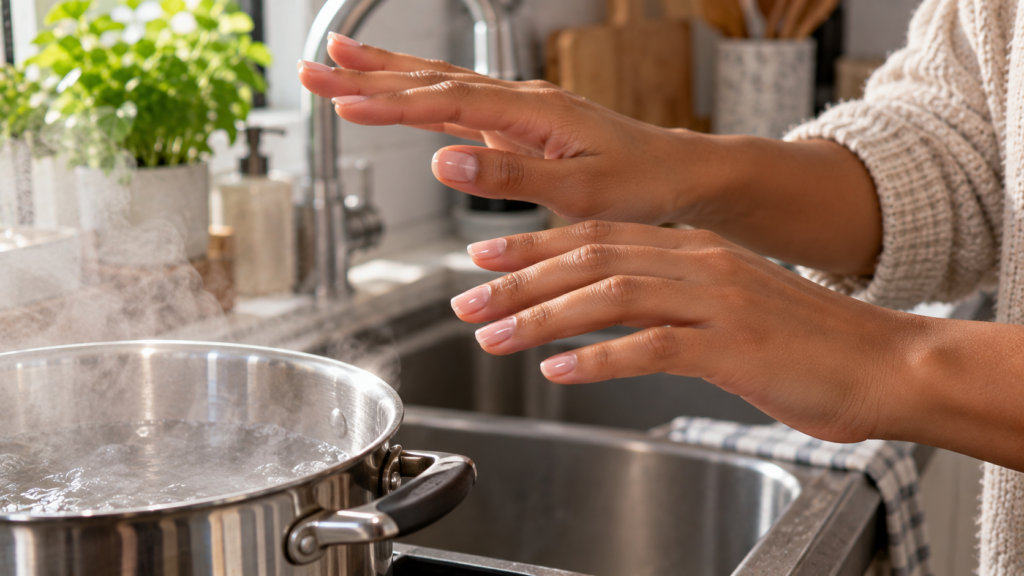
14. Keep Nails Away From Hot Water
Long periods of hot water exposure can affect the nails and polish. Activities such as lengthy baths or washing dishes without protection may cause the manicure to wear down more quickly.
Limiting hot water exposure can:
- Reduce polish lifting
- Protect the nail edges
- Support better polish adhesion
- Help maintain the finish
You do not have to avoid water completely. The goal is simply to reduce prolonged exposure and protect your nails when doing tasks that involve a lot of hot water.
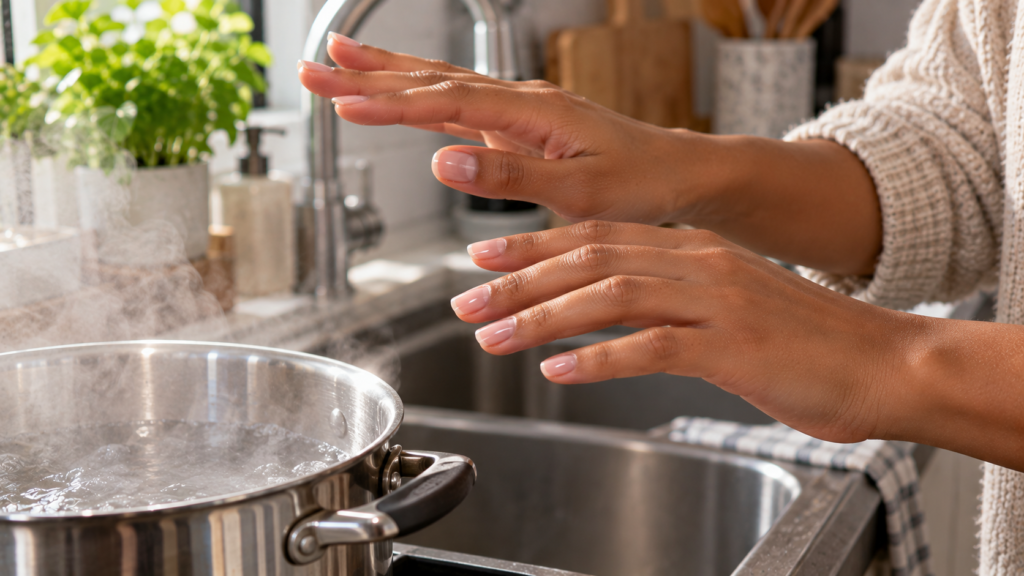
15. Wait Before Showering After a Manicure
Fresh polish needs time to harden properly. Taking a hot shower immediately after painting your nails can expose the manicure to heat and moisture before the layers have fully set.
Waiting can help:
- Protect fresh polish
- Reduce dents
- Prevent premature lifting
- Improve overall durability
Plan your manicure at a time when you do not need to shower or wash your hair immediately afterward. Giving the polish extra time to settle can make the finished result much more durable.
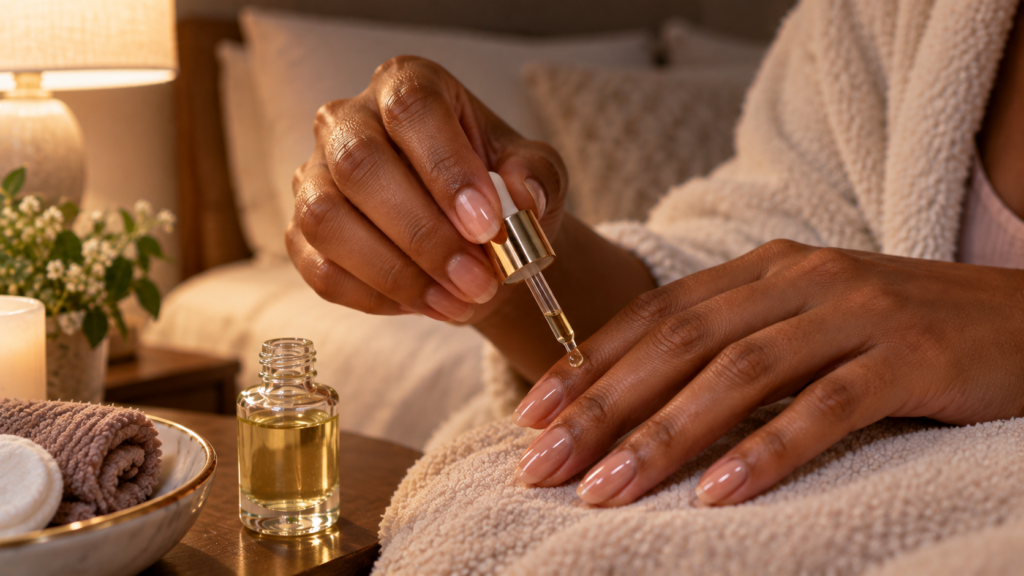
16. Use Cuticle Oil Every Night
Nighttime is an easy opportunity to give your nails some extra care. Applying cuticle oil before bed allows you to moisturize the nail area consistently without interrupting your daytime routine.
Nightly cuticle care can:
- Add moisture
- Keep cuticles softer
- Improve the appearance of your nails
- Support healthier-looking nail growth
Massage a small amount around each nail before going to sleep. Making it part of your nightly routine can help keep your hands looking neat even as your manicure begins to grow out.
17. Avoid Picking at Polish
A small chip can be annoying, but peeling or picking at the polish usually makes the situation worse. It can remove more polish than necessary and may affect the nail surface underneath.
Leaving the manicure alone can:
- Prevent small chips from becoming larger
- Protect the natural nail
- Reduce peeling
- Help preserve the remaining polish
Instead of picking at a damaged area, gently file a rough edge or touch up the affected spot. A small repair is usually much easier on your nails.
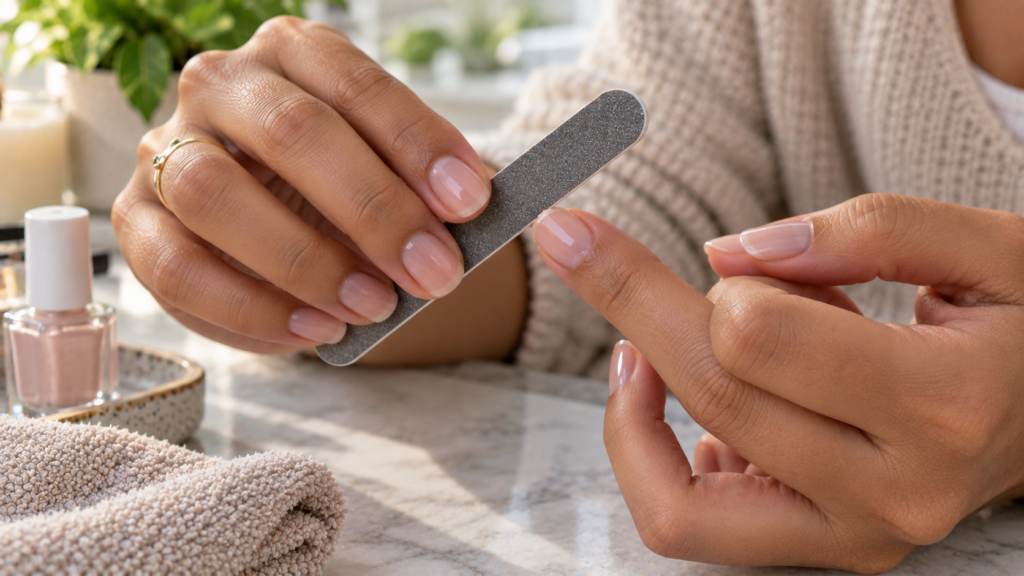
18. Keep Hand Sanitizer Use Balanced
Frequent hand sanitizer use can leave your hands and the surrounding nail area feeling dry. Keeping your skin moisturized can help your hands continue to look healthy and polished.
A balanced routine can:
- Reduce dryness
- Keep cuticles comfortable
- Improve the appearance of your hands
- Support overall nail care
Apply hand cream when your skin feels dry, especially after repeated sanitizer use. You can also use cuticle oil regularly to give the nail area extra moisture.
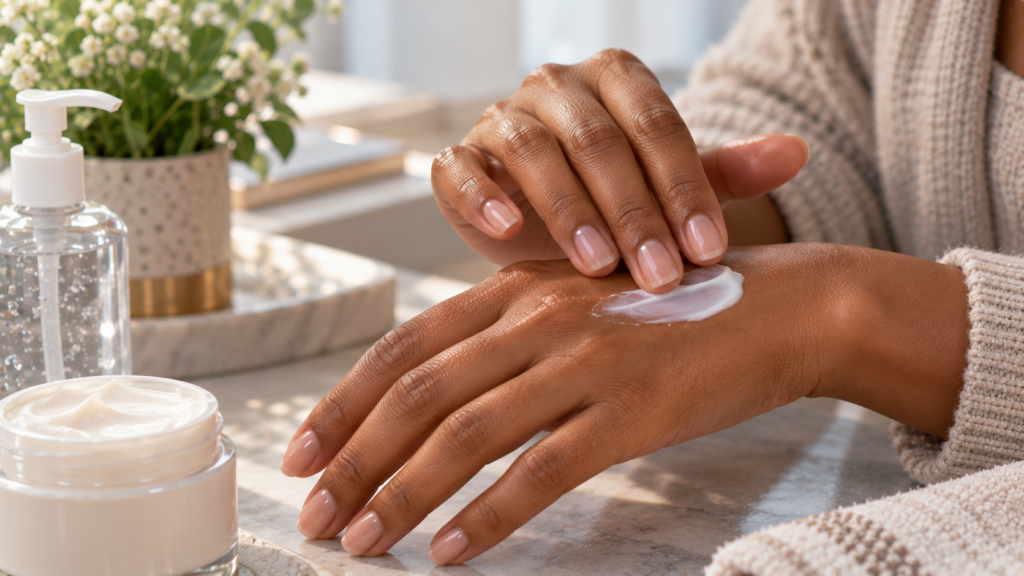
19. Choose Shorter Nails for Longer Wear
Long nails can be beautiful, but they may experience more contact with everyday objects. Shorter nails are often easier to manage and can reduce the amount of stress placed on the nail tips.
Shorter nails can provide:
- Less pressure on the tips
- Easier everyday maintenance
- Lower risk of accidental breakage
- A practical polished appearance
A short oval, rounded, or squoval shape can look clean while being easy to maintain. Choosing a comfortable length can make your manicure more practical for your daily routine.
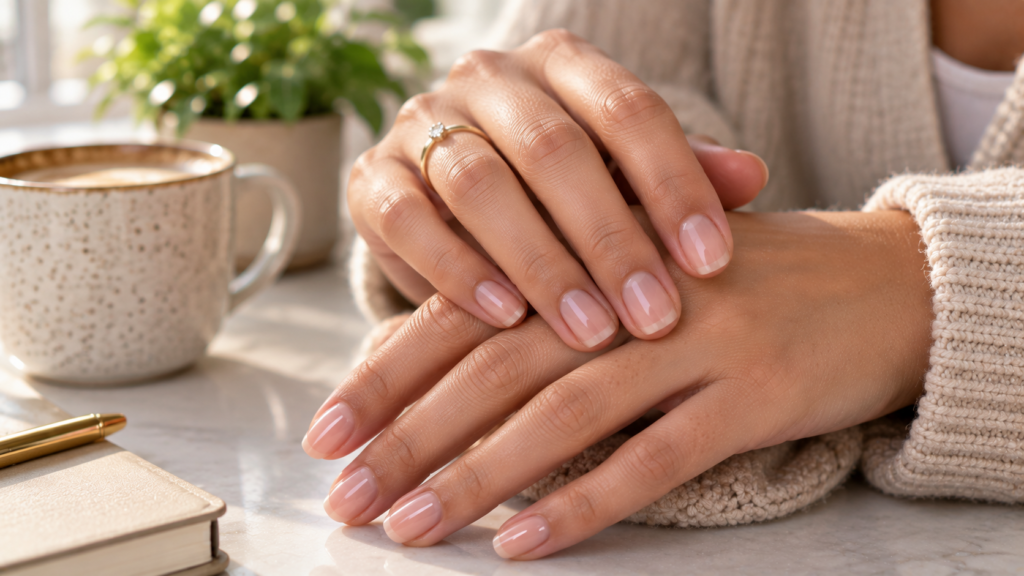
20. Store Nail Polish Properly
The way you store your nail polish can affect its condition over time. Heat and direct sunlight can change the formula, making application less smooth.
Proper storage can:
- Help preserve the formula
- Support smoother application
- Keep polish easier to use
- Reduce changes in texture
Store your polish in a cool, dry place away from direct sunlight. Keeping bottles upright and tightly closed can also help maintain their condition between uses.
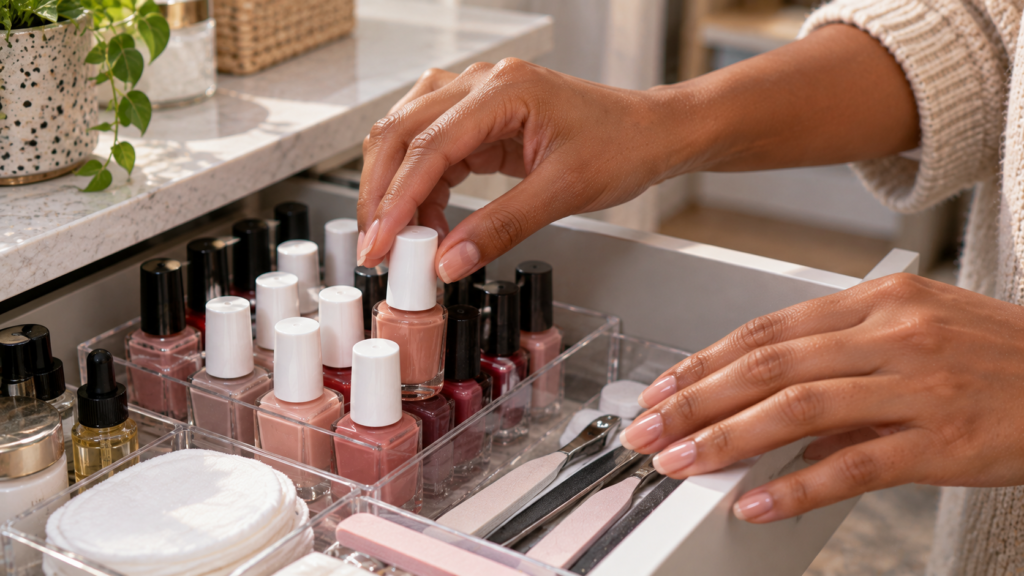
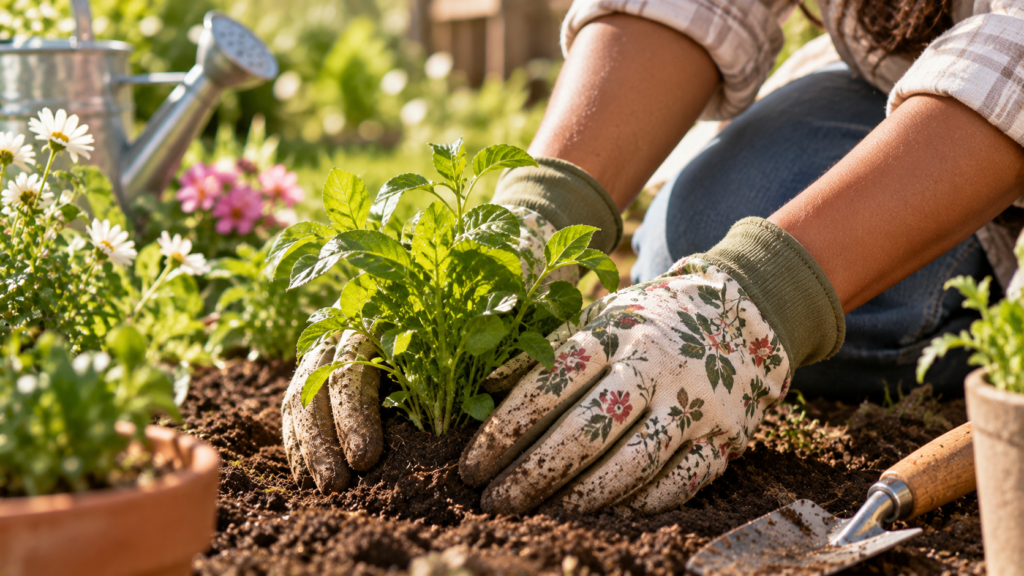
21. Protect Nails During Gardening
Gardening involves dirt, water, tools, and repeated hand movements, all of which can be tough on a manicure. Even a short gardening session can leave polish scratched or worn around the edges.
Wearing gloves can:
- Protect nail edges
- Reduce scratches
- Limit dirt and moisture exposure
- Help preserve polish
Choose gloves that fit comfortably so you can move your hands easily. Keeping them near your gardening supplies makes it easier to remember this protective step.
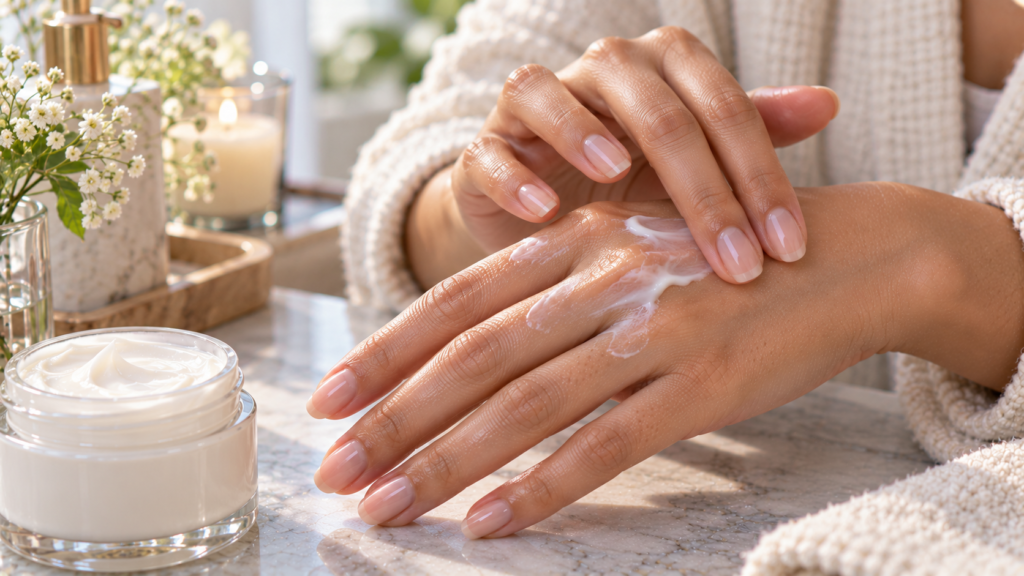
22. Use Hand Cream Throughout the Day
Dry hands can make an otherwise beautiful manicure look less fresh. Regular hand cream keeps the surrounding skin soft and helps your hands look well cared for.
Regular moisturizing can:
- Improve skin softness
- Reduce dry cuticles
- Enhance the overall manicure appearance
- Support healthier-looking hands
Applying hand cream after washing your hands is an easy habit to build. Focus a little extra product around the fingers and cuticles where dryness often appears first.
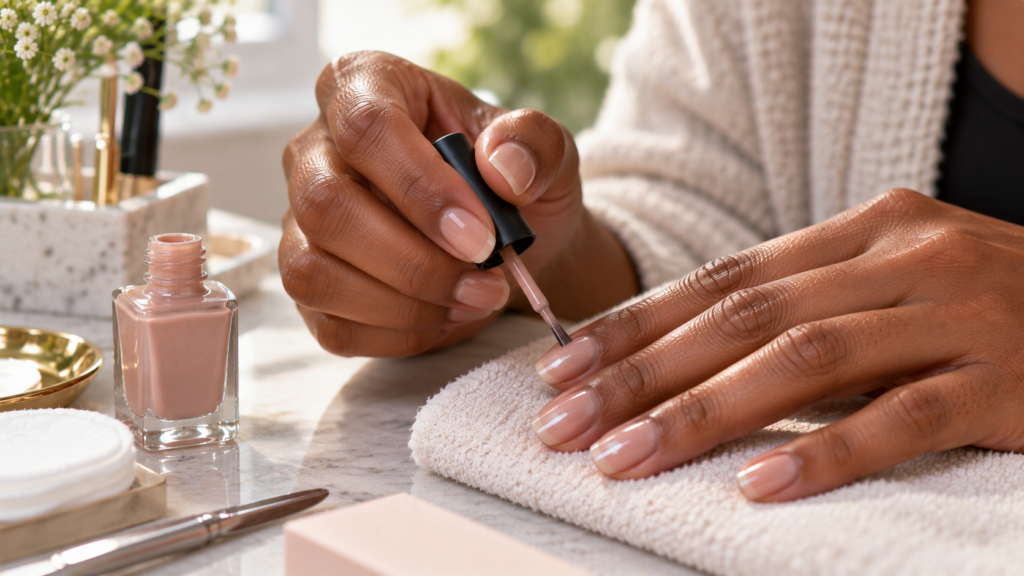
23. Touch Up Small Chips Quickly
A tiny chip does not always mean you need to remove the entire manicure. Repairing it early can prevent the damaged area from becoming larger.
Quick touch-ups can:
- Extend the life of your manicure
- Prevent chips from spreading
- Keep the nails looking neat
- Reduce the need for a full repaint
Use a small amount of matching polish over the damaged area and allow it to dry. A thin layer of top coat can then help blend the repair with the rest of the manicure.
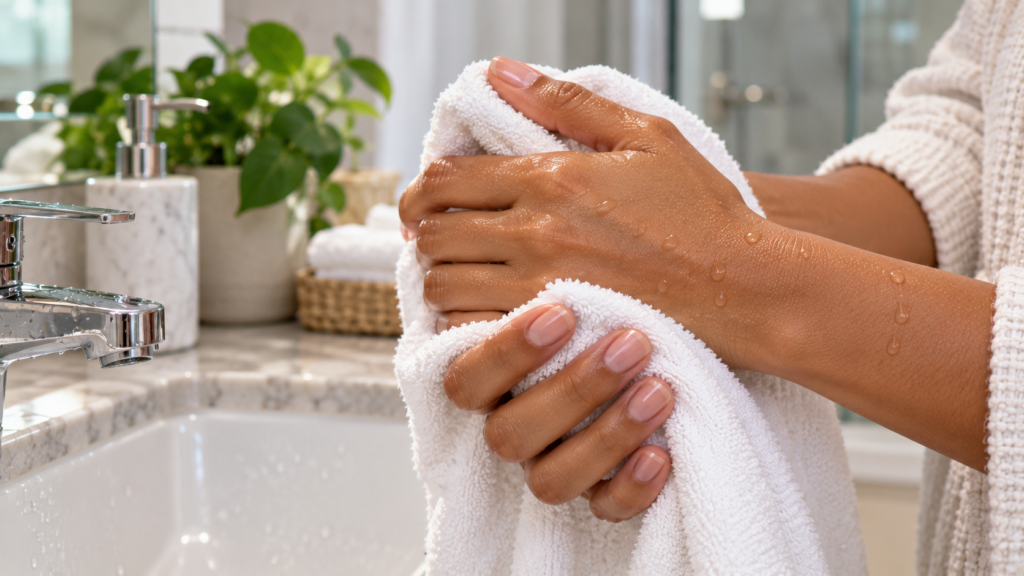
24. Keep Nails Dry After Washing Your Hands
Washing your hands is essential, but leaving excess moisture around the nails can contribute to wear. Taking a moment to dry your hands properly can help protect the manicure.
Thorough drying can:
- Reduce excess moisture
- Protect the nail edges
- Keep the surrounding skin comfortable
- Help the manicure stay neat
Use a soft towel and gently dry around your fingertips. Pay attention to the spaces around the nails instead of leaving them damp after washing.
25. Avoid Harsh Nail Products
Some nail products can be drying or rough on the nails. Choosing gentler products can help maintain the condition of your natural nails, which gives future manicures a better foundation.
Gentler nail care can:
- Support healthier-looking nails
- Reduce dryness
- Help maintain nail strength
- Improve the overall appearance of your manicure
Pay attention to how your nails respond to different products. If a formula repeatedly leaves your nails feeling dry or weak, consider switching to a gentler option.
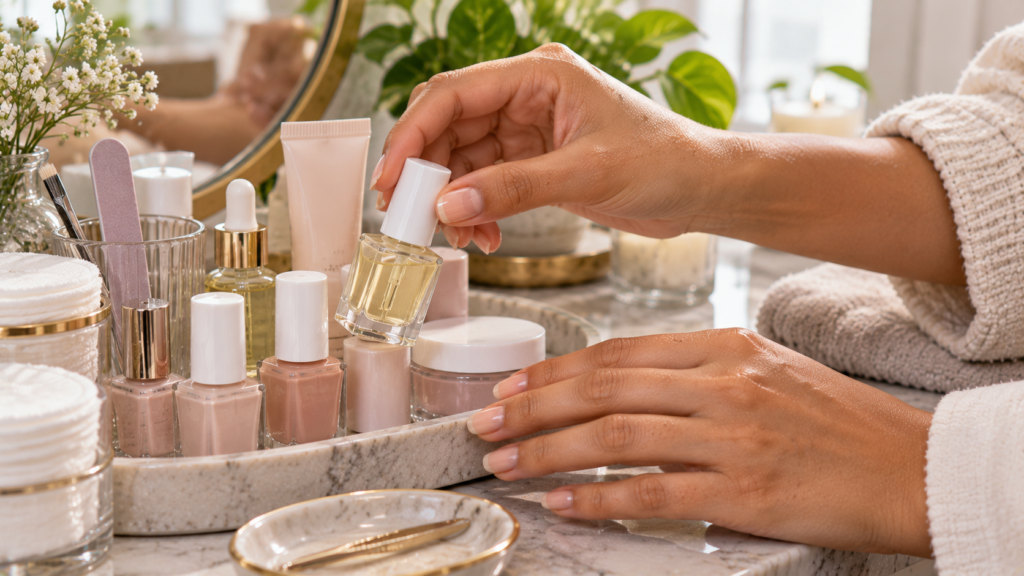
26. Give Your Nails Regular Care Between Manicures
Nail care should not stop when your polish comes off. The condition of your natural nails affects how your next manicure looks and wears.
Regular care can:
- Maintain smoother nails
- Support healthier-looking growth
- Create a better base for polish
- Keep hands looking neat
Give your nails some attention between manicures by keeping them shaped, moisturized, and clean. Consistent care can make future polish applications look smoother and more even.
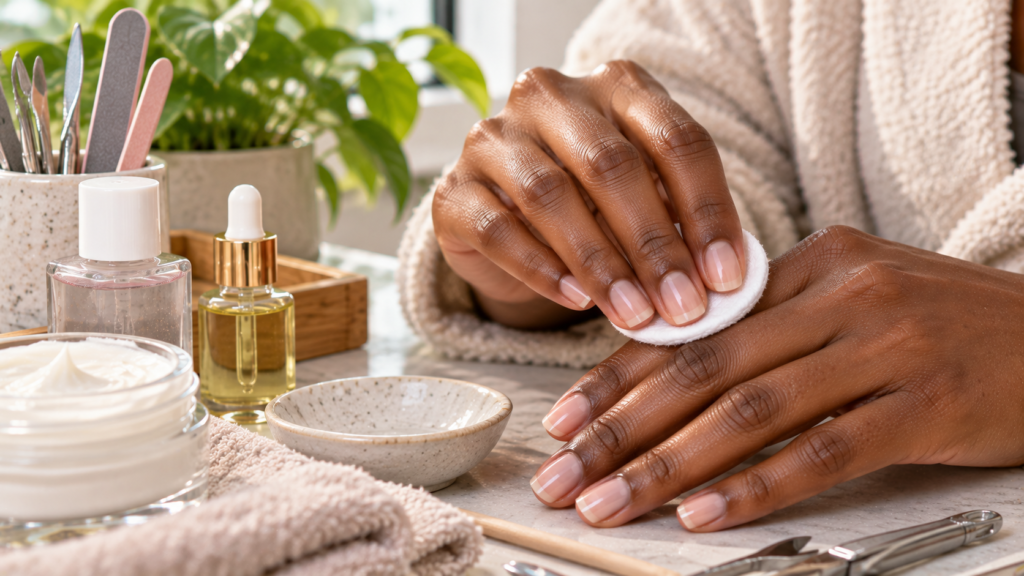
27. Use Strengthening Treatments When Needed
If your nails are weak or prone to breaking, a strengthening treatment may help support their condition. Stronger nails can provide a better foundation for a long-lasting manicure.
Strengthening care can:
- Support nail strength
- Reduce breakage
- Help protect weak edges
- Improve the manicure foundation
Use treatments according to their directions rather than applying more product than recommended. Consistent care is generally more useful than trying to fix weak nails overnight.
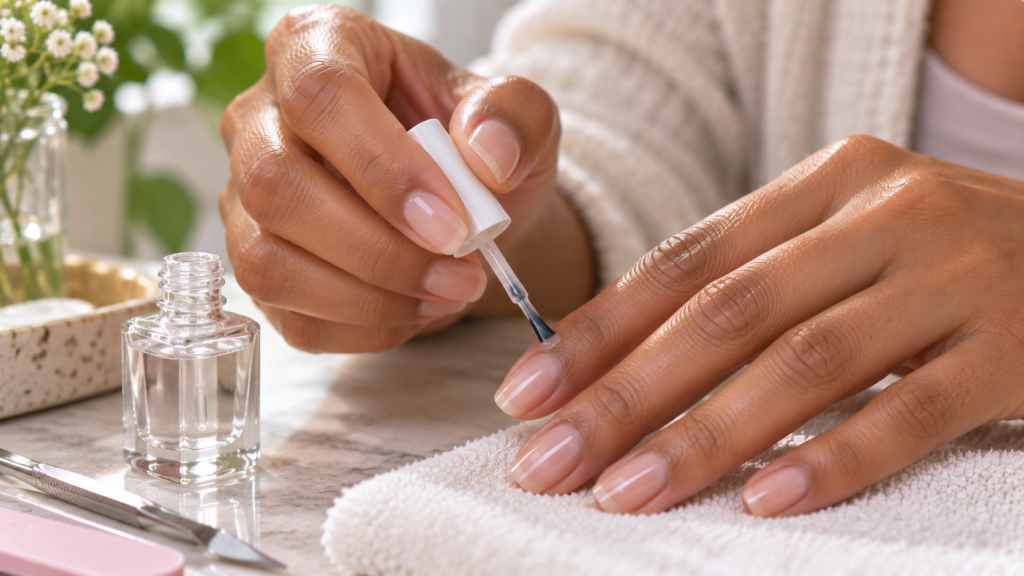
28. Avoid Excessive Nail Biting
Nail biting can damage the nail edges and make it harder to maintain a neat manicure. It can also cause polish to chip more quickly when the nail is repeatedly placed under pressure.
Avoiding the habit can:
- Preserve your nail shape
- Reduce polish damage
- Protect the nail edges
- Support healthier-looking nails
Keeping your nails moisturized and neatly shaped can make them feel more comfortable and attractive. Over time, protecting the natural nail can make manicures look much cleaner.
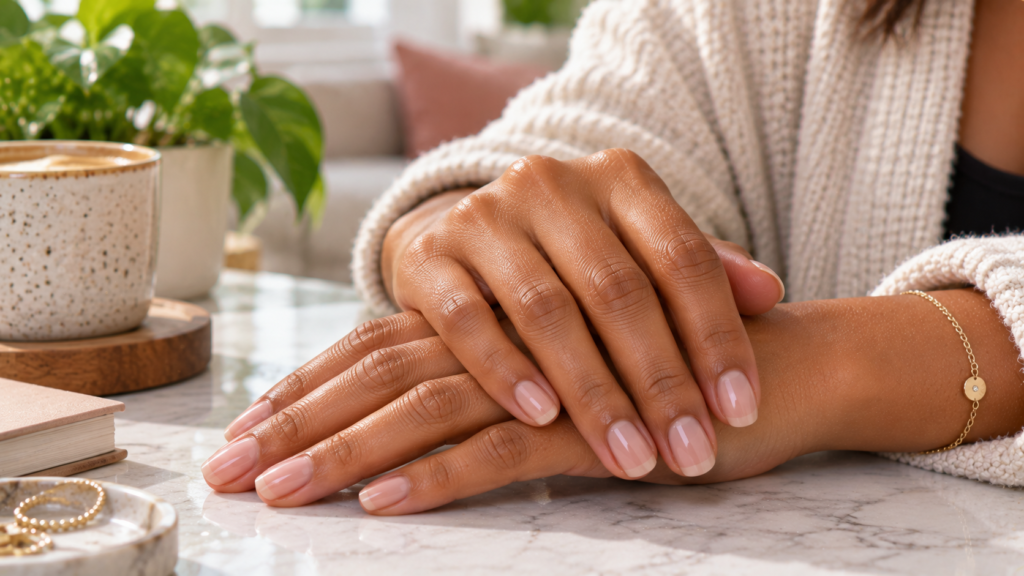
29. Reapply Top Coat Before Events
If your manicure still looks good but has started to lose some shine, a fresh layer of top coat can give it a quick refresh. This is especially useful before a dinner, party, or other special occasion.
A fresh top coat can:
- Restore shine
- Smooth the surface
- Add extra protection
- Make the manicure look newer
Apply a thin, even layer and allow it to dry properly. Adding cuticle oil afterward can also help the hands look more polished and well cared for.
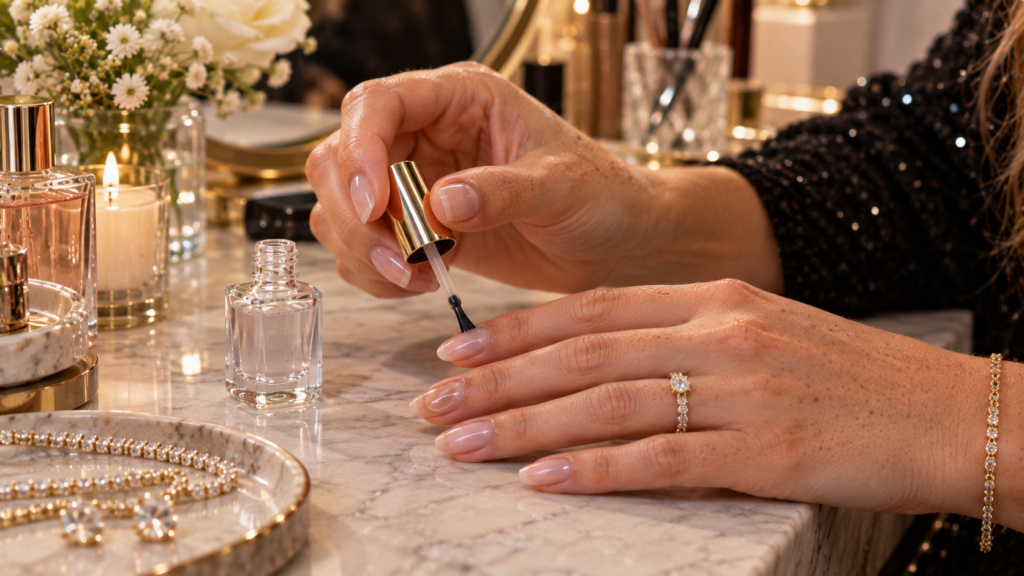
30. Make Nail Care Part of Your Routine
The secret to a long-lasting manicure is often consistency rather than one special product. Regular care helps protect your polish while also keeping your natural nails in better condition.
A simple routine can:
- Support healthier-looking nails
- Reduce everyday manicure damage
- Improve polish longevity
- Keep your hands looking polished
You do not need to spend a lot of time on nail care every day. Cleaning your nails properly, moisturizing your cuticles, protecting your hands, and treating small chips early can all add up to a much longer-lasting manicure.
Frequently Asked Questions
How can I make my manicure last longer?
Start with clean nails, apply a base coat, use thin layers of polish, seal the tips, and finish with a quality top coat. Protecting your hands from excessive water and cleaning products can also help.
Why does my nail polish chip so quickly?
Polish may chip quickly because of thick application, poor nail preparation, excessive water exposure, or using your nails as tools. Applying polish correctly and protecting your hands can improve wear.
Does a base coat really help polish last longer?
Yes. A base coat creates a better surface for polish to adhere to and can also help prevent staining from certain nail colors.
How many coats of nail polish should I use?
Two or three thin coats are usually better than one thick coat. Thin layers dry more evenly and can create a smoother, more durable finish.
How often should I reapply top coat?
Adding a thin layer every few days can help refresh shine and provide additional protection as your manicure experiences daily wear.
Does hot water make nail polish chip faster?
Prolonged exposure to hot water may contribute to polish lifting and wear. Limiting long periods of hot water exposure can help protect your manicure.
Should I use cuticle oil every day?
Daily cuticle oil can help keep the skin around your nails moisturized and looking healthy. Applying it at night is an easy way to make it part of your routine.
Are shorter nails easier to maintain?
Shorter nails are often easier to manage during everyday activities and may experience less stress at the tips, which can help reduce breakage and chips.
How can I fix a small chip without removing my whole manicure?
Apply a small amount of matching polish to the chipped area, allow it to dry, and finish with a thin layer of top coat. Repairing chips early can help keep the rest of the manicure intact.
Wrap Up
A long-lasting manicure does not require a complicated routine. Simple habits such as starting with clean nails, using thin polish layers, protecting your hands, moisturizing your cuticles, and refreshing your top coat can make a noticeable difference.
The way you treat your nails between manicures also matters. Avoiding unnecessary pressure, reducing prolonged water exposure, and repairing small chips early can help keep your manicure looking fresh for longer.
Save these tips and make them part of your regular nail care routine. With a little consistency, you can enjoy beautiful, shiny, well-kept nails for more days without constantly starting over.