
A stylish and clutter free home does not mean you need expensive furniture, perfect decorations, or a huge house. In many cases, a home looks more beautiful when everything has a purpose and there is enough open space to move around comfortably.
Too many things on shelves, tables, counters, and floors can make even a beautiful room feel busy and the best part is that you do not need to change your entire home in one day.
Small changes can make rooms easier to use, easier to clean, and more relaxing. Simple storage ideas and daily habits can also help you keep clutter from coming back.
In this article, we have covered 27 elegant ways to keep your space stylish and clutter free for a calm and beautiful home.
1. Start With One Room
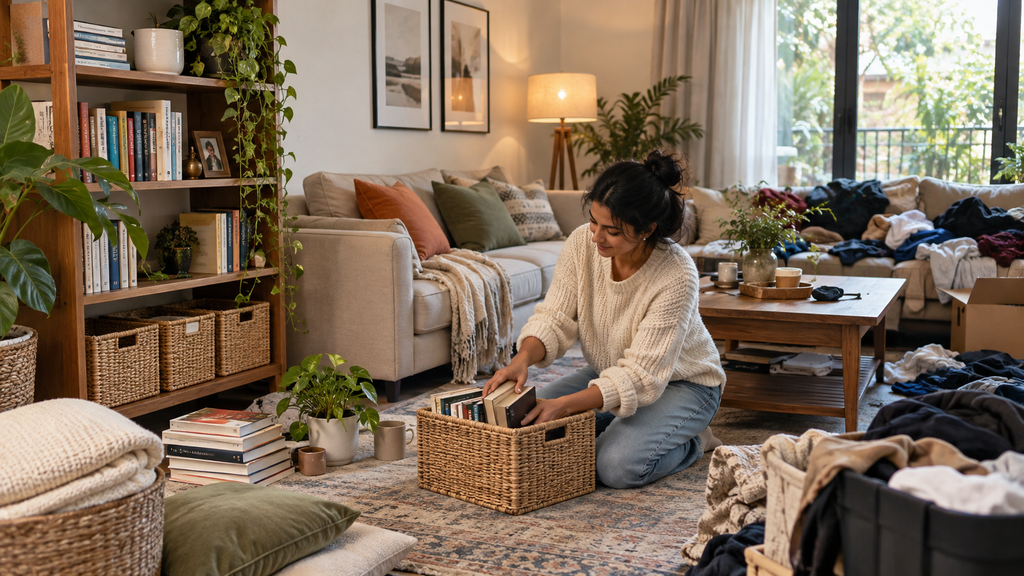
Trying to organise your entire home at the same time can quickly become stressful. Instead, choose one room and give it your full attention. Starting small makes the process easier because you can clearly see what needs to change. Choose a room that you use often, such as the living room, bedroom, or kitchen. Remove things that do not belong there and decide where the useful items should stay.
This approach can help you create visible progress without feeling overwhelmed.
- Makes organising easier.
- Reduces stress.
- Helps you make better decisions.
- Gives you quick results.
Once one room feels clean and comfortable, use the same method in another room. Working slowly can make the entire process much easier to maintain.
2. Choose Quality Over Quantity
A stylish home does not need a large number of decorative pieces. In fact, too many items can make a room feel crowded and make beautiful pieces less noticeable. Instead of buying or keeping everything you like, focus on items that are useful, meaningful, or genuinely fit your decorating style.
This does not mean your home needs to look empty. You can still have artwork, plants, books, cushions, and personal decorations. The goal is simply to choose them carefully.
- Keeps rooms visually cleaner.
- Makes important pieces stand out.
- Reduces unnecessary cleaning.
- Creates a more thoughtful appearance.
Before adding something new, think about whether it has a clear purpose. If it does not, you may not need to bring it into the room.
3. Keep Flat Surfaces Clear
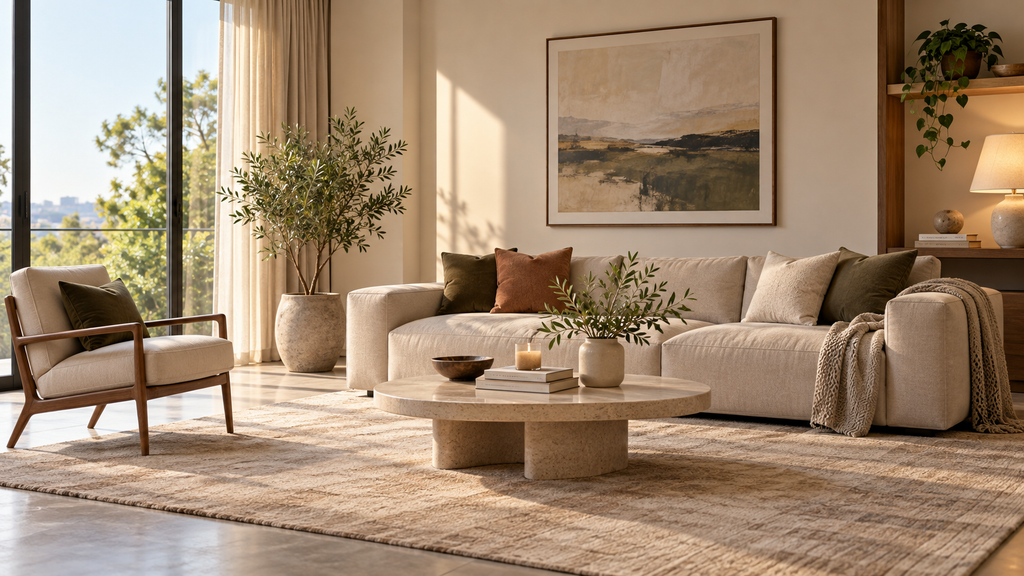
Flat surfaces such as kitchen counters, coffee tables, desks, and bedside tables can collect clutter very quickly. Small objects often get placed there temporarily and then remain for days. Keeping these areas mostly clear can make your home look more organised almost immediately.
You do not have to remove everything. Keep only the items that are useful or intentionally displayed. For example, a coffee table may only need a small tray, a candle, or a decorative object.
- Makes rooms look cleaner.
- Creates more visual space.
- Makes cleaning faster.
- Prevents small clutter from growing.
Spend a few minutes each evening checking these surfaces. Put away anything that does not belong there. This simple habit can make a noticeable difference without requiring a major cleaning session.
4. Choose Stylish Storage
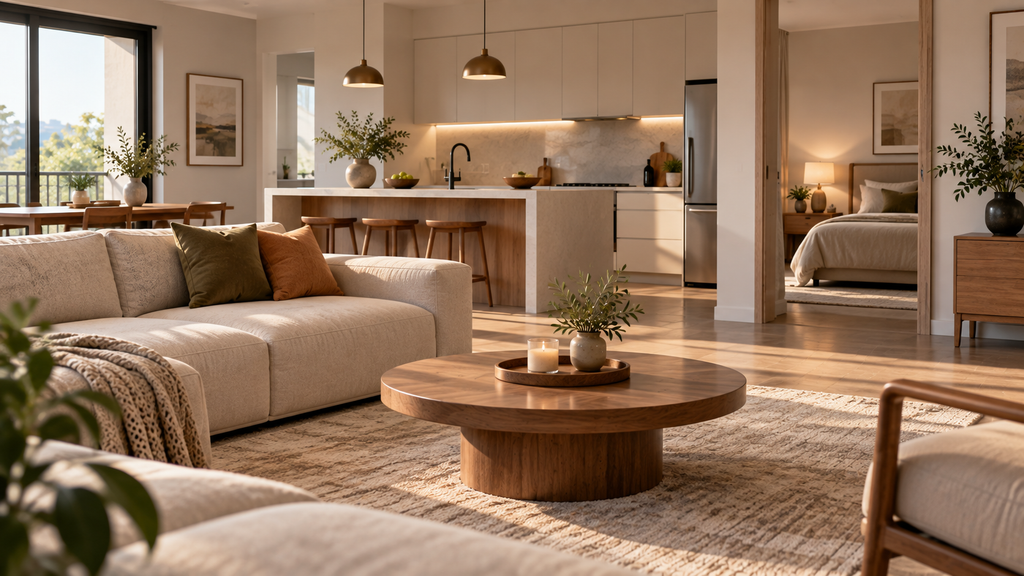
Storage is one of the easiest ways to control clutter, but it should also work with the style of your home. Plain storage containers can be useful, but attractive baskets, boxes, bins, and cabinets can make organisation look intentional.
For example, woven baskets can add warmth to a living room, while simple fabric bins can work well inside bedrooms and closets. Closed cabinets are useful when you want to hide items that you use often but do not want to display.
- Hides everyday clutter.
- Keeps belongings organised.
- Adds texture to a room.
- Makes storage look intentional.
Choose storage that matches the colours and materials already present in the room. When storage blends with your décor, it becomes part of the design instead of looking like an extra item.
5. Give Everyday Items a Home
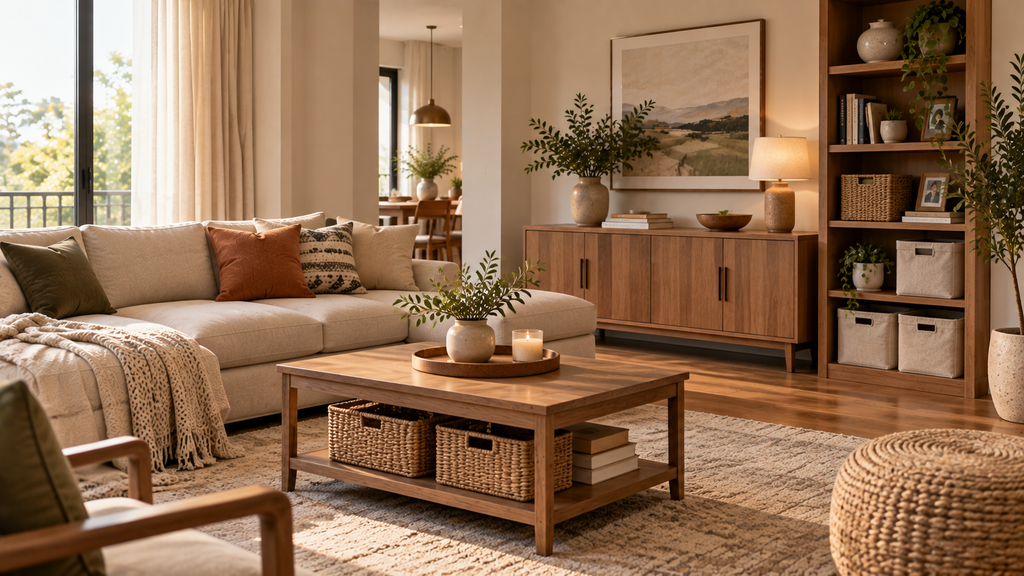
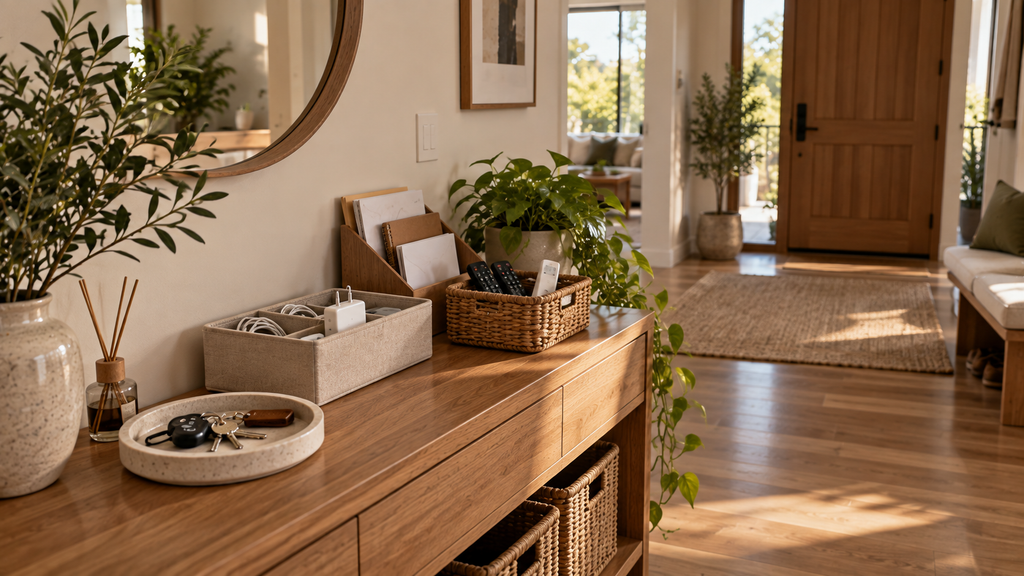
Many clutter problems happen because everyday items do not have a specific place to go. Keys may end up on the kitchen counter, chargers may stay beside the sofa, and paperwork may collect on the dining table. Giving these items a permanent home can make your daily routine much easier.
The storage location should also be convenient. If something is difficult to put away, you may stop using the system.
- Give keys a dedicated tray or hook.
- Keep chargers together.
- Store paperwork in one place.
- Keep remotes in a small container.
Start with the items that create the most clutter in your home. Once everyone knows where these belongings should go, keeping the room tidy becomes much easier.
6. Decorate With Purpose
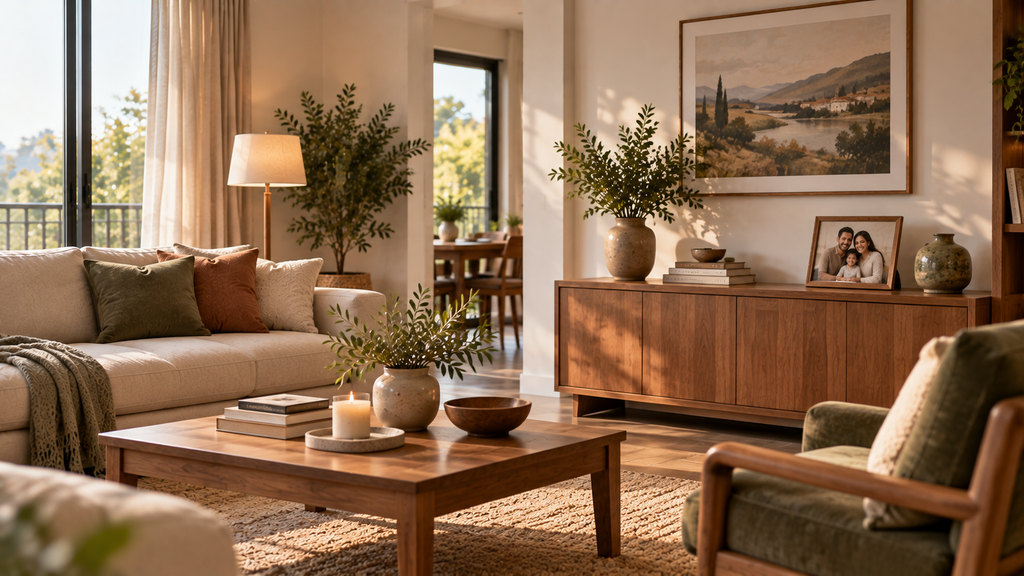
Decorating your home should be about creating a space that reflects your personality without making the room feel crowded. You do not need to display every gift, photograph, souvenir, or decorative object you own.
Choose pieces that have meaning or work well with your existing décor. A framed family photograph, a favourite vase, or a few carefully selected books can add personality without creating visual clutter.
- Use meaningful artwork.
- Display favourite photographs.
- Keep special souvenirs.
- Choose décor that suits the room.
Before placing a decorative item somewhere, look at the whole area. If several objects already compete for attention, removing one may improve the arrangement more than adding another.
7. Follow the One In, One Out Rule
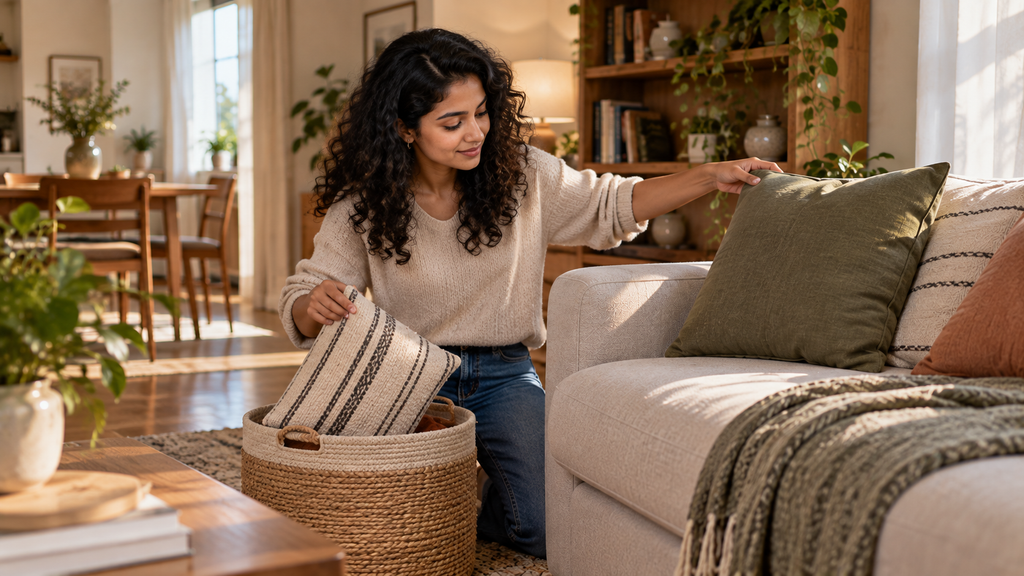
The one in, one out rule is a simple way to prevent clutter from slowly taking over your home. When you bring a new item into a category, consider removing an older item from the same category.
For example, if you buy a new decorative cushion, you might remove one that you no longer use. The same idea can work for clothing, beauty products, kitchen items, and accessories.
- Prevents collections from growing too large.
- Encourages thoughtful shopping.
- Keeps storage manageable.
- Makes decluttering easier.
You do not have to follow this rule perfectly for every purchase. Start with one category that often becomes cluttered. Over time, this small habit can help you stay more aware of how many things you actually own.
8. Use Vertical Storage
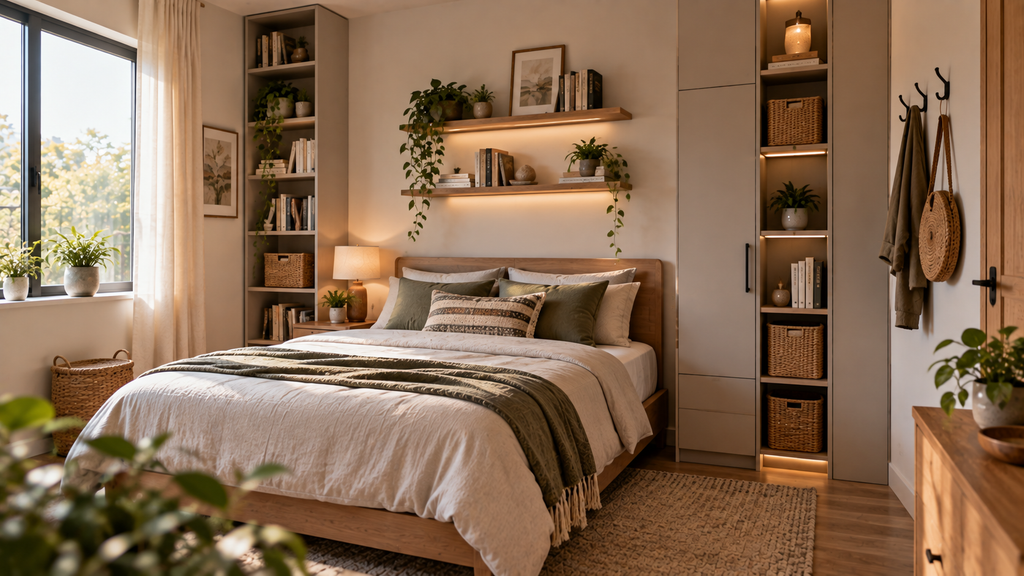
When floor space is limited, look at your walls. Vertical storage can help you organise belongings without taking up much floor area. Floating shelves, tall bookcases, wall hooks, and vertical cabinets can all provide useful storage.
This approach works particularly well in smaller bedrooms, kitchens, bathrooms, and entryways. However, vertical storage should still be kept organised. Filling every shelf with objects can create a new form of visual clutter.
- Saves valuable floor space.
- Provides additional storage.
- Works well in small rooms.
- Keeps useful items accessible.
Leave some empty space between stored items. This gives the wall a lighter appearance and allows your favourite pieces to stand out instead of getting lost among too many objects.
9. Keep Open Shelves Simple
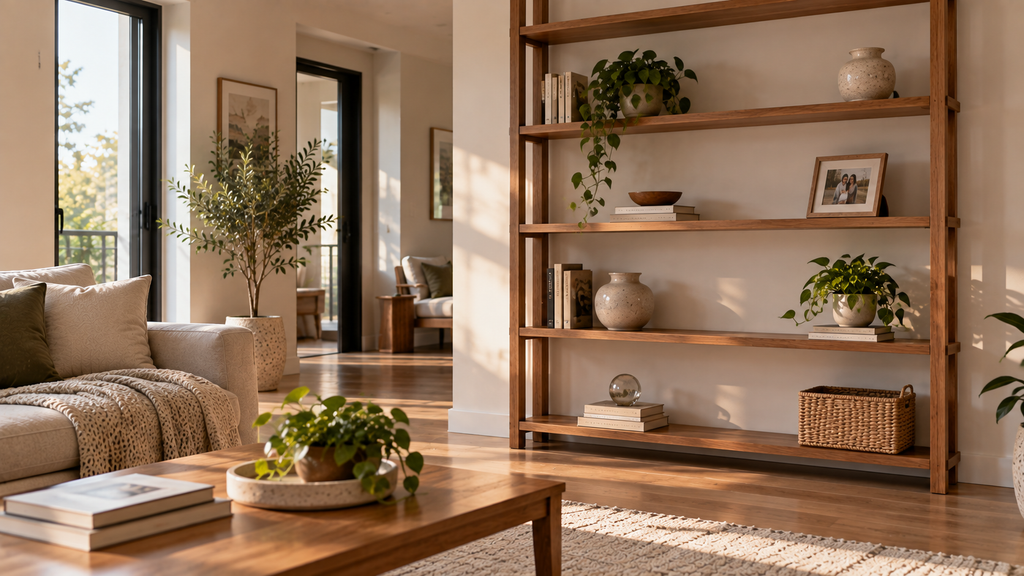
Open shelves can make a room look beautiful, but they can also become one of the easiest places to collect clutter. Because everything is visible, even a few extra objects can make the entire shelf look messy.
Choose a small number of items that work well together. You can combine books, plants, framed photographs, and decorative objects while leaving some open space around them.
- Creates visual breathing room.
- Makes favourite objects stand out.
- Keeps shelves easier to clean.
- Gives the room a calmer appearance.
If your shelves currently look crowded, remove several items and look at the arrangement again. You may discover that the pieces you kept look better when they have more space around them.
10. Create a Daily Reset
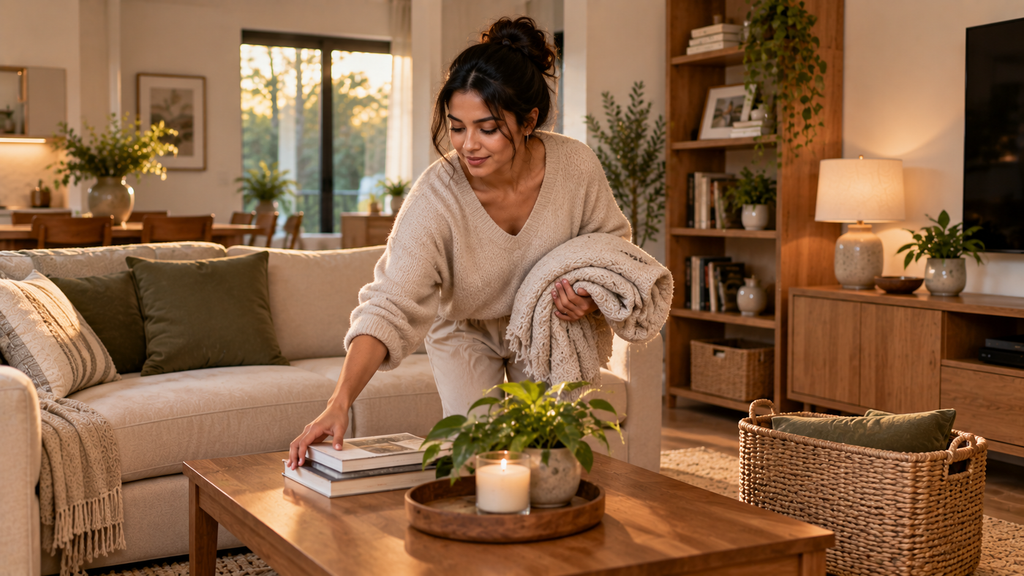
A daily reset is a simple routine that helps your home stay organised without requiring hours of cleaning. Instead of waiting until clutter becomes overwhelming, spend a few minutes putting things back where they belong.
You can do this in the evening or at another time that works for your schedule. The routine does not need to be complicated.
- Return misplaced items.
- Clear tables and counters.
- Fold blankets.
- Put away everyday belongings.
Try to make this a regular habit. When small messes are handled every day, they are less likely to turn into large cleaning tasks. A few minutes of consistent effort can keep your home looking neat and comfortable throughout the week.
11. Keep a Consistent Colour Palette
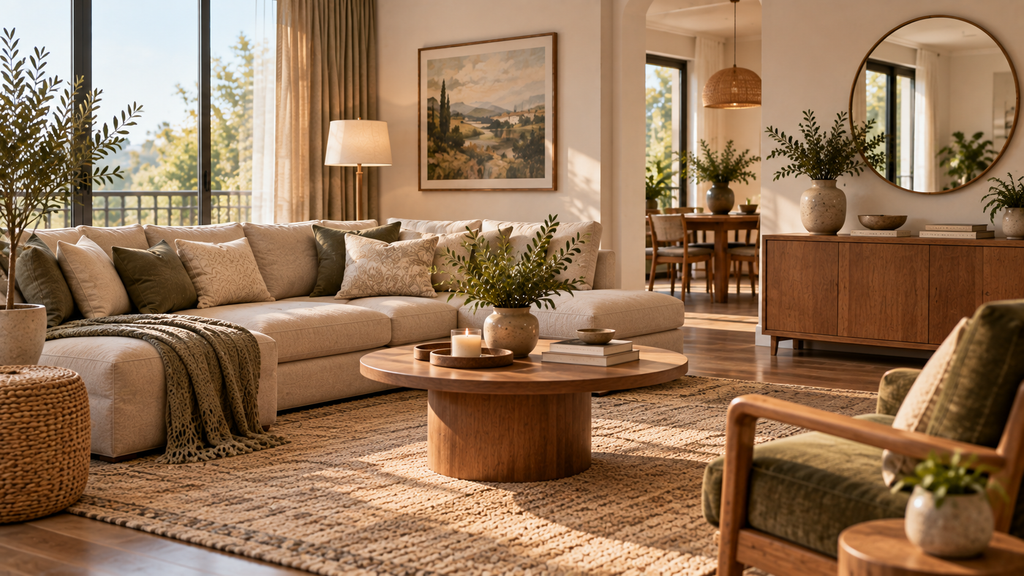
A consistent colour palette can make a room feel more organised even when it contains many different items. When furniture, curtains, cushions, rugs, and decorations work together, the room usually feels calmer.
You do not need to make everything the same colour. Instead, choose a few main shades and repeat them naturally around the room. Neutral colours can provide a simple base, while one or two accent colours can add personality.
- Creates visual harmony.
- Reduces visual noise.
- Helps décor feel connected.
- Makes rooms feel more intentional.
Look around your room and identify the colours you already use. When adding something new, consider whether its colour works with the existing palette. This can prevent random purchases from making the room feel visually busy.
12. Store Seasonal Items Separately
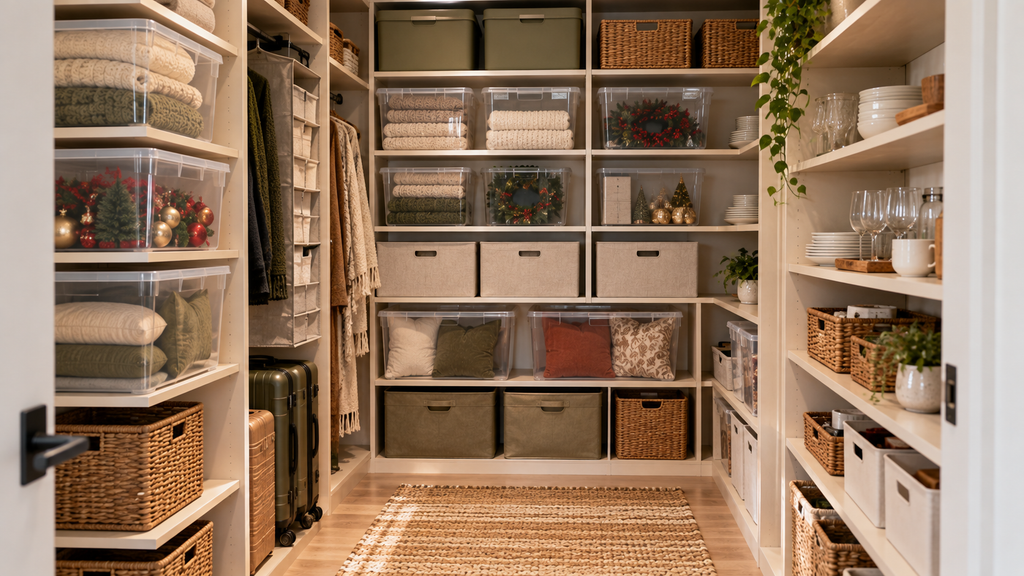
Seasonal belongings can take up a lot of space when they remain visible all year. Holiday decorations, winter blankets, seasonal cushions, and special tableware are useful, but they do not need to stay in everyday storage areas.
Keeping these items in labelled containers can free up valuable space and make your home easier to manage.
- Creates more everyday storage.
- Keeps rooms visually cleaner.
- Makes seasonal items easier to find.
- Prevents unnecessary clutter.
When the season changes, replace your current items with the appropriate seasonal pieces. Store the previous items carefully so they are ready for the next use. This simple rotation system can help your home feel fresh without requiring new decorations every season.
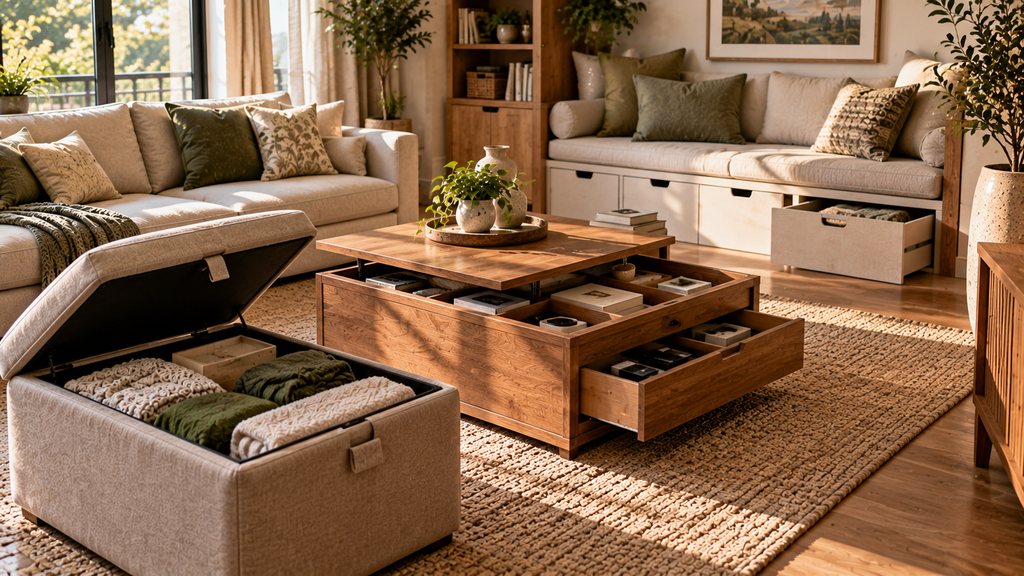
13. Choose Furniture With Hidden Storage
Furniture can do more than provide a place to sit, sleep, or work. Pieces with built-in storage can help hide clutter while keeping useful belongings close by.
Storage ottomans, beds with drawers, benches with compartments, and coffee tables with storage can be especially helpful in smaller homes. These pieces allow you to use existing space more efficiently.
- Hides everyday belongings.
- Saves floor space.
- Adds useful functionality.
- Reduces the need for extra cabinets.
Before buying additional storage furniture, look at what you already own. You may be able to replace one ordinary piece with a storage-friendly option when it is time for an upgrade. This keeps your home practical without adding unnecessary furniture.
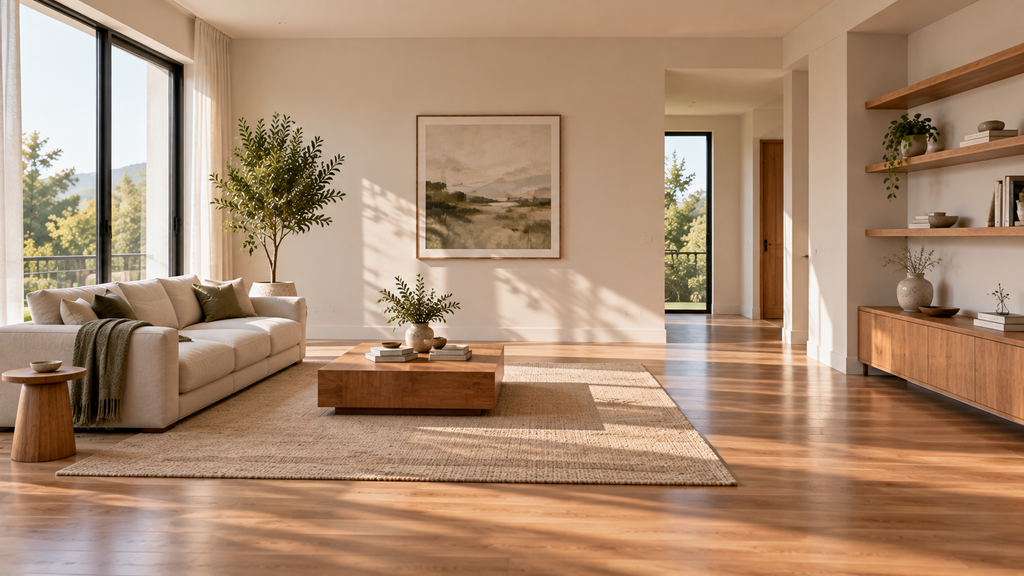
14. Leave Breathing Space
Empty space can be just as important as furniture and decorations. When every shelf, table, wall, and corner is filled, the room can feel crowded even if everything is technically organised.
Leaving some areas empty allows the eye to move comfortably around the room. It also gives your favourite furniture and decorative pieces more attention.
- Improves visual balance.
- Makes rooms feel calmer.
- Helps important pieces stand out.
- Reduces the feeling of overcrowding.
Look at your busiest surfaces and try removing one or two items. You do not always need to replace them with something else. Sometimes the empty space itself makes the room look more elegant and peaceful.
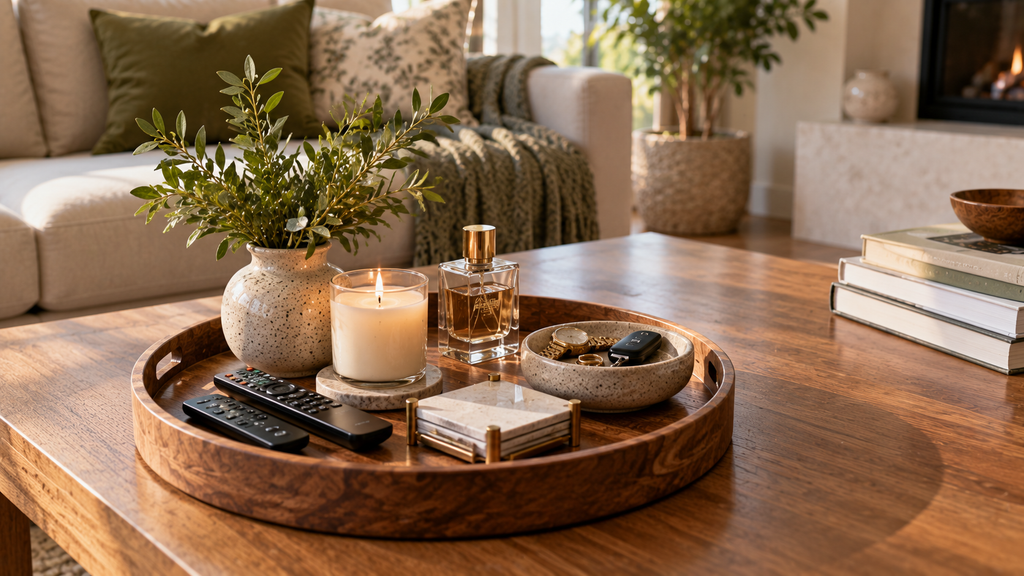
15. Use Trays for Small Items
Trays are a simple but useful way to organise small belongings. Instead of allowing several objects to spread across a table or counter, place them together inside one tray.
This creates a clear visual boundary and makes everyday items look more organised. Trays can be useful in almost every room.
- Keep remotes together.
- Organise perfume bottles.
- Group candles.
- Hold small accessories.
Choose a tray that fits your room’s style. A wooden tray can add warmth, while a simple ceramic or metal tray can create a cleaner appearance. The important thing is to avoid filling the tray with too many objects.
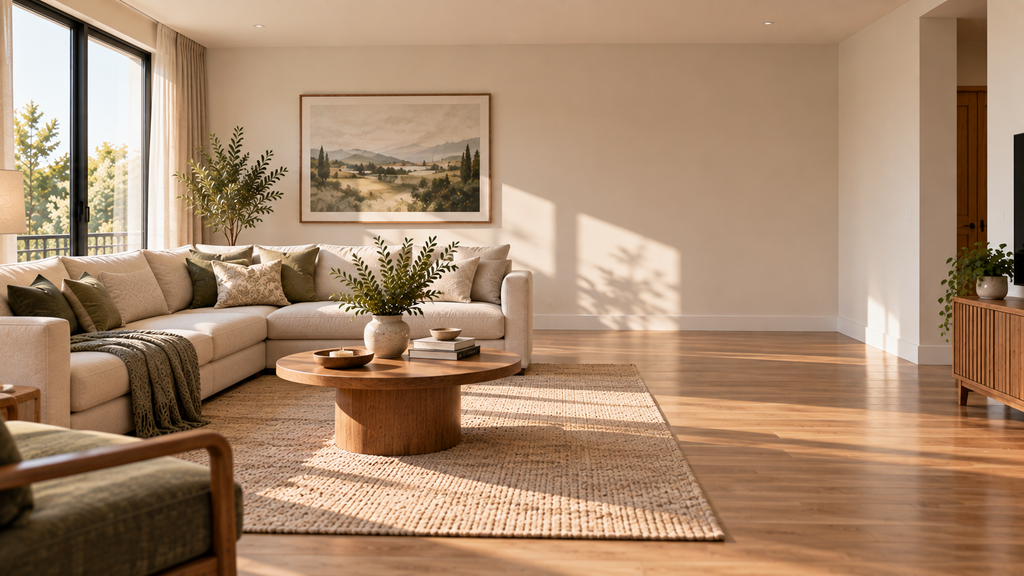
16. Do Not Fill Every Corner
An empty corner does not always need furniture or decoration. Many people feel that every open area needs something, but this can make a home feel crowded.
Allowing some corners to remain empty can make the room feel larger and give the existing furniture more space. It also makes cleaning and moving around easier.
- Improves room balance.
- Creates better movement.
- Makes the space feel more open.
- Prevents unnecessary purchases.
Before adding something to an empty corner, ask whether it serves a real purpose. If the answer is no, leave the area open. Sometimes the simplest arrangement can create the most comfortable and elegant result.
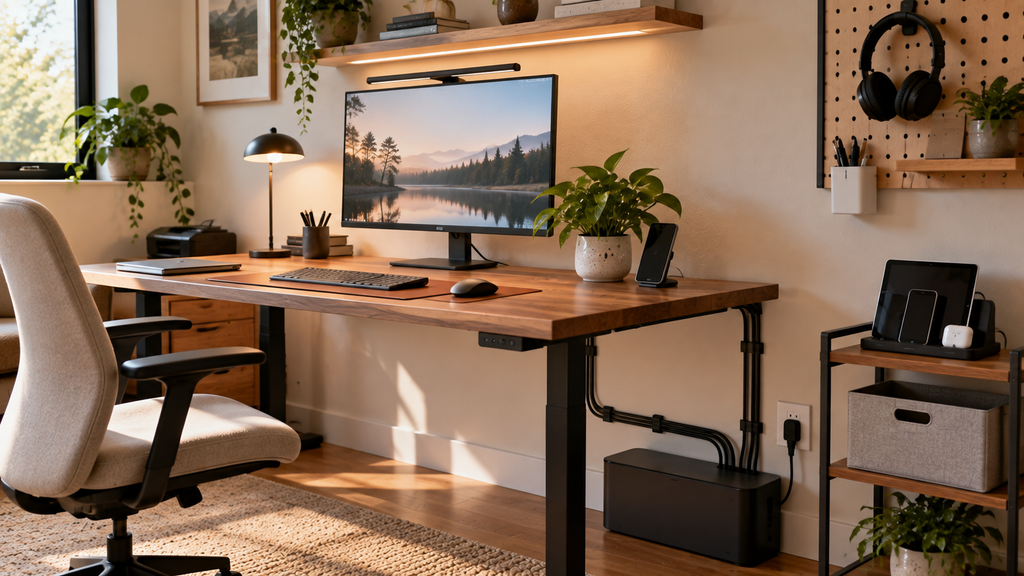
17. Hide Cables and Chargers
Electronic cables can quickly make a clean room look messy. Chargers, extension cords, and power cables often become tangled around desks, bedside tables, entertainment units, and kitchen counters.
Simple cable management can improve the appearance of these areas without requiring major changes.
- Use cable clips.
- Group similar cables together.
- Use a cord box.
- Create a dedicated charging area.
Try keeping chargers close to where you use them most. A small charging station can prevent cables from spreading across several surfaces. When cords are organised and hidden where possible, the entire room can look cleaner.
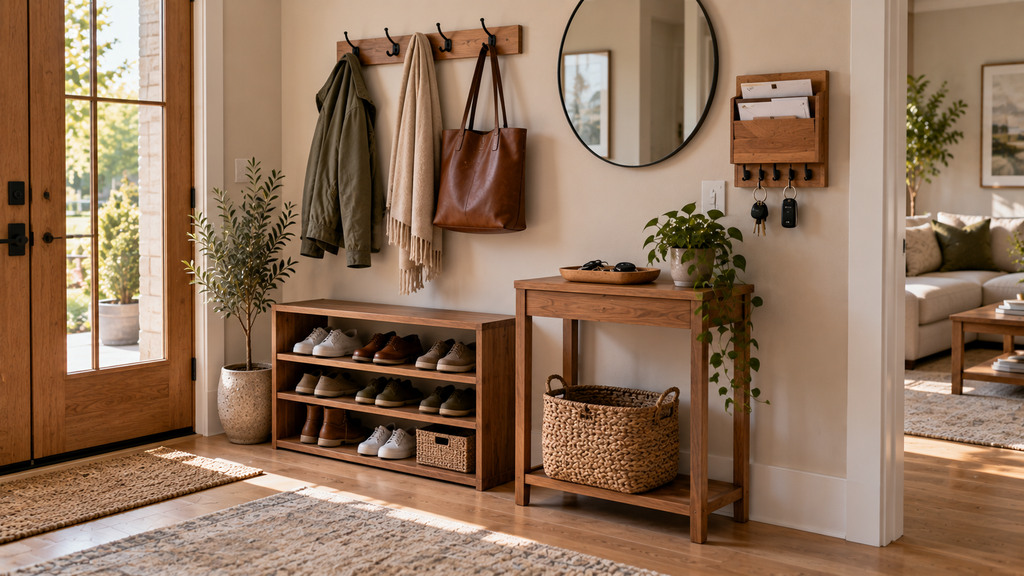
18. Keep the Entryway Functional
The entryway is often the first area to collect clutter because everyone uses it when leaving and entering the home. Shoes, bags, jackets, keys, and mail can quickly build up.
A simple storage system can keep this area under control while making your daily routine easier.
- Use a shoe rack.
- Add hooks for bags and jackets.
- Keep keys in one tray.
- Provide a small place for mail.
Avoid adding too much decoration to the entryway. Focus on useful items that support your routine. A clean and functional entrance can make the rest of your home feel more organised.
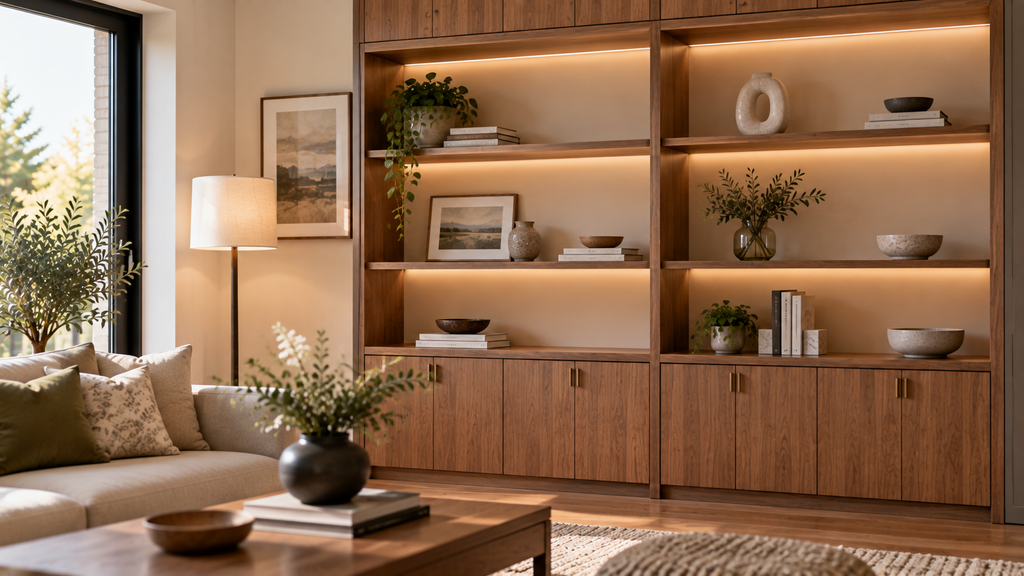
19. Display Collections Selectively
Collections can make your home feel personal, but displaying every item at the same time may create visual clutter. Instead, choose a few favourite pieces and rotate them when you want a different look.
This lets you enjoy your collection without filling every available surface.
- Highlights favourite pieces.
- Keeps displays cleaner.
- Reduces visual clutter.
- Makes decorating easier.
Store the remaining pieces safely and bring them out at another time. Changing the display occasionally can make your room feel refreshed without requiring new purchases. It also gives you a chance to appreciate different parts of your collection.
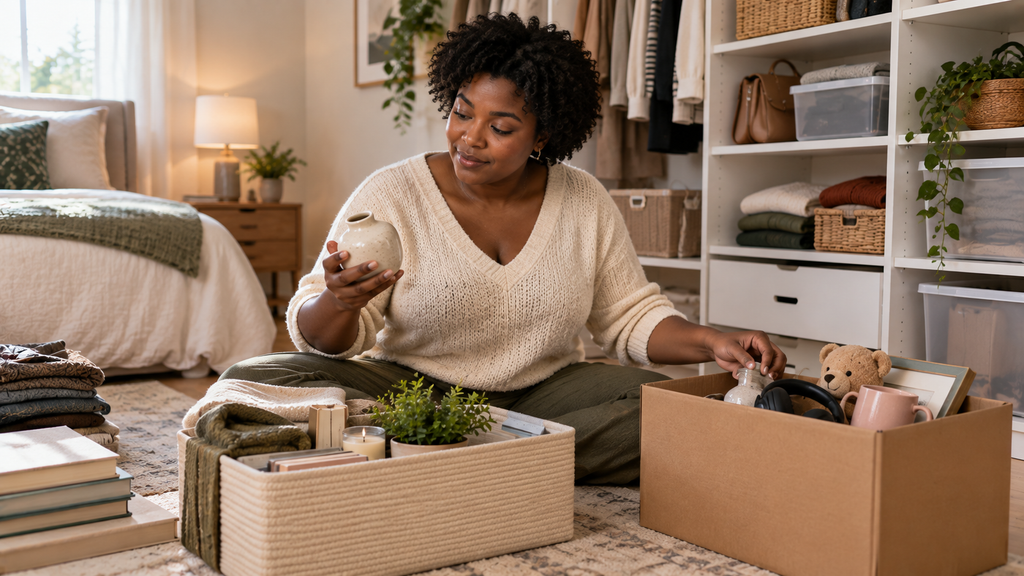
20. Edit Your Space Regularly
Even an organised home can become cluttered again. New purchases, gifts, seasonal items, and changing routines naturally bring new belongings into the house.
Regularly editing your space helps prevent this buildup. You do not need to perform a major decluttering project every week. A small review can be enough.
- Check one room at a time.
- Remove unused items.
- Review crowded storage.
- Adjust systems when needed.
Try reviewing one area every month. Ask yourself whether the space still works for your current lifestyle. If something is no longer useful or is always in the wrong place, your storage system may need a small change.
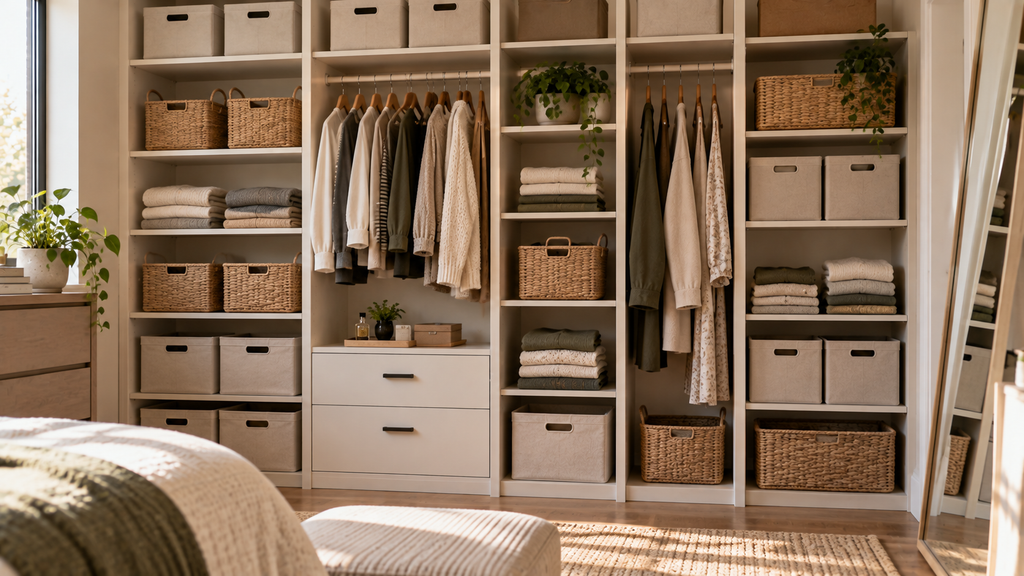
21. Use Matching Storage Containers
Storage containers are practical, but too many different colours and designs can make an organised area look busy. Matching or coordinating containers can make closets, shelves, and cabinets look more polished.
You do not need to purchase expensive matching sets. Similar colours, materials, or shapes can create a coordinated appearance.
- Creates visual consistency.
- Makes storage look cleaner.
- Reduces visual distractions.
- Helps organise similar items.
Choose one storage style for each room where possible. For example, you could use woven baskets in the living room and simple fabric bins in the bedroom. Consistency can make even a busy storage area feel more intentional.
22. Add Natural Elements
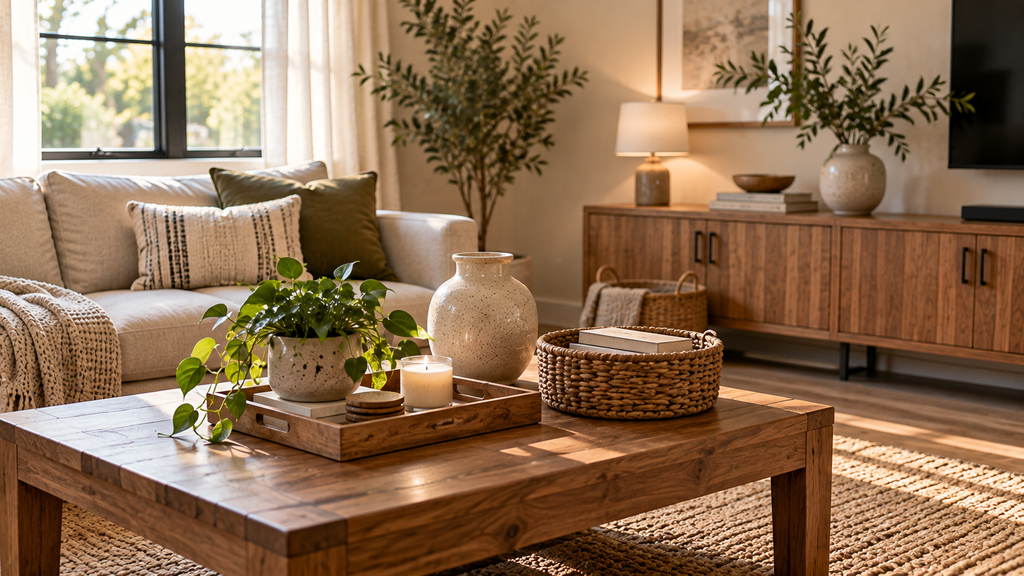
Natural elements can make a home feel warm and comfortable without requiring lots of decoration. Plants, wood, woven materials, stone, and ceramic pieces can add texture while keeping the room simple.
You do not need to fill the room with plants or natural accessories. A few carefully selected pieces can be enough.
- Add a small indoor plant.
- Use wooden trays.
- Choose woven baskets.
- Display a ceramic vase.
Natural textures can also help soften rooms with many hard surfaces, such as glass, metal, or polished furniture. Choose pieces that fit your existing style rather than adding natural items simply to fill empty space.
23. Create Functional Zones
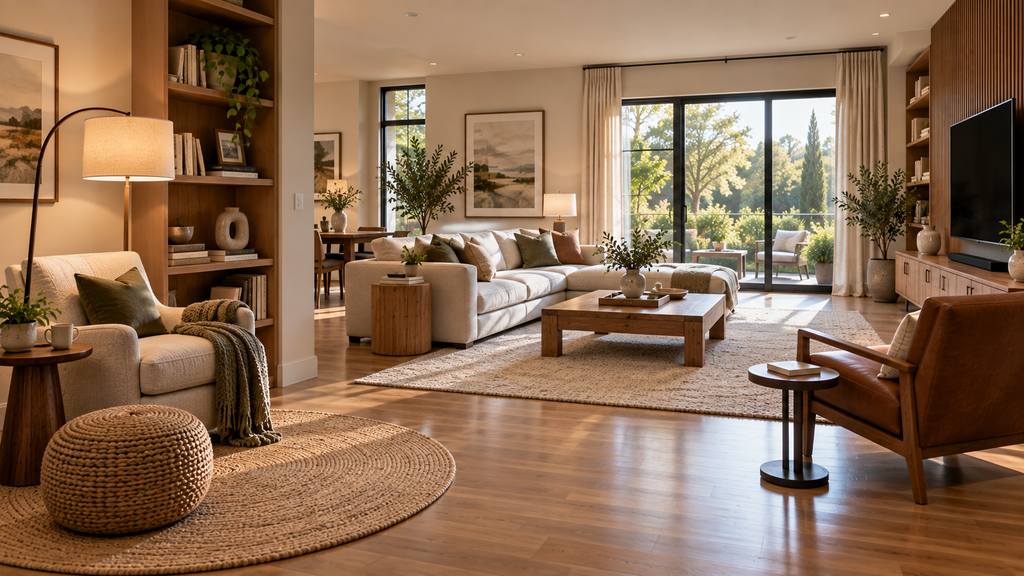
A room can become messy when several activities happen in the same area without any clear structure. Creating simple zones can make the room easier to use and easier to organise.
For example, a living room could have a reading area, conversation area, and entertainment area. Each zone can have the items needed for that activity.
- Keeps belongings together.
- Makes rooms easier to use.
- Improves organisation.
- Helps reduce clutter spreading.
Think about what you actually do in each room. Then arrange furniture and storage around those activities. A functional layout can make a room feel more organised without requiring additional furniture.
24. Limit Decorative Accessories
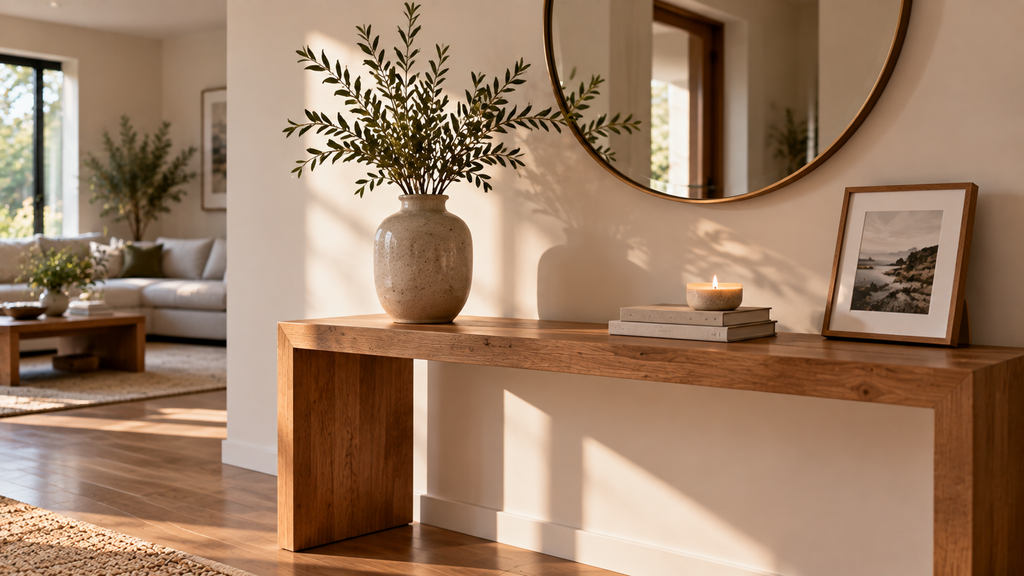
Decorative accessories can make a room feel personal, but too many small objects can quickly create visual clutter. Candles, vases, frames, ornaments, and small decorations do not all need to be displayed together.
Choose a few pieces that work well with the room and give them enough space to stand out.
- Keep meaningful decorations.
- Remove duplicate pieces.
- Avoid crowded surfaces.
- Give statement pieces room.
If a table or shelf feels too busy, remove a few items and look at it again. You may find that the remaining pieces have a stronger impact when they are not surrounded by too many other objects.
25. Use Closed Storage for Everyday Clutter
Some belongings are necessary but do not need to remain visible. Paperwork, chargers, toys, household supplies, and other everyday items can make a room look busy when they are left in open areas.
Closed storage provides a simple way to keep these items accessible while hiding them from view.
- Use drawers for small items.
- Keep paperwork in cabinets.
- Store toys in closed bins.
- Hide household supplies behind doors.
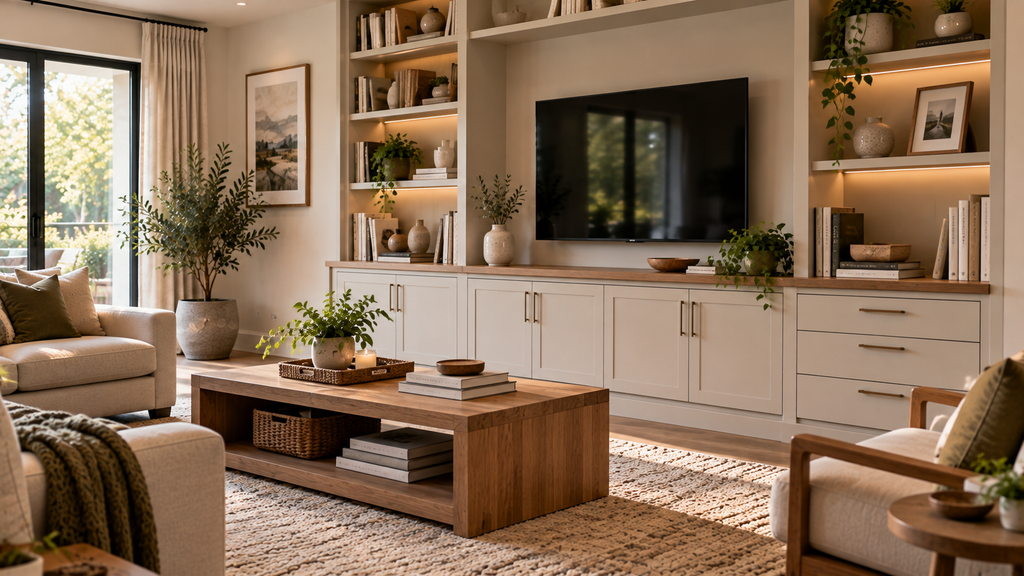
A combination of open and closed storage often works well. Use open areas for attractive objects that you want to display and closed storage for belongings that are useful but visually distracting.
26. Think Before Buying New Items
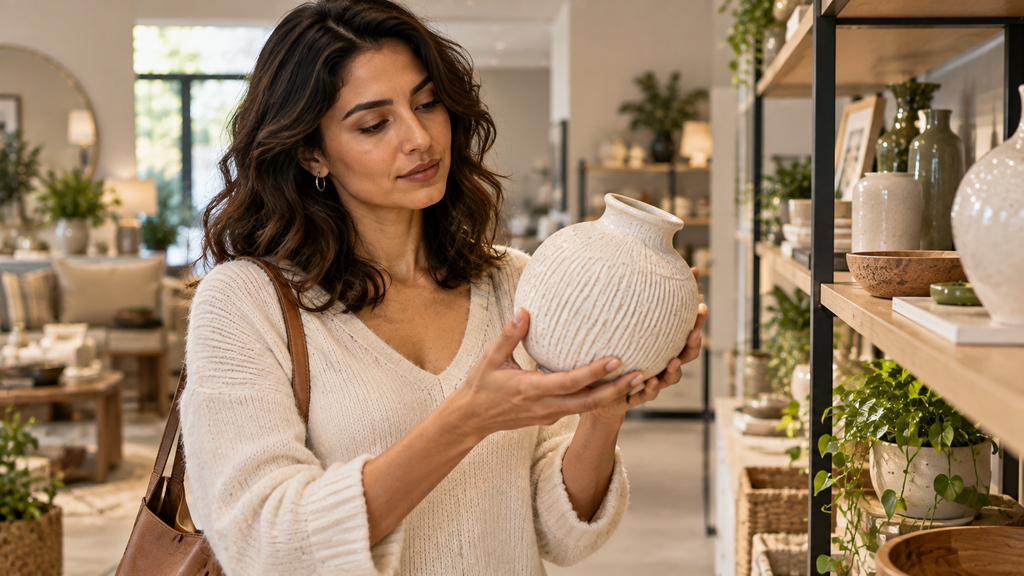
One of the easiest ways to keep a home clutter free is to stop unnecessary items from entering it. Before buying something new, think about whether you actually need it and where you will keep it.
This is especially helpful when shopping for décor because attractive items can be tempting even when you already have similar pieces.
- Ask whether you really need it.
- Decide where it will be stored.
- Check if you own something similar.
- Consider how often you will use it.
For non-essential purchases, waiting 24 hours can give you time to decide without making an impulse purchase. Thoughtful shopping can make future decluttering much easier.
27. Make Comfort Part of the Design
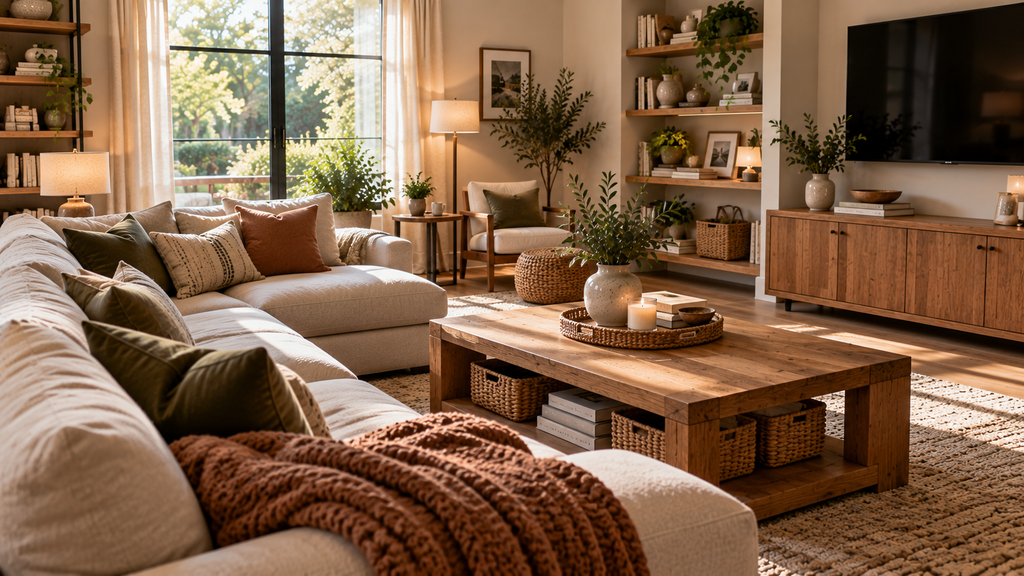
A beautiful home should also be comfortable. A room can look stylish in photographs but still feel difficult to use in everyday life. Good design should support the people who live there.
Choose furniture that feels comfortable, storage that is easy to access, and décor that reflects your personality. You should not have to constantly worry about damaging or disturbing every item in your home.
- Prioritise comfortable furniture.
- Keep useful belongings accessible.
- Choose practical storage.
- Add personal decorations.
The goal is not to create a perfect showroom. Your home should feel calm, welcoming, and easy to live in. When style and comfort work together, the space becomes much more enjoyable.
Frequently Asked Questions
How can I keep my home stylish and clutter free?
Start by removing unnecessary items, keeping surfaces clear, and giving everyday belongings a permanent home. Use attractive storage solutions and avoid filling every available space.
What is the easiest way to reduce clutter?
Start with one room instead of trying to organise the entire home. Clear visible surfaces first, then work through drawers, shelves, and storage areas.
How often should I declutter my home?
A small monthly review can help prevent clutter from building up. You can also do quick daily resets to keep commonly used areas organised.
Does a clutter free home look bigger?
A room often feels more open when unnecessary items are removed. Clear surfaces and open floor areas can create a greater sense of space.
What storage works well for small homes?
Vertical shelves, wall hooks, storage ottomans, beds with drawers, baskets, and closed cabinets can help you use available space more effectively.
How can I stop clutter from returning?
Give frequently used items permanent homes, avoid unnecessary purchases, and create a short daily reset routine. These habits can help prevent clutter from building again.
Can a clutter free home still feel cosy?
Yes. Comfortable furniture, plants, soft textiles, meaningful photographs, warm lighting, and natural materials can make a tidy home feel welcoming and comfortable.
Should every empty space be decorated?
No. Empty space can help a room feel calmer and more balanced. Not every wall, shelf, or corner needs furniture or decoration.
Wrap Up
Keeping your home stylish and clutter free is not about removing everything you own. It is about creating a space where the things you keep have a purpose and a place.
Start with one room and make small changes. Clear your surfaces, organise everyday belongings, choose useful storage, and regularly review what you no longer need.
You can also add personality through meaningful décor, natural elements, and comfortable furniture.
The goal is not perfection. A calm and beautiful home should feel organised, comfortable, personal, and easy to live in. Choose a few ideas from this list and start making small changes today.